
Are you ready to launch your own website but feel overwhelmed by the technical jargon? You’re not alone.
Many people feel confused when they first encounter terms like “web hosting. ” But don’t worry; understanding web hosting is simpler than it sounds. This guide will break it down for you, making sure you have a clear grasp of what web hosting is and why it’s crucial for your online presence.
You’ll also discover the different types of web hosting available, helping you make an informed decision tailored to your needs. Keep reading to unlock the secrets behind web hosting and take the first step towards a successful website!
Web Hosting Basics
Web hosting is a service that lets people put their websites online. Hosts have special computers called servers. These servers store website files. When someone types a website address, the host’s server sends the files to their computer. This way, they can see the website. Web hosting is like renting a space for your site on the internet.
Web hosting is very important for websites. Without it, no one can see your site. Good hosting makes sites load fast. It keeps them safe from hackers. Hosting helps sites work well all the time. It also makes sure many people can visit at once. Picking the right host is key for a successful site.
Shared Hosting
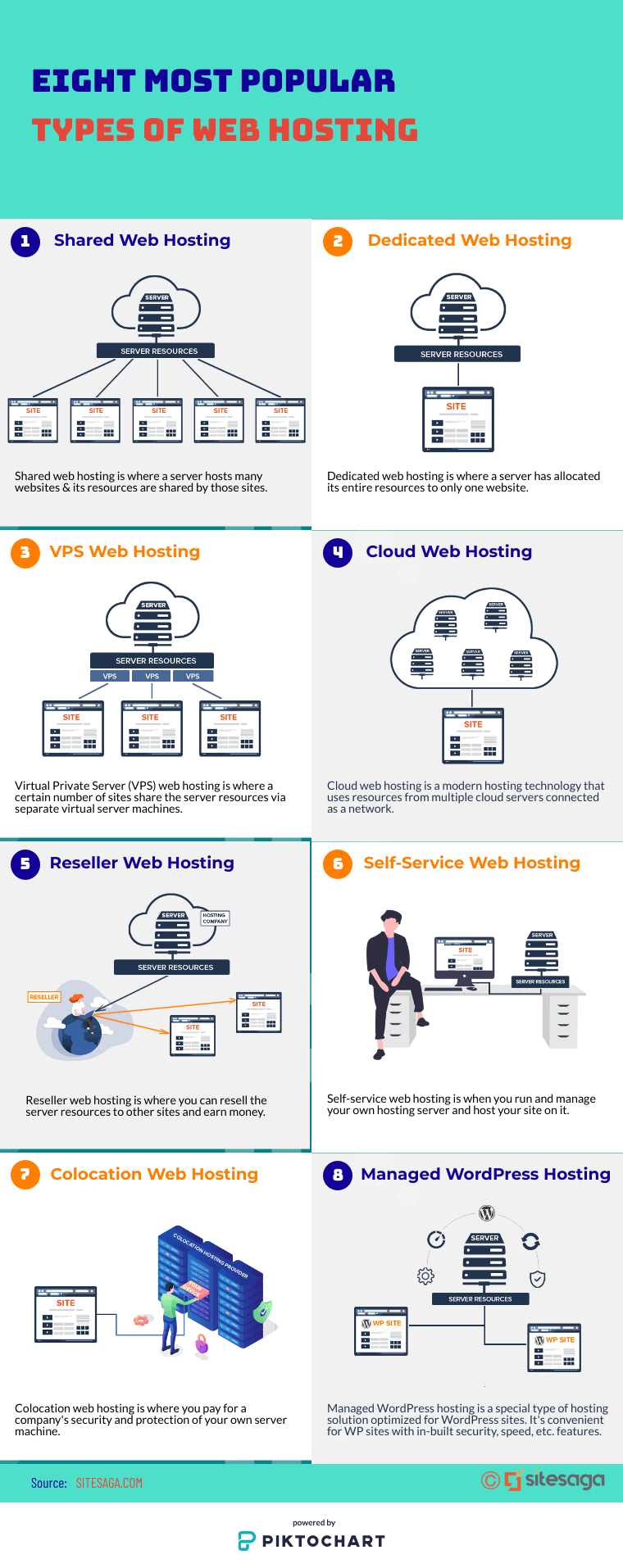
Shared hosting is a popular choice for beginners. Many users share the same server. This makes it affordable for small websites.
The main advantage is its low cost. Beginners find it easy to use. You don’t need technical skills.
But there are some drawbacks. Your site’s speed may be slow. This happens when many users are active. Security can also be a concern. If one site is attacked, others may be affected too.
Who benefits from shared hosting? Perfect for small businesses. Also good for personal blogs. People with low budgets find it useful.
It’s not for large websites. Those need more resources. If your site grows, consider upgrading. Shared hosting is a good start. But plan for future growth.
Vps Hosting
VPS Hosting offers a unique blend of features. It provides a dedicated portion of a server. This means more control and flexibility. You can install your own software. Customize settings to your needs. This is ideal for tech-savvy users.
The resources are not shared like in Shared Hosting. This results in better performance and security. You get your own space, not affected by others. It is more reliable for growing websites. VPS Hosting is suitable for websites with high traffic.
Comparison To Shared Hosting
Shared Hosting is like sharing a room with others. VPS Hosting is like having your own apartment. Shared Hosting is cheaper. But, it has limited resources. VPS Hosting costs more. Yet, it offers more resources and control. Shared Hosting is easier for beginners. VPS is better for those needing more power.

Credit: www.siteground.com
Dedicated Hosting
Dedicated hosting gives you your own server. This means no sharing with others. Your website gets all the power. It can handle a lot of traffic. This makes it very fast and reliable. High security is another benefit. Your data stays safe and private. You can also customize the server. Choose what works best for you. It’s a great option for big businesses.
Advantages
With dedicated hosting, you get full control of the server. It offers the best performance and flexibility. No other sites will slow yours down. You can install any software you need. The server can be set up just for you. This helps your website run smoothly. It’s like having your own computer.
Who Should Choose Dedicated Hosting?
Big companies should consider dedicated hosting. It’s also good for sites with heavy traffic. Online stores with many products will benefit. If you need special software, this is a good choice. Security-focused sites should think about it. It offers a safe environment for sensitive data. People who need top performance will like it. It’s perfect for busy websites.
Cloud Hosting
Cloud hosting is flexible. It can grow with your needs. If you need more space, it’s easy to add. You are not stuck with a fixed plan. Your website can handle more visitors. It can expand without trouble. This is great for businesses. They can adjust quickly.
Cloud hosting can save money. You pay for what you use. No need to spend on unused space. This makes it economical. Small businesses benefit from this. They can control expenses. It’s a smart choice for budget-conscious users. Avoid waste and manage costs well.
Credit: community.aws
Managed Hosting
Managed hosting offers many services. These services make life easier. They include security updates and data backups. Experts handle technical issues. This means less worry for you. They ensure your website runs smoothly. Software updates are also included. This keeps everything up-to-date. You get more time to focus on your business. This can be very helpful.
Businesses save time with managed hosting. Experts handle the tough parts. This means you can focus on growth. Costs are often predictable. This helps with budgeting. Performance is usually better, too. Websites load quickly. This keeps visitors happy. Security is strong with managed hosting. Your data stays safe. This is important for trust. Managed hosting is a good choice.
Choosing The Right Hosting
Understanding web hosting is essential for a strong online presence. It involves storing website files on servers. Various types include shared hosting, offering cost-effective solutions, and dedicated hosting, providing enhanced control and performance. Picking the right option depends on your website’s needs and budget.
Assessing Needs
Start by knowing your website’s size. Small sites need less space. Big sites need more. Think about the number of visitors. More visitors need more power. Consider what you want. Is your site for sharing ideas? Selling things? Hosting videos? Different needs mean different hosting.
Budget Considerations
Budget matters. Hosting costs vary. Shared hosting is usually cheaper. Dedicated hosting costs more. Plan your spending. Some hosts offer deals. Others charge for extra features. Look for good value. Cheap hosting may lack support. Spend wisely for your needs.
Credit: www.sitesaga.com
Frequently Asked Questions
What Are The Different Types Of Web Hosting?
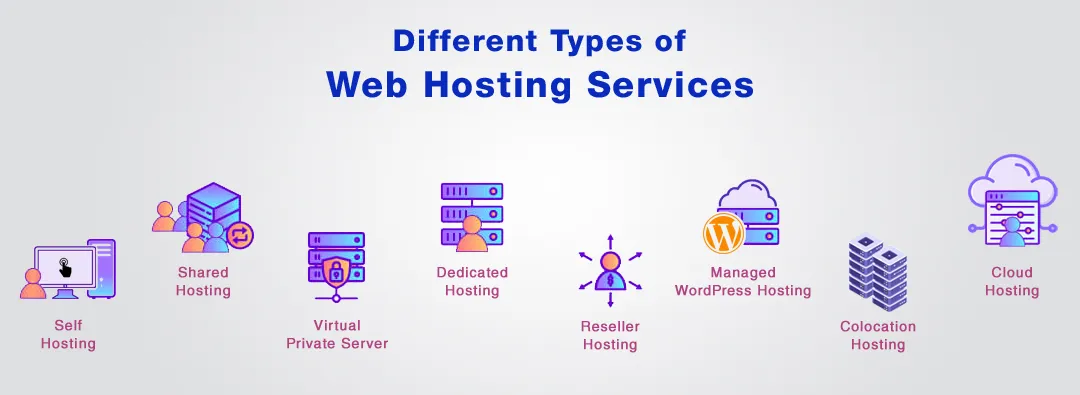
Web hosting types include shared, VPS, dedicated, cloud, reseller, and managed hosting. Shared hosting is cost-effective for beginners. VPS offers more control. Dedicated hosting provides an entire server. Cloud hosting scales resources easily. Reseller hosting lets you sell hosting services.
Managed hosting handles all technical aspects for you.
What Is Meant By Web Hosting?
Web hosting stores website files on servers, allowing online access. It ensures fast loading and reliable performance. Hosting providers offer various plans, including shared, VPS, and dedicated hosting. Choosing the right hosting impacts your site’s speed, security, and scalability. Quality web hosting enhances user experience and boosts SEO rankings.
How Many Web Hosting Are There?
Web hosting includes shared, VPS, dedicated, cloud, reseller, and WordPress hosting types. Each offers unique features and benefits.
What Is Basic Web Hosting?
Basic web hosting provides space on a server for your website. It stores and delivers your site’s files online. Ideal for small sites, it includes essential features like storage, bandwidth, and email accounts. Cost-effective, it supports personal blogs and small business websites.
Conclusion
Choosing the right web hosting is essential. It affects your website’s performance. Different types cater to various needs. Shared hosting is budget-friendly. Dedicated hosting offers more control. VPS gives flexibility. Cloud hosting scales resources easily. Each type has its benefits.
Consider your website’s goals and traffic. Pick a host that matches your requirements. Check customer support and security features. Reliable hosting enhances user experience. A good choice supports growth. Make an informed decision. Your website deserves the best hosting.


