
Imagine having a powerful website without the need for expensive hardware or complicated setups. That’s what virtual web hosting offers you.
It’s a cost-effective and efficient solution, perfect for anyone looking to establish a presence online. But what exactly is virtual web hosting, and how can it benefit you? By understanding this concept, you can unlock a world of possibilities for your website.
Dive into this article to discover how virtual web hosting works, why it’s a game-changer, and how it can simplify your digital life. Get ready to transform the way you think about hosting, as we explore everything you need to know to make an informed decision.
Virtual Web Hosting Basics
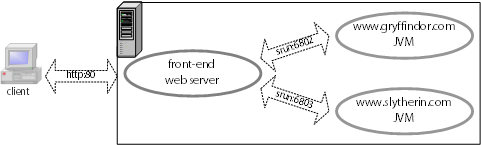
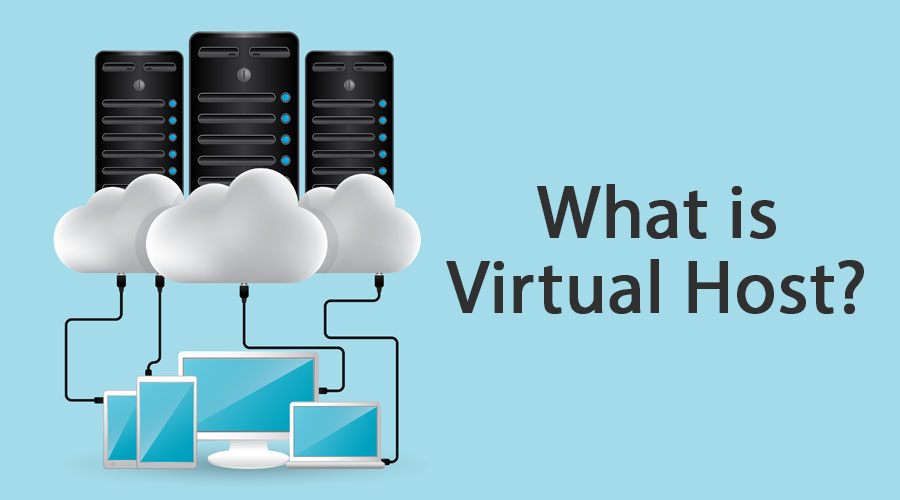
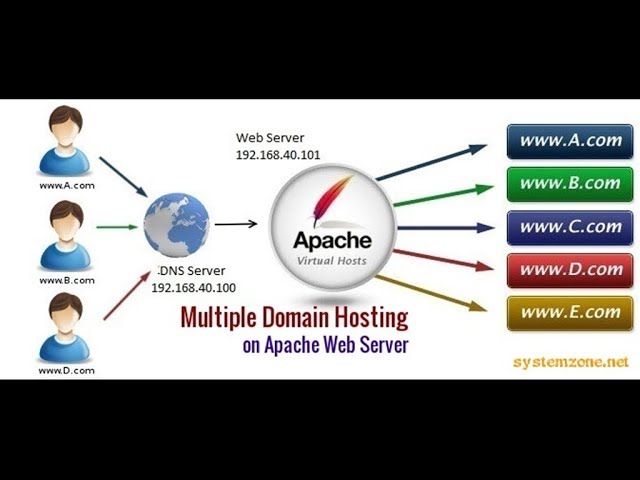
Virtual web hosting lets many websites share one physical server. Each site has its own space and resources like memory and disk space. This is a cost-effective solution. It saves money by sharing server costs among many users. Users get their own domain names. They can manage their websites individually.
The server divides its resources among multiple websites. Each website gets a part of the server’s power. This includes CPU, RAM, and storage. When someone visits a site, the server sends data to their browser. The process happens quickly. Users don’t see the sharing. Each site runs like it has its own server. This way, many sites operate smoothly together.
Types Of Virtual Web Hosting
Shared hosting is the most basic type of web hosting. Many websites use the same server. This means that they share the resources like CPU and memory. It is cost-effective and good for beginners. But it can be slow if too many websites are on the server. You get limited control over the server settings. It is great for small websites.
VPS stands for Virtual Private Server. It is a step up from shared hosting. You get your own virtual space on a server. This means more control and better performance. It is more expensive than shared hosting. You can change settings and install software. It is good for growing websites.
Cloud hosting is flexible and scalable. Websites are hosted on a network of servers. This allows for better performance and uptime. It is cost-effective as you pay for what you use. It can handle traffic spikes well. It is ideal for sites with high traffic. It is suitable for large businesses.
Benefits Of Virtual Web Hosting
Virtual web hosting saves money. You share server space. This reduces costs. No need for extra hardware. Businesses find it affordable. Start-ups love it.
It grows with you. As needs grow, hosting grows too. Easy to add more space. No need to switch servers. Perfect for growing businesses.
Choose your settings. Customize your server. Adjust as needed. You get control. Change plans easily. Fits different needs.
Credit: www.caucho.com
Choosing The Right Virtual Web Host
Know what your website needs. Traffic, storage, and bandwidth are key. Small websites need less. Big ones need more. Think about your future growth too. Some hosts offer scalable plans. This means you can upgrade easily. Pick a host that matches your needs. This saves money and time.
Make a list of features you want. SSL certificates and domain names are important. Check if the host offers them. Look at control panel options too. Compare prices of different hosts. Some offer discounts for long-term plans. Always read the fine print. Some deals hide extra costs.
Good customer support is a must. Problems can happen anytime. Look for hosts with 24/7 support. Live chat and phone support are helpful. Some hosts offer help centers or FAQs. These can solve many issues. Customer reviews can show real experiences. Choose a host with positive feedback.
Common Challenges
Virtual web hosting offers shared resources for websites on a single server. Users face challenges like limited control and potential security risks. Managing bandwidth and storage efficiently becomes crucial to ensure optimal performance and reliability.
Security Concerns
Virtual web hosting can have security risks. Shared servers might expose data. Hackers can target vulnerabilities. Passwords and data must be safe. Regular updates are crucial. Firewalls help protect sites. Secure Socket Layer (SSL) is important. It encrypts data between servers. Backup systems can prevent data loss. Hosting companies should offer support. Users need to be aware of threats.
Performance Issues
Performance can be a challenge in virtual hosting. Websites may load slowly. Many sites share one server. This can cause slow speeds. Traffic spikes can affect performance. More visitors can slow sites. Resources must be well-managed. Efficient servers help improve speed. Good hosting can boost performance. Monitoring tools can check site speed. Fast websites keep users happy.
Credit: www.educba.com
Future Of Virtual Web Hosting
Virtual web hosting is growing fast. New technology helps it. Cloud computing makes it more powerful. It allows many websites on one server. This saves space and money. Security is getting better too. Hackers find it hard to break in. Artificial Intelligence helps with managing servers. It makes work easy. The future looks bright.
More people use virtual web hosting today. Businesses like it. It’s cheaper and flexible. They can grow without extra cost. Small companies love this. They get big benefits. Demand for this service is high. Many companies offer it now. Prices are coming down. Quality is improving. The market is growing fast.
Credit: www.youtube.com
Frequently Asked Questions
What Is Virtual Hosting In Web?
Virtual hosting allows multiple websites to share a single server. It optimizes resources and reduces hosting costs. Each site has its own domain name, despite sharing the same server. Virtual hosting is ideal for small to medium-sized websites.
What Are The Three Types Of Web Hosting?
The three types of web hosting are shared hosting, VPS hosting, and dedicated hosting. Shared hosting is cost-effective for beginners. VPS offers more resources and control. Dedicated hosting provides exclusive server access for high-traffic sites. Choose based on your needs and budget.
What Is The Difference Between A Virtual Host And A Domain?
A virtual host allows multiple websites to share a single server. A domain is a unique web address. Virtual hosts manage multiple sites on one server, while domains identify and locate websites online.
What Is Web Hosting And How Does It Work?
Web hosting stores your website files on a server, making them accessible online. Hosting providers manage these servers, ensuring your site runs smoothly and is available 24/7. You choose a hosting plan based on your needs, such as shared, VPS, or dedicated hosting.
Conclusion
Virtual web hosting is a practical choice for many users. It offers flexibility and cost-effectiveness. Small businesses and individuals can benefit greatly. Shared resources help keep costs down. Easy to manage, even with limited technical skills. Many providers offer excellent support.
Users can focus on their website content. No need to worry about hardware maintenance. This hosting type suits different needs. From personal blogs to small e-commerce sites. Consider virtual web hosting for your next project. It might be the perfect fit for you.


