
Have you ever wondered what makes your favorite websites accessible anytime you want to visit them? The answer lies in web hosting services.
But what exactly does “web hosting service” mean, and why should you care? Whether you’re planning to launch your own website or simply want to understand the backbone of the internet, knowing about web hosting is crucial. Imagine your website as a house and web hosting as the land on which it stands.
Without it, your site wouldn’t exist online! By understanding web hosting, you can make informed decisions that affect your site’s speed, security, and performance. Keep reading to uncover the secrets of web hosting that could transform how you think about your online presence.
Credit: petalhost.com
Web Hosting Basics
Web hosting gives space to websites on the internet. Websites need this space to be seen by people. Without hosting, sites can’t be online. Think of it like renting a room for your site. Hosting companies provide these rooms.
Hosting keeps websites running all the time. It makes sure sites don’t go offline. If a hosting server fails, websites can disappear. Good hosting means quick loading. Slow hosting can make sites lag and users leave. So, choosing the right hosting is key.
Types Of Web Hosting
Shared hosting is like sharing a big house. Many websites live on the same server. Each site gets a piece of the space. It’s cheap but can be slow. Good for small sites with little traffic. Not ideal for busy sites.
Dedicated hosting gives you a whole server. No sharing with others. Great for big websites with lots of visitors. It’s faster and more secure. Costs more than shared hosting. You have full control over the server.
VPS hosting stands for Virtual Private Server. It’s like having your own apartment. More control than shared hosting. Less expensive than dedicated hosting. Good balance between price and performance. Suitable for growing websites.
Cloud hosting uses many servers. Your website can grow easily. Very reliable and scalable. If one server fails, another takes over. Ideal for businesses needing flexibility. Can handle lots of traffic without slowing down.
Key Features To Consider
Bandwidth shows how much data moves from your site. More bandwidth means faster load times. Storage is where your website data lives. Big sites need more storage. Small sites need less. Check both when choosing hosting.
Uptime means your site is online and working. Higher uptime is better. Look for 99.9% uptime. This means your site is almost always available. Downtime can hurt your site visitors.
Security keeps your site safe from hackers. Good hosts offer SSL certificates. They protect data between users and sites. Firewalls add extra protection. Check if the host has regular backups. These help recover data if lost.
Credit: www.free-online-training-courses.com
Popular Web Hosting Providers
Web hosting providers offer different services and features. Top providers include Bluehost, HostGator, and SiteGround. Each has unique plans and prices. Bluehost is known for its easy setup. HostGator offers great customer support. SiteGround is famous for its fast speed and security.
Choosing the right provider depends on your needs. Price is often a key factor. Some need more storage, while others need more bandwidth. It’s important to check the customer reviews. These reviews show real user experiences.
Many factors affect your choice of web hosting. Budget is important for many. Some plans cost more than others. Think about the features you need. Do you want 24/7 support? Maybe you need a site that loads fast. Reliable uptime is also crucial. Always consider your specific needs.
Cost Implications
Different hosts offer various pricing structures. Some plans are monthly. Others are yearly. It’s important to compare these. Cheaper plans might have fewer features. More expensive ones might include extra services. Always check what you get for your money. Look for discounts or promotions too.
Additional costs can add up. Some hosts charge for extra storage. Others charge for better security. Check if there are setup fees. Sometimes, moving your site has a cost too. These costs can surprise you later. Be aware of them from the start.

Credit: www.bluehost.com
Choosing The Right Plan
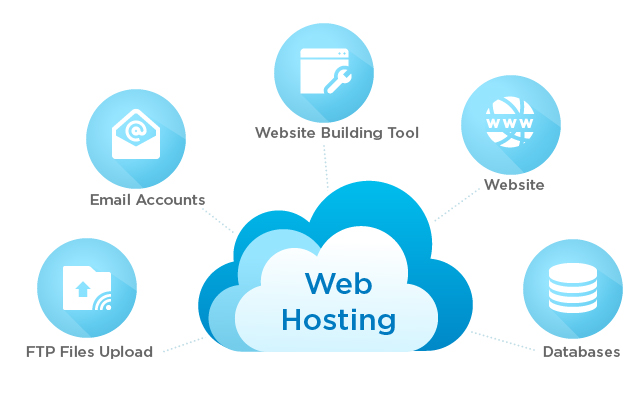
Before picking a web hosting plan, check what you need. Think about how much storage you will need. Will you have many pictures or videos? If yes, more storage is good. Also, think about the traffic your site might get. If many people visit, you need a plan with more bandwidth. This way, your site stays fast. Check if you need extra features. Like email accounts or databases. Choose a plan that fits your needs best.
As your website grows, it might need more resources. A good hosting plan lets you upgrade easily. Look for plans with flexible options. This way, you can add more storage or bandwidth later. It helps your site run smoothly even with more visitors. Also, check if they have good customer support. In case you need help. Planning for growth keeps your site ready for new challenges.
Common Challenges
Understanding web hosting involves overcoming several hurdles. Choosing the right service can be confusing due to numerous options. Ensuring reliable uptime, security, and scalability also presents significant challenges for users.
Downtime Issues
Web hosting can face downtime problems. This means your website can go offline. People can’t access it. This can make visitors unhappy. They might leave your site. Downtime can happen due to server issues. It can also be caused by maintenance. Regular downtime can harm your site’s reputation. It’s important to choose a reliable hosting service. Look for one with high uptime.
Security Concerns
Websites can face security threats. Hackers can attack your site. They can steal data. This can be harmful. Your site needs strong protection. Hosting services should offer security features. They must provide SSL certificates. Firewalls are important too. Regular updates help keep sites safe. Choose a hosting service that prioritizes security.
Future Of Web Hosting
Web hosting is changing fast. New trends make websites better. Cloud hosting is now popular. It helps keep data safe and easy to reach. Many sites use cloud servers. This is because they offer better speed. Security is also improving. Hosts use better tools to stop attacks. Eco-friendly hosting is another trend. It uses less energy. This helps the planet. More people choose green hosts. The speed of websites is also a focus. Faster sites make users happy. Hosts use new tech for quicker loading times.
AI is helping web hosting. It makes jobs easier. Automation saves time. Hosts use AI to fix problems fast. Bots help with customer support. They answer questions quickly. AI tools can watch site traffic. They show what users do. This helps improve sites. AI also boosts security. It finds risks early. Data centers use automation too. They work better with less human help. This cuts costs. AI and automation make hosting smart and efficient.
Frequently Asked Questions
What Does A Web Hosting Service Do?
A web hosting service stores website files and data on servers. It ensures websites are accessible online 24/7. Hosting provides necessary resources like bandwidth and storage space. Various types include shared, VPS, and dedicated hosting. Choosing the right service impacts website performance and reliability.
What Is An Example Of A Web Hosting Service?
An example of a web hosting service is Bluehost. It provides domain registration, website hosting, and customer support. Bluehost is popular for its user-friendly interface and reliable performance. It’s ideal for beginners and businesses seeking affordable hosting solutions. The service also offers WordPress integration and scalable options.
What Are The 3 Types Of Web Hosting?
The three types of web hosting are shared hosting, VPS hosting, and dedicated hosting. Shared hosting offers cost-effective solutions for beginners. VPS hosting provides more control and resources. Dedicated hosting ensures maximum performance by dedicating a server to a single user.
Each type caters to different needs and budgets.
How Much Does Website Hosting Cost?
Website hosting costs vary, starting at $3 to $10 monthly for basic shared hosting. Prices increase for VPS, dedicated, or cloud hosting options. Consider factors like bandwidth, storage, and support when choosing a plan. Costs may rise with additional features or higher-tier services.
Conclusion
Choosing the right web hosting service is crucial. It impacts your website’s speed and reliability. A good host ensures your site loads quickly and stays online. This affects user experience and search engine rankings. Different types of hosting offer various benefits.
Shared hosting is affordable for beginners. VPS and dedicated hosting provide more resources. Consider your budget and needs carefully. The right choice supports your online growth. Make sure to research and compare options. Your decision will shape your site’s future success.
Remember, a reliable host is a valuable partner.


