
Have you ever wondered what happens when you type a website address into your browser? You might be surprised to learn that the website you see is actually stored on a special computer called a server.
This process is known as web hosting. But what do you mean by web hosting, and why should you care? Understanding web hosting is crucial if you’re looking to create your own website or just want to know how the internet works behind the scenes.
Imagine having your own little corner of the internet where you can share your ideas, showcase your business, or even start a blog. With the right knowledge about web hosting, you’ll be empowered to make smart choices that ensure your website runs smoothly and reaches your audience effectively. Ready to dive in and discover how web hosting can unlock the potential of your online presence? Let’s get started!
Types Of Web Hosting
In shared hosting, many websites use one server. This makes it cheaper. It’s like sharing a big cake with friends. You get a small piece. It’s great for small websites. But if others use too much, your site slows down. It’s easy to set up. No need for special skills. Good for beginners.
VPS hosting gives more control than shared hosting. Each site gets its own space. It’s like having your own room in a house. You can do more things. It’s faster and more stable. Costs more than shared hosting. But you get more power. Best for growing websites.
Dedicated hosting means one server for one website. No sharing with others. It’s like having your own house. Perfect for big websites. You get full control. It’s very fast and secure. Costs a lot more. But you get the best performance. Not needed for small sites.
Cloud hosting uses many servers together. It’s like having many helpers. If one server fails, others help. This makes it very reliable. You pay for what you use. Great for websites that change a lot. It’s fast and flexible. But can be tricky for beginners.
Managed WordPress hosting is special for WordPress sites. Experts handle everything for you. It’s like having a helper for your website. They keep it safe and fast. You focus on your content. It’s more expensive than regular hosting. But it saves time and effort.
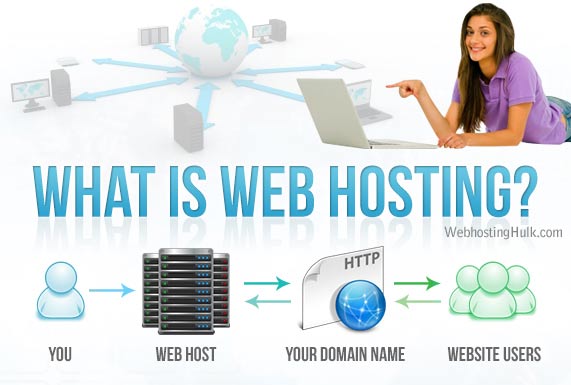
Credit: maverickpublishing.net
Key Features To Consider
Bandwidth decides how much data moves from your site. More visitors need more bandwidth. Storage is where all your files live. Bigger sites need more storage. Choose wisely for your needs.
Uptime means your site stays online. Good hosts promise high uptime. Look for 99.9% uptime or better. This means your site is almost always up.
Security keeps your site safe from harm. Look for SSL certificates. These protect your visitors’ data. Firewalls and malware scans are also important.
Good support helps fix issues fast. Check if support is 24/7. Live chat and phone support are useful. Email support can take longer.
Scalability means your site can grow. Can you upgrade easily? Make sure your host offers flexible plans. This helps as your site gets bigger.
Benefits Of Web Hosting
Web hosting makes your site run fast. Visitors like fast sites. They stay longer. This can lead to more engagement. Fast sites also help with SEO. Search engines prefer quick loading sites.
Web hosting offers better security. It protects your site from hackers. Hosting companies use strong security tools. They keep your data safe. This is important for trust and safety.
Hosting allows professional email accounts. These emails look serious. They match your domain name. It makes your business look good. Customers trust professional emails more.
Hosting helps with SEO. It improves site speed. Search engines rank fast sites higher. Hosting also offers tools for SEO. This helps your site get noticed online.
Credit: www.free-online-training-courses.com
How To Choose A Web Hosting Provider
Understand what your website needs. Do you need lots of space? Is your site simple or complex? Think about your future plans. Will your site grow fast? Knowing your needs helps a lot.
Look at different pricing plans. Some are cheap, others expensive. Check what each plan offers. Does it fit your budget? Sometimes, paying a bit more is worth it. Don’t choose the cheapest without checking.
Customer reviews tell a lot. Read what others say about the hosting. Are they happy? Look for common complaints. Good reviews mean the provider is likely reliable. Bad reviews? Maybe look elsewhere.
Customer support is important. Try contacting them before buying. See how fast they reply. Are they friendly and helpful? Good support can save you from trouble. Choose a provider with strong support.
Common Web Hosting Mistakes
Many people choose web hosting only by price. This can be a big mistake. Cheap hosting might not offer good support or features. The website might be slow or crash often. Paying a bit more can offer better reliability and service.
Some web hosts can’t grow with your site. If your site gets popular, it needs more space. Without scalability, your site might stop working. It’s smart to pick a host that can grow with your needs.
Security is very important for websites. Some hosts do not offer good security. This can make sites easy targets for hackers. Always check what security features the host offers. Strong security can keep your site safe.

Credit: www.layerhost.com
Future Trends In Web Hosting
More companies are choosing green hosting. This means they use less energy. They also use clean energy. This is good for the earth. It helps reduce pollution. Many people want to help the planet. Green hosting is a way to do that. It is becoming more popular. Companies save money too. Less energy means lower bills. Everyone wins with green hosting.
AI integration in web hosting is growing. AI can make websites faster. It can also help solve problems. This makes websites work better. AI can help find bad things on websites. It keeps sites safe. Many companies use AI for these reasons. They want their websites to be the best. AI integration is a smart choice.
Many are using the cloud for web hosting now. The cloud is like a big storage place online. It can hold a lot of data. This makes websites load faster. It also means websites can grow bigger. More people can visit at once. Cloud hosting is flexible. It can change as needs change. This is why it is so popular today.
Frequently Asked Questions
What Is Web Hosting In Simple Words?
Web hosting stores your website’s files on a server, making it accessible online. It provides space and resources for your site. Reliable hosting ensures your website loads quickly and stays secure. Choose a hosting plan based on your site’s needs for optimal performance.
Can I Run My Website Without Hosting?
No, you cannot run a website without hosting. Hosting provides the server space for your website’s files. It ensures your site is accessible online. Without hosting, your website cannot be viewed on the internet. Consider using web hosting services to make your site live.
What Is The Difference Between A Website And Web Hosting?
A website is a collection of web pages providing content. Web hosting is a service that stores website files on servers, making them accessible online. Websites need web hosting to be visible on the internet. Both are essential for an online presence.
What Is The Purpose Of A Web Host?
A web host stores website files and data on servers, making them accessible online. It ensures site reliability, speed, and security. Web hosting services vary, offering shared, VPS, dedicated, and cloud hosting, catering to different needs and budgets. Choosing the right host enhances user experience and site performance.
Conclusion
Understanding web hosting is crucial for your online presence. It serves as the foundation for your website. Choosing the right host impacts your site’s performance. Speed, security, and support are key factors. A reliable host ensures your site runs smoothly.
Consider your needs and budget. Explore different hosting options. Shared, VPS, and dedicated hosting each offer benefits. Your choice affects user experience. Ensure your website reaches its audience effectively. Good hosting supports growth and reliability. Start with what fits your current needs.
Upgrade as your site grows. Remember, a strong web host sets the stage for success.


