
Are you ready to uncover the mystery of web hosting servers? Imagine you’re about to launch a new website, filled with exciting content and potential.
But where does this digital masterpiece live? That’s where a web hosting server comes into play. It’s the essential foundation for your online presence, yet many find it confusing. You’re not alone if you’ve ever wondered, “What exactly is a web hosting server?
” We’ll break it down for you in simple terms. By the end, you’ll know exactly what it is, why it matters, and how it can impact your website’s success. Ready to dive in? Let’s make sense of web hosting servers together.
Credit: www.educba.com
Types Of Web Hosting
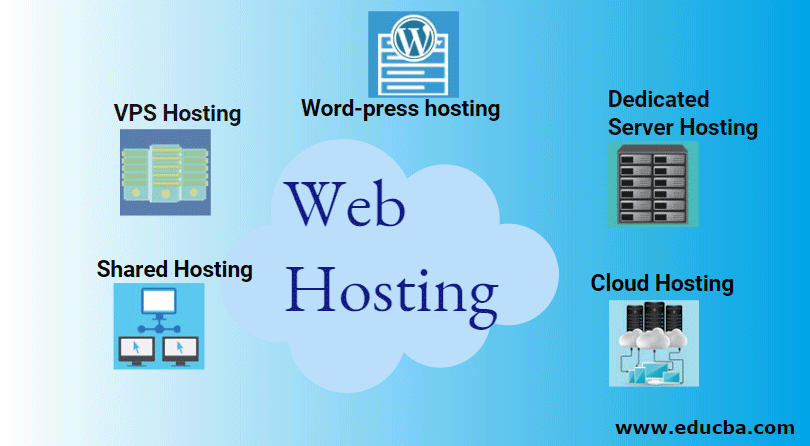
Shared Hosting is like sharing a big house. Many websites live on one server. Costs are low because many share the space. If one website gets busy, others might slow down. This is good for small websites. But big sites need more space. Security can be less strong with shared hosting.
VPS stands for Virtual Private Server. Imagine living in an apartment. You have your own space. Others live nearby. VPS gives more control than shared hosting. It costs more but is safer. More resources are available. It’s good for growing websites.
Dedicated Hosting means you have your own house. You don’t share with anyone. Full control is yours. This hosting is very safe. It’s for big websites with lots of visitors. Expensive but best for big needs. You can change settings freely. No one else can affect your website.
Cloud Hosting is like living in many homes. Data is stored in many places. If one server fails, others help. It’s flexible and reliable. Good for websites that grow fast. Pay only for what you use. It’s easy to add more space or power. Many websites trust cloud hosting.
Credit: www.hostinger.com
Key Features Of Web Hosting Servers
Storage space is like a home for your website. It keeps your files safe. Websites need enough room. Some hosting plans offer more space. More storage means more files. Choose wisely.
Bandwidth is about speed. It shows how fast data moves. Faster bandwidth means quick page loads. Slow bandwidth causes waits. Hosting plans differ in speed. Fast sites make users happy.
Uptime guarantee is like a promise. Hosts promise your site stays online. Higher uptime means fewer downtimes. Downtime frustrates visitors. Good hosts have high uptime rates. Check before buying.
Security measures protect your site. They stop hackers. Firewalls are common. SSL certificates encrypt data. Safe sites build trust. Hosts offer different security levels. Secure hosting is crucial.
Choosing The Right Server
Think about what you need from a server. Do you want to host a small website or a big one? Small websites need less space. Big websites need more space and power. Make a list of what you need. This helps in finding the right server.
Money matters when picking a server. Servers can cost a lot. Some are cheap but offer less. Some cost more but give more features. Choose a server that fits your budget. Do not spend more than you can afford. Keep in mind, cheap might not always be good.
Think about growing your website. A server should grow with your website. Choose one that can expand when your site grows. Some servers let you add more space easily. Others make it hard. Find a server with easy scalability. This helps your site grow smoothly.
Benefits Of Reliable Hosting
Websites load faster with good hosting. This improves site performance. Fast websites keep visitors happy. They stay longer and explore more pages.
Enhanced security is crucial. Good hosting protects your site. It keeps data safe from hackers. This builds trust with visitors.
Better customer support is available with reliable hosting. Experts help solve problems quickly. This keeps your site running smoothly. You can focus on your business instead.
Common Hosting Challenges
Downtime can be a big problem. Websites may go offline often. This makes users unhappy. Business can lose money when sites are down. Most sites need to stay up all the time. Keeping them online can be hard. They need strong systems to help.
Support teams might not always help fast. Sometimes, they are too slow. Users wait long for answers. Good support is important for solving problems. Some hosts have limits on help. They may only help at certain times. This can make things tough for users.
Websites need resources to work well. Storage space and bandwidth are key. Some hosts offer limited space. This can slow down a site. Users may not get what they need. Extra resources often cost more. Planning is needed to manage these limits.

Credit: en.wikipedia.org
Future Trends In Web Hosting
Green hosting uses less energy. This helps the planet. Many hosts now use renewable energy. They aim to reduce carbon footprints. This trend is growing fast.
AI makes hosting smarter. It helps solve problems quickly. Users get fast support. AI can also improve site performance. This makes websites run better.
Security is vital for websites. More hosts now offer stronger protection. They use advanced tools. This keeps data safe from hackers. Security remains a top priority.
Frequently Asked Questions
What Is A Web Hosting Server?
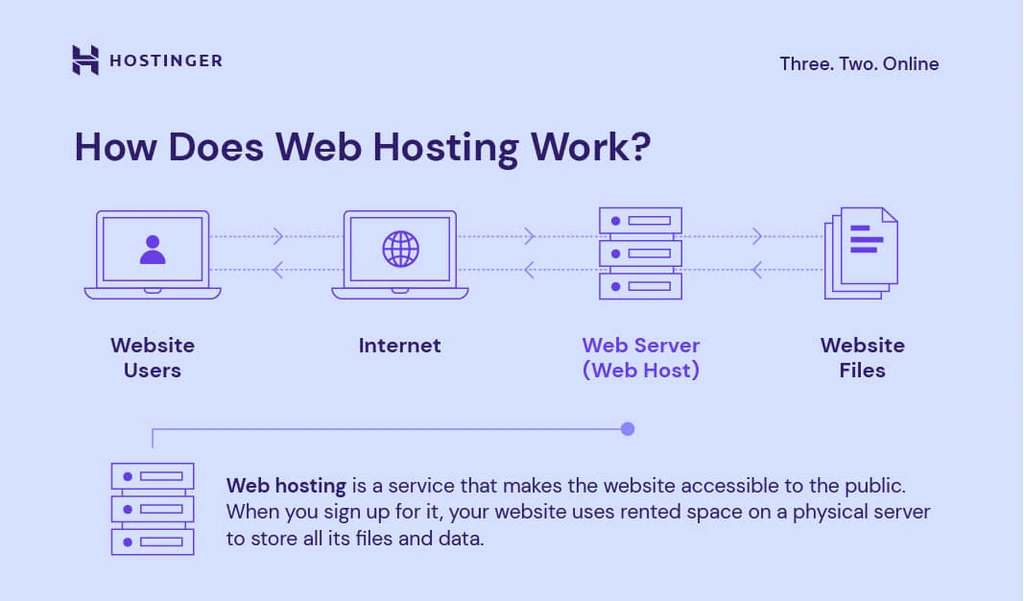
A web hosting server stores website data and makes it accessible on the internet. It ensures your website is available to users 24/7. Hosting providers maintain these servers, offering varying resources like storage, bandwidth, and security. Choose a reliable host for optimal performance and uptime.
What Are The 3 Types Of Web Hosting?
The three types of web hosting are shared hosting, VPS hosting, and dedicated hosting. Shared hosting involves multiple websites on one server. VPS hosting provides a virtual private server for more control. Dedicated hosting offers an entire server for one website, ensuring maximum resources and performance.
What Is An Example Of A Hosting Server?
An example of a hosting server is Bluehost. It provides reliable web hosting services. Many businesses use it for their websites. It offers shared, VPS, and dedicated hosting options. Bluehost is known for its excellent customer support and uptime.
Can I Run My Website Without Hosting?
No, you need hosting for your website to be accessible online. Hosting provides server space and resources for your website files. Without it, your website cannot be viewed by others on the internet. Hosting ensures your site is always available and loads quickly for users.
Conclusion
Choosing the right web hosting server matters. It impacts your site’s performance. Speed and reliability are crucial. A slow site loses visitors. Reliable hosting keeps it running smoothly. Consider your needs and budget. Shared hosting is budget-friendly. VPS offers more control.
Dedicated servers provide maximum resources. Each type has its pros and cons. Evaluate what suits your business best. Research providers carefully. Read reviews and compare features. A good host supports your growth. Secure, fast, and reliable service is essential. Make an informed choice for your website’s success.


