
Have you ever wondered how your favorite websites are available to you anytime you want, no matter where you are? The answer lies in web hosting.
But what exactly is web hosting, and why should you care? Understanding this concept is crucial if you want to create your own website or improve your online presence. Imagine your website is like a book. Just like a book needs a shelf to be displayed in a library, your website needs a home on the internet.
This home is provided by web hosting. It’s a service that stores your website’s files and makes them accessible to people all over the world. Without web hosting, your website would just be a collection of files sitting on your computer, invisible to everyone else. We will break down the concept of web hosting into simple terms that you can easily grasp, even if you’re not tech-savvy. By the end, you’ll understand why web hosting is essential and how it plays a pivotal role in making your online dreams a reality. So, if you’re ready to unlock the mysteries of the internet and gain the knowledge to take your website live, keep reading.
Credit: www.hostinger.com
Basics Of Web Hosting
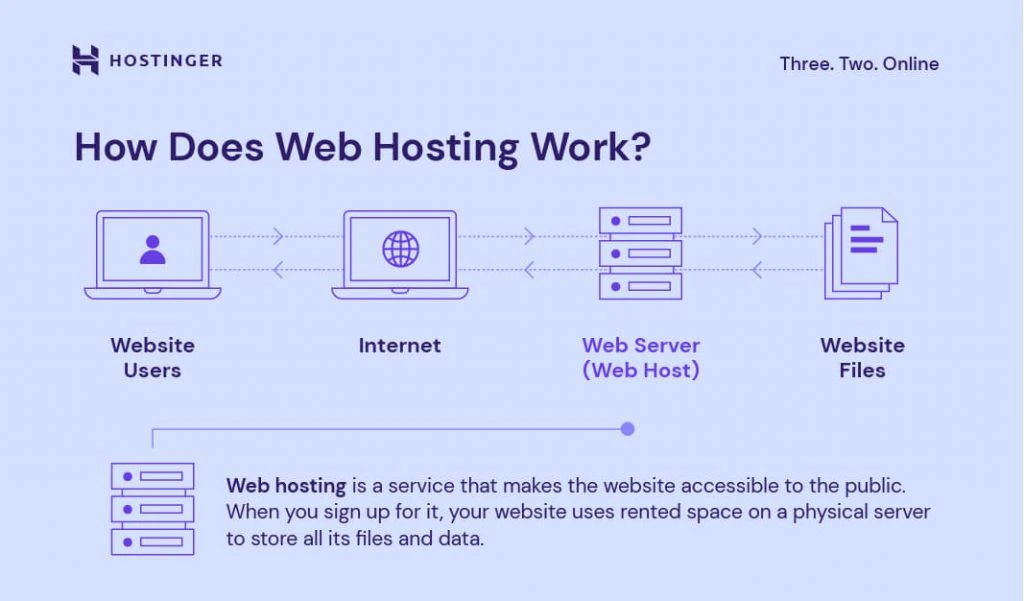
Web hosting is like renting a space for your website. It stores all your website files. People can visit your site from anywhere. The main purpose is to keep your website online. Without hosting, your site can’t be seen on the internet.
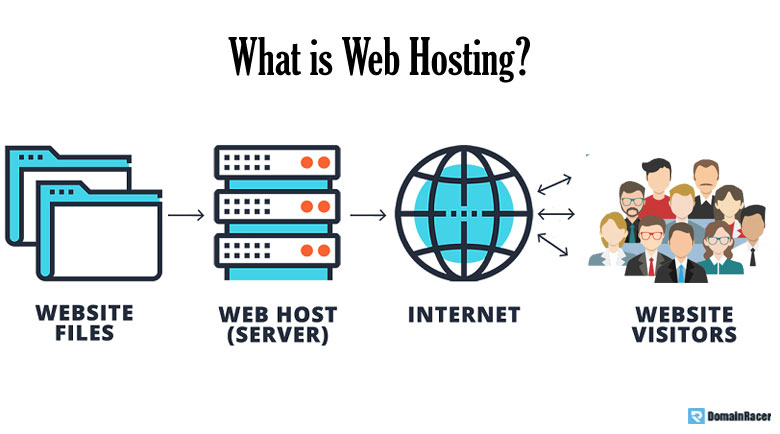
Your website is stored on a server. A server is a special computer. When someone types your website name, the server sends your website to their browser. It works fast and smoothly. This is how people see your site.
Types Of Web Hosting
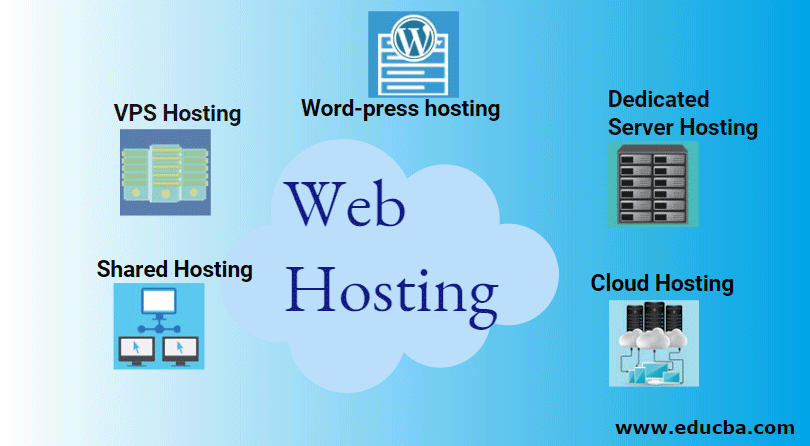
Shared hosting is like sharing a house with friends. Many websites live on one server. It is cheap and easy to use. But, websites share the same resources. This can slow down your site if others get busy.
VPS stands for Virtual Private Server. It is like having an apartment. You get your own space on the server. It is more stable than shared hosting. It costs more but gives better control and performance.
Dedicated hosting is like owning a house. You have the whole server to yourself. It is very powerful and secure. But, it is the most expensive option. You need to manage it yourself or hire someone.
Cloud hosting is like living in the sky. Websites use many servers that work together. This makes it very flexible. It can handle lots of visitors. It is also cost-effective because you pay for what you use.
Choosing A Web Hosting Provider
Web hosting means storing your website files on a server. This allows people to access your site online. Choosing the right provider ensures reliable service and good speed for visitors.
Factors To Consider
Choosing a web hosting provider can be tricky. Several factors help in making a decision. Start by considering cost. Some providers offer cheap plans but with limited features. Check the storage space and bandwidth they offer. These determine how much data you can store and transfer. Uptime is crucial too. This indicates how often your site will be online. Look for providers offering at least 99% uptime. Also, consider customer support. It’s important to have help available when needed. Check if they offer 24/7 support. Lastly, ensure they have good security features. This protects your website from hackers.
Popular Providers
There are many web hosting providers to choose from. Some popular ones include Bluehost, known for easy setup and good support. HostGator offers affordable plans and reliable uptime. SiteGround is praised for its excellent security features. DreamHost provides flexible plans and unlimited storage. A2 Hosting is noted for its fast loading speeds. Each has its own strengths. Consider what is most important for your needs.
Benefits Of Web Hosting
Web hosting makes websites load fast. This keeps visitors happy. Fast websites are easy to use. They help people find what they want quickly. A slow website can make visitors leave. Good hosting providers use strong servers. This helps your website work smoothly. Your content shows up without delay. This is key for online success.
Safety online is very important. Web hosting gives strong security. It protects your site from hackers. Hosting companies use firewalls and SSL certificates. These tools keep data safe. They also back up your website. So, you won’t lose information. Secure websites build trust with users. This is crucial for all websites.
Common Web Hosting Challenges
Web hosting lets websites live online, storing files for easy access. Challenges include slow loading times and security risks. Limited resources can cause downtime, impacting user experience.
Downtime Issues
Downtime is when a website is not working. People can’t visit it. This happens due to server problems. These problems can be hardware or software issues. Downtime affects businesses badly. They lose customers and money. Reliable hosting is important. It keeps websites online. Regular checks on servers help reduce downtime. Many hosting companies offer uptime guarantees. These promises ensure websites stay online. But sometimes, downtime still happens. Choose a host with good uptime records.
Scalability Concerns
Scalability means growing a website easily. As websites grow, they need more resources. Visitors increase and demand more space. Hosting must handle this growth. Hosts offer plans to manage traffic changes. Some plans are easy to upgrade. Others need more steps. Choose a host with flexible plans. This ensures smooth growth. Bad scalability can slow down sites. It can make visitors unhappy. Good hosting adapts to growth needs.
Credit: www.educba.com
Future Of Web Hosting
Web hosting is changing fast. Cloud technology is becoming more popular. It helps websites run smoother. Artificial Intelligence (AI) is also helping. AI can fix problems quickly. This keeps websites running well.
Another change is faster servers. New servers are very quick. They make websites load in a blink. This is good for users. It keeps them happy. Security is better too. Hackers find it hard to attack.
New trends in web hosting are exciting. Green hosting is gaining popularity. It uses less power. This helps the environment. Many people like this idea. Mobile-friendly hosting is also trending. More people use phones to browse. Websites must work well on phones.
Serverless architecture is growing too. It needs fewer resources. Websites run efficiently. This trend helps save money. It also makes hosting simpler. These trends show a bright future for web hosting.
Credit: blog.domainracer.com
Frequently Asked Questions
What Is Meant By Web Hosting?
Web hosting is a service that allows individuals and organizations to make their websites accessible online. Hosting providers store website data on servers, ensuring site availability. Users choose hosting plans based on their needs. Reliable web hosting improves site speed, security, and performance.
What Is A Web Host Example?
A web host example is Bluehost. It provides server space for websites to store files and ensure online accessibility. Hosting services often include domain registration, email accounts, and technical support. Popular choices like Bluehost offer reliable performance and user-friendly features, making them suitable for bloggers and businesses.
What Are The 3 Types Of Web Hosting?
The three types of web hosting are shared hosting, VPS (Virtual Private Server) hosting, and dedicated hosting. Shared hosting is cost-effective, VPS offers more control, and dedicated hosting provides maximum resources and customization. Choose based on your website’s needs and budget.
Can I Run My Website Without Hosting?
No, you can’t run a website without hosting. Hosting stores your website’s files and makes them accessible online. Without it, your website won’t be visible to anyone. Consider using reliable hosting services to ensure your site is always available and performs well.
Conclusion
Web hosting is essential for any website’s online presence. It stores your site’s data and keeps it accessible. Think of it as renting space on the internet. Choosing the right host impacts speed and reliability. There are various types, like shared and dedicated hosting.
Each has its own benefits. Consider your needs and budget before deciding. A reliable host ensures your website runs smoothly. This makes it easier for visitors to access your content. Understanding web hosting helps you create a better online experience.
With this knowledge, you can confidently choose the right hosting solution.


