
Have you ever wondered what makes your favorite websites appear on your screen? Behind the scenes, two crucial elements are at play: web hosting and domain names.
These terms might sound technical, but understanding them is simpler than you think. You may be considering launching your own website, or perhaps you’re curious about how the internet functions. Either way, knowing the difference between web hosting and domain names can empower you to make smarter decisions online.
Picture web hosting as the foundation of a house, holding everything together. Without it, your website wouldn’t have a place to reside. On the other hand, a domain name is like the address of that house, guiding visitors straight to your door. These two components work hand in hand to ensure your site is accessible to everyone, everywhere. You’ll discover the ins and outs of web hosting and domain names. You’ll learn how they differ, why they’re essential, and what choices you have at your disposal. So, if you’re ready to unlock the secrets of the digital world and boost your online presence, keep reading. You’ll find answers to questions you didn’t even know you had!
Web Hosting Basics
Different web hosts offer space for your website on the internet. Domains are unique addresses people use to find your site. Choosing the right web host and domain is crucial for your site’s performance and visibility. Understanding these basics helps in building a successful online presence.
Definition Of Web Hosting
Web hosting is a service. It lets people store their website files. These files are kept on special computers called servers. When someone types a website name, the server sends the website to their screen. This makes the website visible to everyone.
Importance For Websites
Web hosting is very important. Without it, websites cannot be seen. It helps websites be accessible to visitors. Good hosting makes websites load fast. It keeps them safe from hackers. It also helps them stay online all the time.
Types Of Web Hosting
There are many types of hosting. Shared hosting means sharing a server with others. Dedicated hosting gives you your own server. VPS hosting is a mix of shared and dedicated hosting. Cloud hosting uses many servers together. Each type has its own benefits.
Shared Hosting
Shared hosting is a budget-friendly option. It’s great for beginners and small websites. You share a server with others. This makes it cheaper. But, it can be slow if many use it at once. Security is also a concern. If one site is hacked, others can be affected. However, for low-traffic websites, shared hosting often works well.
Perfect for personal blogs and small businesses. Also good for learning and testing. If your site is new, shared hosting is an easy start. It’s suitable for websites with low visitors. Not ideal for large companies or sites with heavy traffic.
Vps Hosting
VPS hosting gives more control over your server. Unlike shared hosting, you get your own resources. This means better performance and security. It is perfect for sites with medium traffic. Plus, you can install your own software. Need more RAM or CPU? You can easily upgrade. It is also more stable. No one can affect your site with their traffic. VPS is like having your own space. You get more freedom to do what you want.
Choose VPS when your site grows. If shared hosting feels slow, it’s time. VPS is good for busy sites. You need more power or security? Go for VPS. If you want to run special software, VPS helps. It is also useful if you need more control. Want to customize your server? VPS is the way. It is a smart choice for growing businesses. More control means better management of your site.
Dedicated Hosting
A dedicated server offers full control of your website. You won’t share resources. This means your site runs faster and more securely. Large businesses need this kind of power. They handle lots of data. Speed is important. So is safety. More users means more risk. Dedicated servers can handle it.
You also get custom setups. This means you choose the software. You pick the tools. This makes your work easier. You can also scale up as you grow. No need to worry about limits. Dedicated hosting is perfect for growing businesses. It keeps your website strong and reliable.
Cloud Hosting
Cloud hosting offers a simple way to grow your online space. As your website gets more visitors, you need more space. Cloud hosting gives you this space. It lets you add more resources quickly. This means your site won’t slow down. If fewer people visit your site, you can use less space. This saves you money. Cloud hosting is also flexible. You can change things easily. This is great for businesses that change often. They can adjust their sites as needed. It is like having a stretchy web space that fits just right.
Many industries find cloud hosting helpful. E-commerce businesses use it. Their sites need to handle many visitors. Cloud hosting does this well. Education platforms benefit too. They need space for students and teachers. Cloud hosting offers this space. Media companies use cloud hosting. They need to store and share videos and articles. This requires lots of space. Cloud hosting provides it. These industries can grow easily with cloud hosting. They enjoy the flexibility it offers. It helps them serve their audience better.
Domain Names
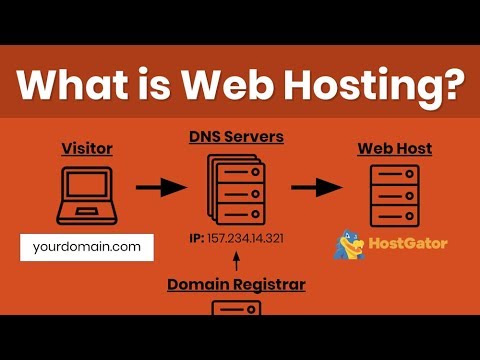
Domain names are like your home address on the internet. They help people find your website easily. Each domain name is unique. This means no two websites can have the same name.
Websites use domain names to look professional. They make websites easy to remember. Without a domain, people would use numbers to find sites. That would be hard to remember. Using a domain name, anyone can visit a website by typing the name in a browser.
Domains work like a map to find websites. The internet is big. It has millions of sites. Domains help find the right website easily.
Computers understand numbers. They use IP addresses to find sites. Domains turn these numbers into words. For example, instead of 192.168.1.1, we type a domain name. This makes it simple for everyone to use the internet.
Choosing A Domain Name
Picking the right domain name involves knowing different web hosts and domain providers. Each offers unique features and pricing. Choose wisely to ensure your site runs smoothly.
Tips For Selection
Choosing the right domain name is very important. It should be short and easy to remember. Use simple words that people know. Avoid tricky spellings. Make sure the name tells what your website is about. Try to use keywords if possible. They help people find your site. Avoid using numbers or hyphens. They can confuse visitors. Check if the name is available. Many names are already taken. Be creative but stay clear. A good name can make your site popular.
Common Mistakes To Avoid
Many people make mistakes when picking a domain name. Using long names is a big mistake. They are hard to remember. Avoid using words that are difficult to spell. This can cause problems. Never copy other famous names. It can lead to legal issues. Don’t choose a name that is too similar to others. It can confuse your visitors. Forgetting to renew your domain is also a mistake. Your site can go offline. Always keep track of renewal dates.
Credit: www.youtube.com
Domain Registration Process
First, decide on a domain name. Make it unique and easy to spell. After choosing, check if it is available. Some names might be taken. Next, pick a registrar. Registrars are companies that sell domain names. Ensure the registrar is trustworthy.
After selecting, create an account with them. Fill in your personal details. Choose the period for your domain. One year is common. Pay the fee to complete registration. Now, you own the domain!
Many registrars are available online. Compare their prices. Some offer extra services like email or hosting. Look at reviews to ensure they are reliable. A good registrar provides support when needed. Choose one that fits your needs and budget.
Integrating Domain And Hosting
Connecting your domain to a web host is important. This step makes your website live. First, you need to log into your domain account. Find the DNS settings. Here, you will see an option to add nameservers. These nameservers tell where your website is hosted. Copy the nameservers from your web host. Paste them in your domain account. Save the changes. It might take a few hours to update. Be patient.
Sometimes, the website does not show up. This is a common problem. Check if the nameservers are correct. Make sure there are no spaces or typos. Another issue is the delay. Updates can take up to 48 hours. This is normal. If problems persist, contact your web host. They can offer help. Always keep your login details safe. This prevents unauthorized changes.
Credit: thedesignspace.co
Future Trends In Web Hosting
New technologies are changing web hosting fast. Cloud hosting is more popular now. It is easy to use and very flexible. It can grow with your business needs. Artificial Intelligence (AI) helps manage servers better. It makes things faster and safer. AI can also fix problems quickly.
These changes help businesses a lot. They save money and time. Small businesses can compete better. They can serve customers quickly. More people can visit their websites without problems. Businesses also get more secure data storage. This keeps customer information safe.
Credit: pinnaclemgp.com
Frequently Asked Questions
What Is The Difference Between Web Host And Domain?
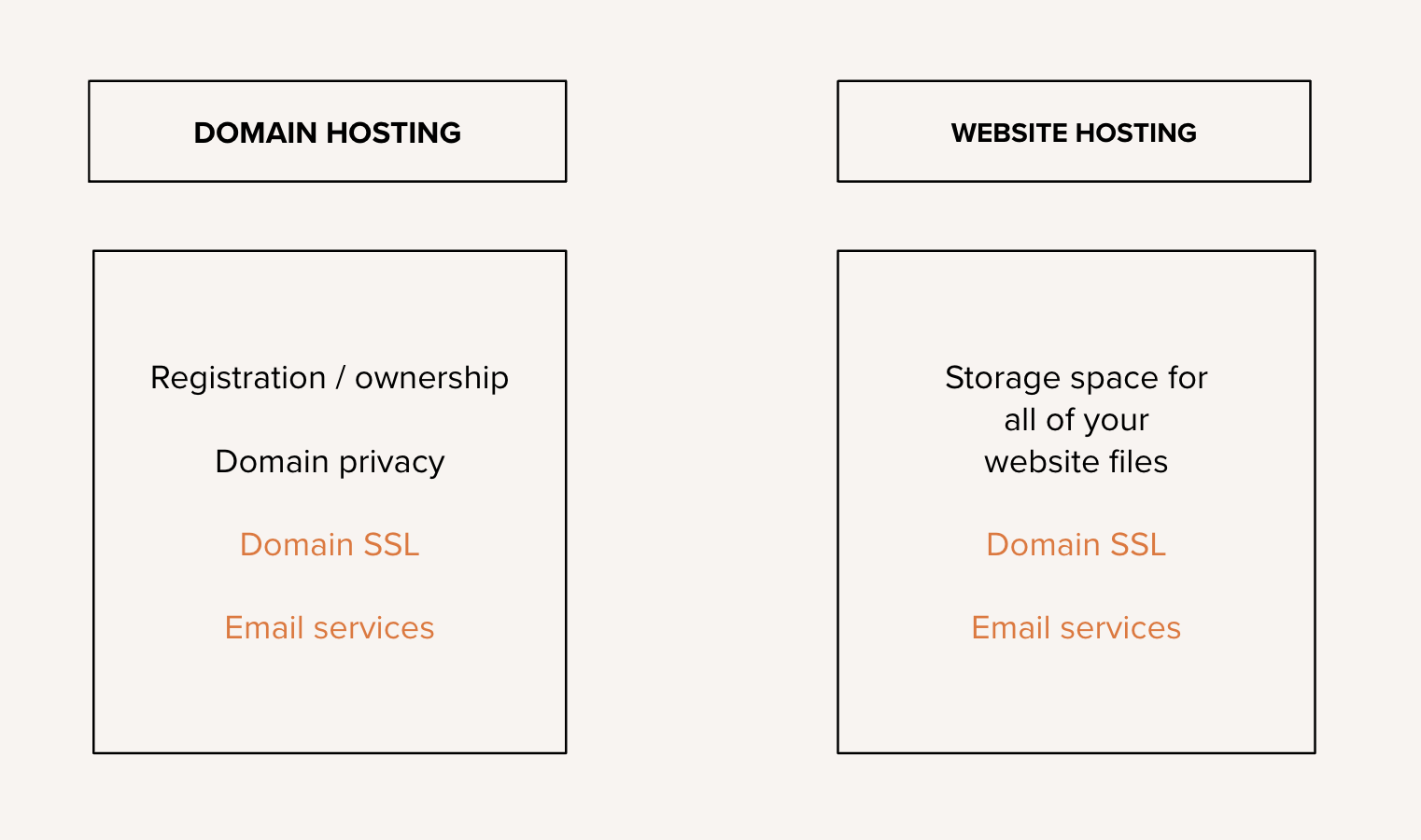
A web host stores your website files on servers, making them accessible online. A domain is your site’s unique address, like “example. com. ” The web host ensures your site is live, while the domain directs users to it. Both are essential for a functioning website.
What Is The Difference Between A Host And A Domain?
A host provides server space for websites, allowing them to be accessible online. A domain is the website’s address, used to locate the site on the internet. Both are essential for website functionality.
Do I Need Web Hosting If I Have A Domain Name?
Yes, you need web hosting to make your website accessible online. A domain name is only the website’s address. Hosting stores your website’s data on a server, allowing users to access it via the internet. Both are essential for a functional website.
What Is An Example Of A Domain And Hosting?
A domain is like “example. com,” representing your website’s address. Hosting is a service that stores your website’s files, making it accessible online. Together, they enable users to visit your site. Popular providers include Bluehost and GoDaddy for hosting, while domains can be registered through platforms like Namecheap.
Conclusion
Choosing the right web host and domain matters. It impacts your website’s performance. A good host ensures speed and reliability. A fitting domain boosts your online presence. Both play a vital role. They help attract visitors and improve search engine rankings.
Consider costs and features carefully. Evaluate support services and scalability. Make an informed decision. Your choice shapes your site’s success. Take your time. Select wisely. Your website deserves the best foundation. It leads to a strong digital presence. Prioritize quality and compatibility.
Aim for smooth user experiences. Secure your site’s future with smart decisions.


