
Imagine your favorite website. It could be a news portal, an online store, or perhaps a blog you frequent.
Have you ever wondered what makes it accessible every time you type the URL into your browser? That’s where web hosting comes into play. Web hosting is the magic behind the curtain that ensures your favorite sites are live and ready for you to explore.
But what exactly is web hosting used for, and why should you care? Think of web hosting as a digital plot of land where your website resides. Without it, your website would be floating aimlessly in the vast expanse of the internet, invisible to everyone. If you’re considering starting a website, or simply want to understand the backbone of the online world better, grasping the concept of web hosting is crucial. It’s not just about making your site visible; it’s about ensuring it runs smoothly, securely, and efficiently. As you dive deeper into this article, you’ll uncover why web hosting is essential, how it impacts your online presence, and what options you have at your disposal. Whether you’re a budding entrepreneur looking to launch your first site, or someone curious about the nuts and bolts of the internet, this information is vital. Stick around, and let’s demystify web hosting together, so you can make informed decisions and enhance your digital journey.
Basics Of Web Hosting
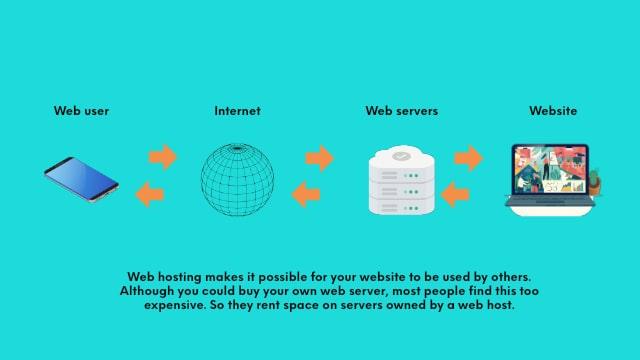
Web hosting is like renting space for your website on the internet. This space is on a server. A server is a special computer that stays on all the time. It holds your website’s files and makes them visible online. Without web hosting, people can’t see your website.
Different types of web hosting exist. Shared hosting is where many websites share the same server. It’s like sharing a room with friends. VPS hosting is like having your own room in a big house. Dedicated hosting means the whole server is yours. Cloud hosting uses many servers together. It helps if one server fails. Each type suits different needs.

Credit: www.godaddy.com
Purpose Of Web Hosting
Web hosting stores your website files. It keeps them safe. Hosting helps your site stay online. Without it, your site can’t be seen. Hosting is like a home for your site.
Hosting gives your site a place on the web. It makes sure people can find your website. Without hosting, your site will be invisible. Hosting helps you reach more people.
Hosting helps link your domain name to your website. It manages your website’s address. This makes it easy for users to find you. Hosting keeps everything connected and working.
Features Of Web Hosting
Web hosting gives you storage for your website files. Pictures, texts, and videos need space. Bandwidth helps people see your site quickly. More bandwidth means faster loading. If too many visit, a site can slow down. Choose a plan that fits your needs.
Web hosting includes security measures to keep your site safe. Firewalls block bad traffic. SSL certificates protect data like passwords. Backups save your data in case of loss. Always check if your host provides these features.
Technical support helps fix problems fast. Imagine your site goes down. Support is there to help. Some offer 24/7 help. Others might not. It’s important to have support when needed. Always choose hosting with good support.
Credit: www.godaddy.com
Benefits Of Web Hosting
Web hosting gives your site a home. A reliable host keeps your site up. People see your site all the time. No breaks. No errors. This is called uptime. Good hosts keep uptime near 100%. This means your site is always on. People trust sites that work well.
Websites can grow. More users and more data need more space. Scalability helps your site handle this growth. Web hosting lets you upgrade easily. Need more space? Just ask. Your site will handle more visitors smoothly. No slowdowns. No crashes.
Web hosting can be cheap. Many plans fit small budgets. You get good features for less money. Sharing servers lowers costs. This makes hosting cost-effective. Even small sites can afford it. You pay for what you need. No waste. Good value for your money.
Choosing A Web Hosting Provider
Picking the right web hosting provider is very important. Check their uptime. Uptime means the server stays online. Look at the speed. Fast loading sites are better. Security matters too. Ensure they have good protection. Cost is another factor. Compare prices and see what fits your budget.
Hosting plans come in different types. Shared hosting is cheap and shares resources. Dedicated hosting gives you a server alone. VPS hosting is a mix of both. Cloud hosting can grow with your needs. Bandwidth and storage are key features. Look at them closely.
Reviews give real opinions. Read customer reviews to know the truth. Look for good support feedback. Happy customers mean good service. Check for complaints. Frequent issues can be a problem. Ratings often show the real picture.
Common Web Hosting Services
Shared hosting is simple. Many websites share a single server. It is affordable for beginners. Websites share resources like CPU and RAM. It is easy to manage. Good for small websites or blogs.
Virtual Private Servers or VPS are in between. Websites share a server but have private space. More control than shared hosting. Ideal for medium-sized websites. Offers better performance and security.
Dedicated hosting is the best. You get a whole server. No sharing with others. Best for large websites or businesses. Offers maximum performance and security. More expensive but worth it.
Future Trends In Web Hosting
Cloud hosting uses many servers to keep your website running. If one server fails, others help out. This makes cloud hosting very reliable. Many businesses like this because it keeps their websites online. It is also easy to scale up or down. This means you can grow or shrink your resources as needed. Small businesses find this very helpful.
Many companies now offer eco-friendly hosting. They use green energy, like wind and solar. This helps the planet by reducing pollution. More people choose this because they care about the Earth. It also helps save energy costs. A good choice for those who love nature.
Security is very important for websites. New hosting plans now have better security features. These features protect websites from hackers. They also keep personal data safe. This makes users feel secure. Businesses find this very important for trust.

Credit: www.hostinger.com
Frequently Asked Questions
What Is Web Hosting And Do I Need It?
Web hosting stores your website files on servers, making them accessible online. It is essential for having a live website. Without hosting, your site won’t be visible to users. Choose a reliable provider to ensure speed and security.
Why Do People Use Web Hosting?
People use web hosting to make their websites accessible online. Web hosting provides the necessary server space and technology. It ensures websites run smoothly, load quickly, and remain secure. It also offers technical support and maintenance, allowing businesses and individuals to focus on content and growth.
What Is Web Hosting And An Example?
Web hosting provides storage space and access for websites on the internet. An example is Bluehost, offering reliable hosting services.
What Are The 3 Types Of Web Hosting?
The three types of web hosting are shared hosting, dedicated hosting, and VPS hosting. Shared hosting is cost-effective, suitable for beginners. Dedicated hosting offers complete server control. VPS hosting provides virtualized server resources, balancing cost and control. Choose based on your website needs and budget.
Conclusion
Web hosting is essential for bringing websites to life online. It stores your website data, making it accessible worldwide. Choosing the right hosting service is crucial. It affects your site’s speed and security. Reliable hosting means smoother user experiences. It supports your site’s growth and adapts to increasing traffic.
Without web hosting, your website remains invisible. It’s the backbone of your online presence. Investing in good web hosting is investing in your site’s future success. Keep your website running efficiently and secure with dependable hosting. Always prioritize hosting quality to ensure optimal performance.


