
Have you ever wondered why your website sometimes loads quickly and other times it doesn’t? Or perhaps you’ve received a notice from your hosting provider about exceeding your bandwidth limit, leaving you puzzled?
Understanding web hosting bandwidth can clear up this confusion and empower you to make smarter choices for your online presence. This term is crucial for the performance and accessibility of your site, yet it often remains shrouded in mystery for many website owners.
By grasping what web hosting bandwidth truly means, you can ensure your site runs smoothly and efficiently, keeping your visitors satisfied and your business thriving. Let’s dive into the world of web hosting bandwidth and uncover how it impacts your website’s success.
Web Hosting Bandwidth Basics
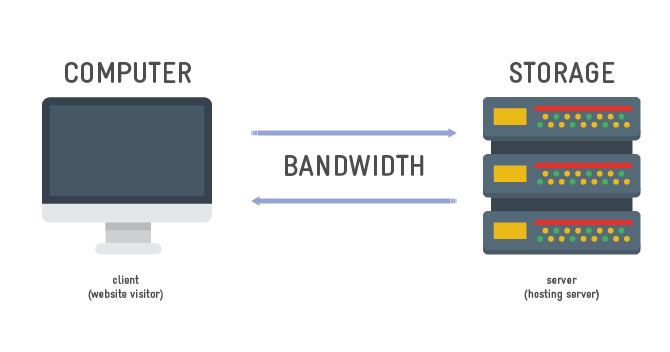
Bandwidth measures data transfer. It shows how much data moves in and out. Higher bandwidth means more data can move quickly. Lower bandwidth slows down the data movement. Think of it like a highway. More lanes mean more cars can pass. Fewer lanes mean traffic jams. This is why bandwidth is important. It keeps your website running smoothly.
Bandwidth works like a pipe. Data flows through this pipe. Bigger pipes can carry more data. If a website has lots of visitors, it needs more bandwidth. This helps the site load faster. Without enough bandwidth, pages load slowly. Visitors might leave if this happens. Web hosts offer different bandwidth options. Choose the right one for your needs.
Types Of Bandwidth In Hosting
Metered bandwidth tracks how much data you use. Imagine a water meter. It measures every drop. Hosting companies charge based on this usage. If you use more, you pay more. It’s important to monitor your usage. This helps avoid extra charges. Always check your data plan. It can save you money.
Unmetered bandwidth is different. You can use as much data as needed. No extra charges. It’s like having a water fountain. You don’t count every drop. This plan is great for growing sites. But, there is a speed limit. It’s like a road with a speed limit. You can drive as long as you want. But not faster than allowed.
Bandwidth Vs. Data Transfer
Bandwidth is like a highway. It shows how wide the road is. It tells how much data can move at one time. Data transfer is different. It is like counting cars on the road. It tells how much data moved over time.
Key Differences
Bandwidth measures capacity. Data transfer measures usage. Bandwidth is fixed. Data transfer changes. Bandwidth limits speed. Data transfer limits quantity.
Common Misconceptions
People confuse bandwidth with data transfer. Bandwidth is not the same as speed. More bandwidth does not mean faster websites. Bandwidth is about potential. Data transfer is about actual use.
Credit: www.elegantthemes.com
Importance Of Bandwidth For Websites
Bandwidth affects how fast a website loads. Faster loading means a better experience. Users like websites that load quickly. Slow websites can make users leave. This can cause a website to lose visitors.
Websites need enough bandwidth to handle many visitors. Not enough bandwidth can cause crashes. This can make a website look unprofessional. Users may not return to a site that crashes.
A good user experience keeps visitors happy. Happy visitors are more likely to return. More returning visitors means more success for the website.
Calculating Bandwidth Needs
Bandwidth depends on many things. Website traffic is very important. More visitors mean more bandwidth. Page size also matters. Large pages need more bandwidth. Media files need a lot of bandwidth. Videos and images use more space than text. Hosting plan can affect bandwidth too. Some plans offer limited bandwidth. Others give unlimited bandwidth. Choosing the right plan is key.
Tools help estimate bandwidth needs. Google Analytics shows site traffic data. Pingdom checks page size. GTmetrix analyzes media files on your site. These tools provide useful data. They help make smart choices. Use them regularly for best results. Understanding bandwidth needs is crucial for smooth website operation.
Managing Bandwidth Effectively
Web hosting bandwidth refers to the amount of data transferred between your website and users. Managing it effectively ensures smooth user experience and avoids extra costs. Monitor usage regularly and optimize content to maintain site performance.
Monitoring Usage
Keeping track of your bandwidth is important. Regular checks help avoid unexpected costs. Use tools to see data usage daily. Some hosting services offer built-in monitors. These tools show how much data is used. Alerts can be set for high usage. This keeps your site running smoothly. Understanding patterns helps in planning. A sudden spike may indicate a problem. It might also mean higher traffic. Both need attention.
Optimization Techniques
Optimize images and videos to save bandwidth. Smaller files load faster. Use compression tools to make files smaller. This helps with speed. Clean up your website regularly. Remove unnecessary files and plugins. They slow down the site. Use efficient code for web pages. This also helps save bandwidth. Caching is another good technique. It stores data for faster access. Users get content without waiting long.
Choosing The Right Bandwidth Plan
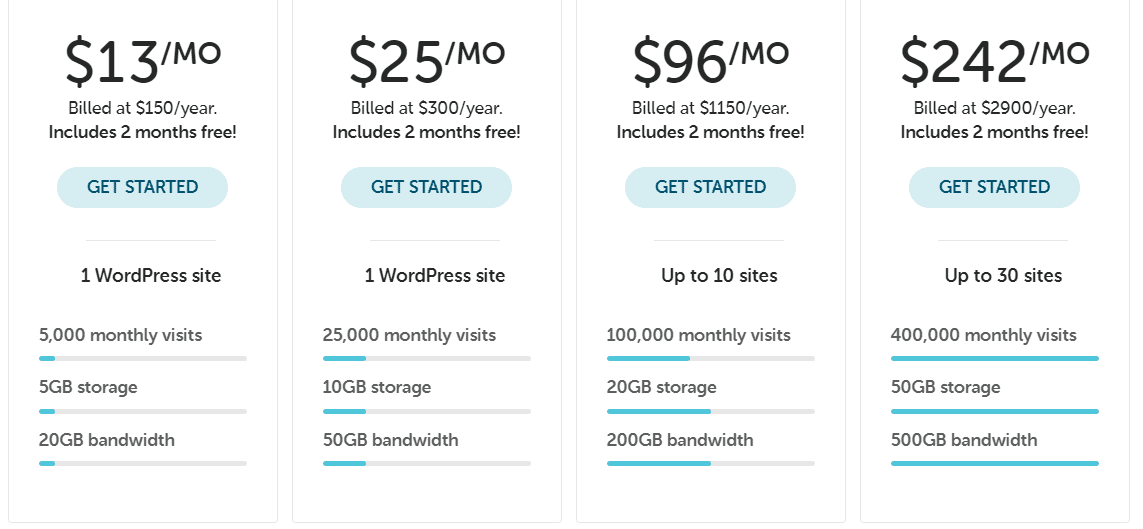
Start by checking provider reviews. Happy customers mean good service. Look for uptime guarantees. More uptime means your site stays online. Consider support options. Good support helps when things break. Compare prices. More features often cost more money. Check if they offer scalable bandwidth. You might need more bandwidth as you grow. Also, ask about hidden fees. Some providers charge extra for upgrades.
First, decide how much bandwidth you need. Smaller sites use less. Big sites need more. Next, check your budget. Don’t spend more than you have. Look for plans with monthly payments. Easier to manage than yearly ones. Always keep a little extra money for emergencies. Sometimes, your site gets busy. You might need to upgrade fast. Choose a plan that fits your budget and needs.
Credit: www.digitalpacific.com.au
Future Of Web Hosting Bandwidth
Web hosting bandwidth is growing fast. Technology is making it better. Servers are now more powerful. They can handle more data. Internet speed is also improving. This helps websites load quicker. Cloud hosting is getting popular. It offers more bandwidth. It is flexible and scalable. Users get a better experience. Security is also enhanced. Protects data from threats.
Many new trends are coming up. Artificial Intelligence is helping. It manages bandwidth smartly. 5G networks are spreading. They offer faster speeds. Remote work needs more bandwidth. People want reliable connections. Green hosting is a trend. It uses less power. Helps the environment. IoT devices need bandwidth too. They connect to the internet.
Credit: www.elegantthemes.com
Frequently Asked Questions
What Is Bandwidth In Web Hosting?
Bandwidth in web hosting is the data transfer capacity of your website. It measures how much data can be sent and received over a network. Higher bandwidth allows more visitors and faster access to your site. It’s crucial for managing traffic and ensuring optimal website performance.
How Much Bandwidth Do I Need To Host A Website?
Bandwidth needs vary by website size and traffic. Small sites need around 10GB monthly. Larger sites with high traffic may require 100GB or more. Calculate usage by considering average page size and visitor numbers. Always choose a hosting plan with scalable bandwidth options to accommodate growth.
Is 100gb Bandwidth Enough For A Website?
100GB bandwidth is often enough for small to medium websites. It supports moderate traffic and content. High-traffic or media-heavy sites may need more. Regularly monitor usage to avoid overages. Optimize images and files to save bandwidth. Choose a plan that matches your website’s growth and needs.
What Is The Best Bandwidth For A Website?
The best bandwidth for a website varies based on traffic. Small sites need 10-20 Mbps, while larger sites require 100 Mbps or more. Evaluate your site’s traffic and needs to choose appropriately. Consider potential growth to ensure optimal performance.
Conclusion
Understanding web hosting bandwidth is crucial for your website’s success. It affects loading speed and user experience. Choose a plan that matches your site’s traffic needs. Always monitor usage to avoid slowdowns or extra fees. Remember, your site’s performance can impact visitor satisfaction.
So, prioritize sufficient bandwidth. Consider future growth when selecting a hosting plan. This ensures your site runs smoothly as traffic increases. With this knowledge, you can make informed decisions. Your website deserves the best performance possible. Keep bandwidth in mind for a seamless online presence.


