
Have you ever wondered how your favorite website is accessible to you anytime, anywhere? The answer lies in web hosting.
Whether you’re planning to launch your own website or just curious about how the internet works, understanding web hosting is crucial. It’s the backbone that makes your online presence possible. But here’s the twist — not all web hosting is created equal.
There are different types, each tailored to specific needs and budgets. Imagine knowing exactly which type of web hosting will give your website the speed, security, and reliability it needs. By the end of this article, you’ll have a clear understanding of web hosting and its various types. This knowledge can empower you to make informed decisions that could enhance your website’s performance and user experience. So, are you ready to discover the secrets of web hosting that could transform your online journey? Read on to unlock the answers!
Credit: www.sitesaga.com
Web Hosting Basics
Web hosting is like renting space on the internet. Websites need a place to stay. This place is called a server. Servers store all the website files. Hosting companies offer this space. Without hosting, websites can’t be seen online. It’s like a home for your website. Every website needs a host to live on.
Good hosting makes websites load fast. Fast websites keep visitors happy. If a site is slow, people leave. Hosting affects security too. Secure hosting keeps data safe. It protects against hackers. Reliable hosting means less downtime. Downtime means a site is offline. Nobody can visit it. This hurts businesses. Hosting is very important for any website.
Shared Hosting
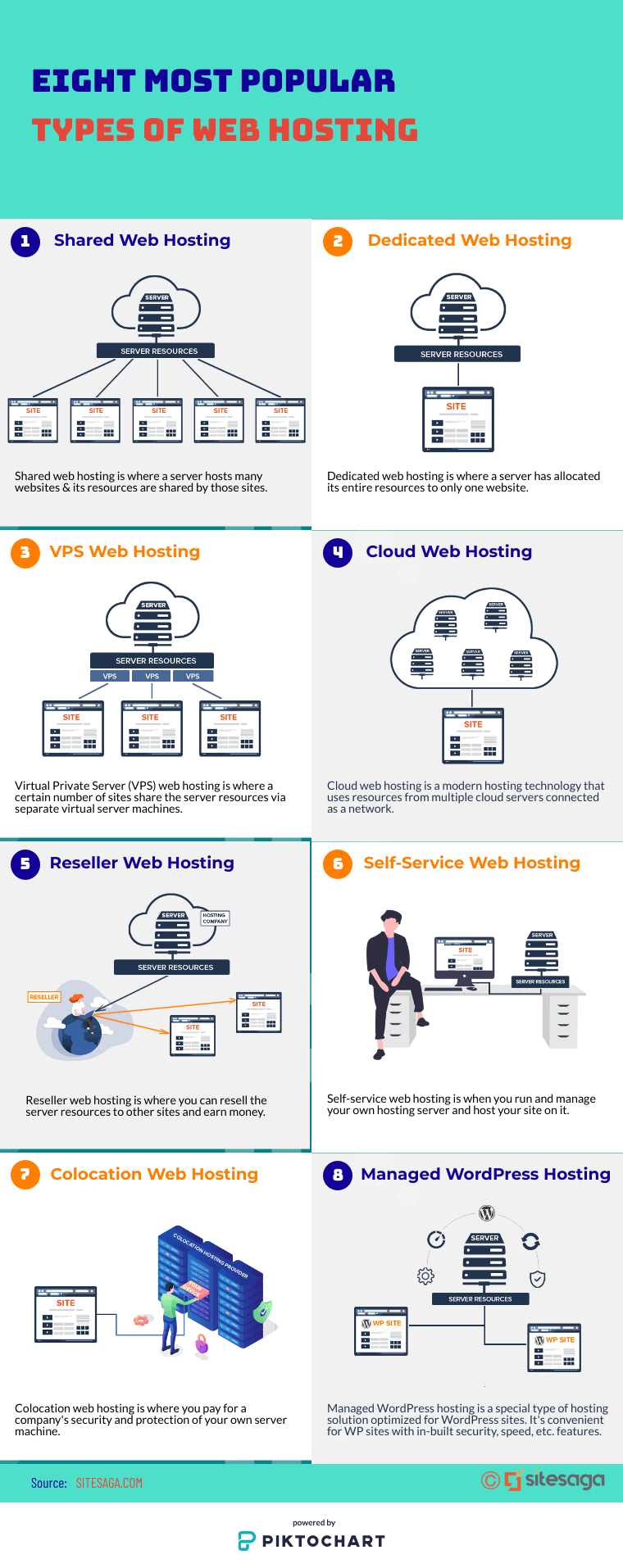
Shared hosting is a popular choice for small websites. It is affordable and easy to use. Many users share one server. This makes it cheaper. It comes with basic features like email accounts and databases. It is suitable for beginner websites. Shared hosting often includes a control panel. This helps in managing the website. The performance may vary. It depends on server load. It is ideal for blogs and small businesses.
| Pros | Cons |
|---|---|
| Low cost | Limited resources |
| Easy to manage | Slower performance |
| No technical skills needed | Less control over settings |
Vps Hosting
VPS stands for Virtual Private Server. It offers a blend of shared and dedicated hosting. Each VPS runs its own operating system. Users have root access to the server. This means you can install any software. Resources are shared but isolated. This ensures better performance. You have control over server settings. This allows for customization.
VPS hosting is cost-effective for many users. It provides better stability than shared hosting. You get dedicated resources. This means more power for your website. VPS hosting allows for scalability. You can easily upgrade your resources. Security is better than in shared hosting. It offers flexibility for growing businesses.
Dedicated Hosting
Dedicated hosting offers full control over your server. Only your website uses the server. This means better performance. No other websites slow it down. It is also more secure. You do not share with others. You can customize settings. Choose the software you need. Enjoy faster load times. Your visitors will love this. It is great for large businesses. They need lots of resources. It handles high traffic easily. Your website stays online. Even during peak hours.
Large companies often need dedicated hosting. They have many visitors. They need strong security. Also, e-commerce sites benefit. They handle sensitive data. Gaming websites also use it. They need fast response times. If you run heavy applications, dedicated hosting is best. It provides the power you need. Developers like it too. They need a server to test. You control everything. Perfect for custom solutions.
Cloud Hosting
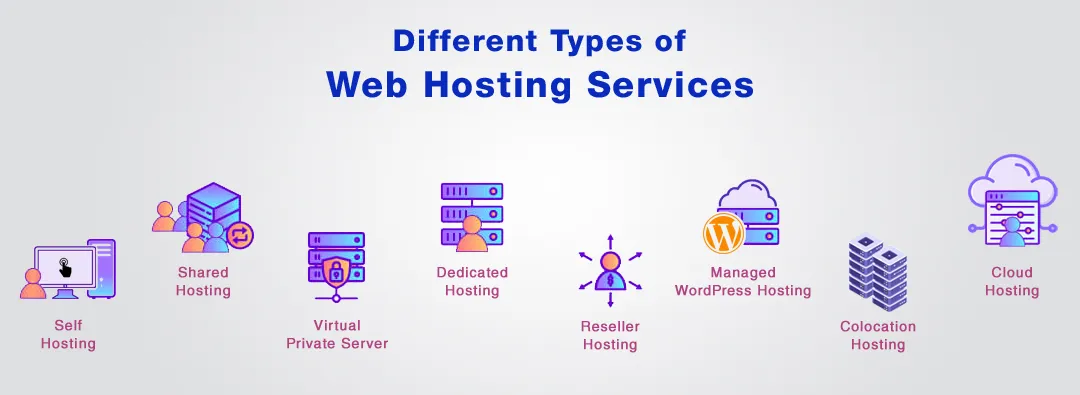
Cloud hosting stores your website data across multiple servers for better reliability. It is one of several web hosting types, alongside shared, dedicated, and VPS hosting. Each type offers different features and benefits for website needs.
How Cloud Hosting Works
Cloud hosting uses many servers. These servers work together to host websites. When one server fails, another takes over. This method makes cloud hosting very reliable. It can handle more traffic than regular hosting. It ensures websites stay online even during busy times. This is very helpful for big websites. They often have many visitors. Cloud hosting also offers better security. It protects data from hackers and other threats. This means your website and data are safer in the cloud.
Scalability And Flexibility
Cloud hosting is very scalable. You can add more resources easily. This helps when your website grows. You don’t need to move to a new server. Just add more power to your cloud. It’s flexible too. You pay for what you use. This can save money. You won’t pay for unused resources. This makes cloud hosting a smart choice for many. It adapts to your needs. It grows with your website. This makes it great for changing businesses.
Managed Hosting
Managed hosting offers many useful features. One key feature is automatic updates. This keeps your server secure. Another important feature is 24/7 support. Help is always available when needed. Managed hosting also includes regular backups. This ensures your data is safe. The service provides performance monitoring too. Your site will run smoothly. Managed hosting also handles security patches. Your server stays protected.
Small businesses benefit from managed hosting. They save time and resources. It’s great for e-commerce sites too. They need reliable support. Managed hosting suits bloggers as well. They get help with technical issues. Non-profits also find it useful. They get more time for their mission. Managed hosting is perfect for those who want peace of mind. It takes care of server management.
Colocation Hosting
Colocation means using a data center to keep your servers. You place your own server in a shared facility. The data center offers power, cooling, and security. You own the server and its software. Data centers provide a reliable environment. They have strong internet connections and backup power. This is great for businesses needing full control over their servers.
Benefits include full control over hardware and software. You can upgrade when needed. Security is also better. Drawbacks involve higher costs. You pay for space, power, and internet. Setup might be complex too. It’s not always the best for small sites. Think about your needs before choosing.
Credit: www.mhgoz.com
Choosing The Right Hosting
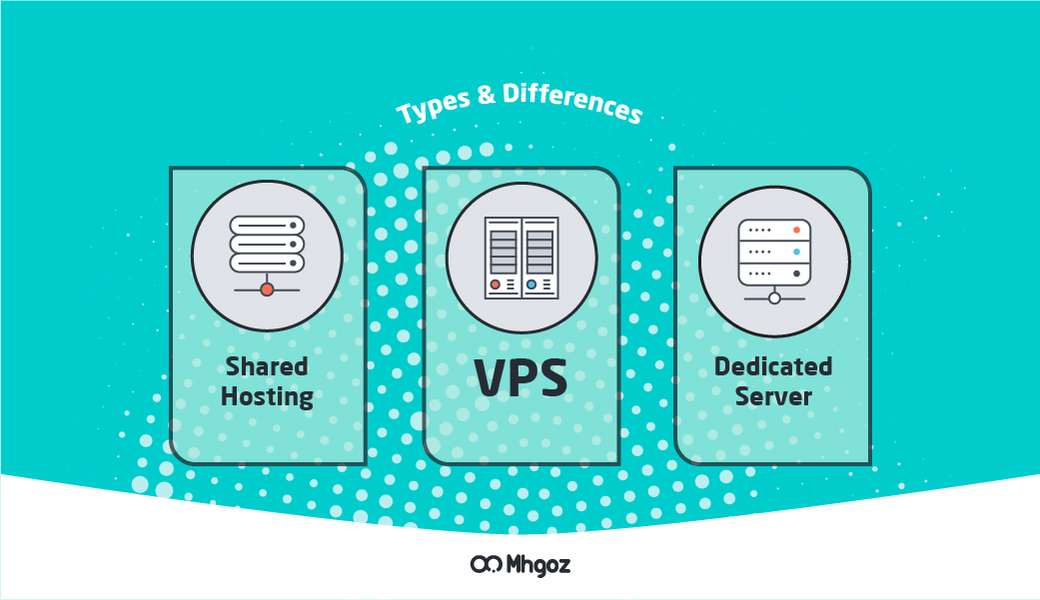
Web hosting stores your website files on servers, making them accessible online. Shared hosting suits small sites. VPS offers more control. Dedicated hosting provides exclusive resources. Cloud hosting scales easily. Each type varies in cost and performance. Choose based on your site’s needs and budget.
Factors To Consider
Cost is often a big factor. Some hosting is cheap, others are not. Cheaper hosting may not be fast. You might get slow website speeds. This can upset users.
Performance is key. Fast websites make users happy. Look for reliable hosting. It should have good uptime. Uptime means your site is online. Most hosts promise 99% uptime.
Support is also important. Problems happen sometimes. Good support can fix them fast. Check if support is 24/7.
Features vary between hosts. Some offer free backups. Others give free domains. Look at what you get for your money.
Scalability means your hosting can grow. If you get more visitors, you need more resources. Choose a host that can grow with you.
Credit: community.aws
Frequently Asked Questions
What Are The 3 Types Of Web Hosting?
Web hosting types include shared hosting, VPS hosting, and dedicated hosting. Shared hosting offers cost-effective solutions. VPS hosting provides more resources and control. Dedicated hosting delivers maximum performance and security. Each type suits different needs and budgets.
What Is Meant By Web Hosting?
Web hosting is a service that stores website files on servers, making them accessible online. It allows users to publish websites on the internet. Hosting providers offer different plans based on storage, bandwidth, and features. Choose the right hosting to ensure reliable website performance and availability.
What Is A Web Host Example?
A web host example is Bluehost, which provides server space for websites. It offers reliable hosting services, including WordPress hosting, with 24/7 customer support. Many businesses and individuals use Bluehost to ensure their websites run smoothly and efficiently. It’s a popular choice due to its affordability and user-friendly features.
What Type Of Web Hosting Do I Need?
Choose web hosting based on your site’s needs. Shared hosting suits small blogs, while VPS offers more resources. Dedicated hosting provides maximum control for large sites. Consider cloud hosting for scalability. Assess your budget and technical skills before deciding.
Conclusion
Web hosting is crucial for any website’s success. It provides the needed space and support. Different types serve different needs. Shared hosting is affordable. VPS offers more control. Dedicated hosting gives full server access. Cloud hosting scales easily. Choosing the right type is important.
It affects speed, security, and cost. Understanding each type helps make an informed choice. Always consider your website’s needs and future growth. Make sure to research before deciding. The right web hosting can enhance your online presence. So, invest wisely and watch your website thrive.


