
Imagine having complete control over your web applications. With self-hosting Web APIs, this becomes a reality.
You might wonder what self-hosting actually means and how it can revolutionize your digital presence. Well, picture this: no dependency on third-party servers, enhanced security, and tailored performance that caters specifically to your needs. Sounds intriguing, right? You’ll discover the ins and outs of self-hosting Web APIs and how it empowers you to manage your web services efficiently.
Whether you’re a tech enthusiast or a business owner looking to elevate your online capabilities, understanding self-hosting can open up a world of possibilities. Stick around, as we’ll unravel the secrets behind this powerful concept, ensuring you walk away with the knowledge to make informed decisions for your web strategy.
Self Hosting Basics
Self hosting means running a web service on your computer. It allows you to control your data and environment. This method is different from using third-party services. You manage everything yourself. This can be a good way to learn how web services work. It is important to ensure your system has enough resources. This helps in maintaining smooth operations.
Self hosting offers several benefits. One major benefit is control. You have full control over your data and how it is used. It also gives you the freedom to customize your setup. Another benefit is cost savings. It can be cheaper than paying for third-party services. Privacy is another key benefit. Your data stays on your server, offering better security.
Web Api Functionality
Web APIs help different software talk to each other. They use the internet to share data. APIs can send and get information fast. They help in building apps that work smoothly. APIs let developers make apps more powerful. They give access to many tools and data. APIs are like bridges for software.
Web APIs are used in many ways. Weather apps use APIs to get data. Social media apps use them to share posts. Online stores use APIs for payments. Maps apps use APIs to show locations. Music apps use APIs to play songs. APIs are everywhere in tech today.
Setting Up Self Hosting
You need a computer with enough RAM and storage space. Install a good operating system like Windows or Linux. A web server software is important. Apache and Nginx are good choices. Get a database software like MySQL or PostgreSQL. You also need a programming language such as Python or Java. Make sure to install a development environment like Visual Studio Code. These tools help you code and test.
First, install the web server software on your computer. Then, configure the server settings. Set up the database by creating tables. Write code using your chosen programming language. Next, connect the code to the database. Test the connection and fix any errors. Finally, start the server and check if everything works. Follow these steps to complete the setup.

Credit: www.youtube.com
Security Considerations
Self-hosting web APIs face many security threats. Hackers might try to steal data. They could use malware or viruses. Bad people could also try to overload servers. This is called a Denial of Service (DoS) attack.
Another threat is unauthorized access. Someone might gain entry without permission. This could lead to data loss or changes. Data breaches can be very harmful. They might expose personal information. Protecting web APIs is very important.
Use strong passwords to protect your API. Change passwords often. Implement firewalls to block harmful traffic. Firewalls help keep bad actors out.
Encryption is key. It makes data unreadable to bad people. Secure your data with SSL/TLS certificates. Monitor your system for unusual activity. Regular checks help catch threats early.
Keep all software up to date. This prevents known bugs from being used against you. A regular update schedule is important. Also, limit who can access your API. Only allow trusted users.
Performance Optimization
Self-hosting a Web API means running your API on your own server. This offers more control and flexibility. You can optimize performance by managing server resources directly, ensuring faster response times and better security for your applications.
Monitoring Techniques
Monitoring helps find issues in your web API. Use tools to watch performance. They check speed, errors, and usage. Some tools are free. Others cost money. Pick the one right for you. Charts and graphs show data clearly. They help you see problems fast.
Improvement Tips
Small changes can make big differences. Compress your data to speed up your API. Cache results to save time. Limit data sent over the network. Use simple code to make maintenance easy. Keep your software up to date. This helps security and speed. Regular checks can find hidden problems. Fix them fast to keep your API running well.

Credit: www.youtube.com
Troubleshooting Issues
Self-hosting a Web API can sometimes be tricky. A common issue is server connectivity. This means the server doesn’t respond. Another problem might be incorrect API requests. These happen when the request format is wrong. Security settings can also cause trouble. If they’re too strict, the API won’t work properly.
To fix these problems, check the server connection first. Ensure that the server is online. For API requests, verify the request format. Use the correct URL and parameters. Adjust security settings carefully. Ensure they’re neither too strict nor too loose. This balance keeps the API secure and functional.
Future Trends In Self Hosting
Exploring self-hosting Web APIs offers control over data and customization. It allows businesses to manage their servers independently, improving security and performance. As digital landscapes evolve, many are turning to self-hosting for a personalized experience.
Emerging Technologies
New technologies are changing how we host web APIs. Artificial Intelligence helps in predicting server needs. Machine learning makes managing resources easy. These tools help servers run better. Cloud computing offers more options. It gives flexibility and reduces costs. Edge computing can bring data closer to users. This reduces delays and improves speed. Blockchain promises secure and private data sharing. It keeps data safe from hackers. Serverless architecture lets developers focus on coding. It takes away the need to manage servers. Automation tools save time and reduce errors. They make tasks quick and simple.
Predictions And Insights
More people will use self-hosting in the future. Security will be a big focus. Protecting data is very important. Scalability will improve with new tools. It will be easier to handle more users. Custom solutions will grow in demand. Users want services that fit their needs. Simplified setups will attract beginners. Easy tools will help them start quickly. Cost efficiency will drive choices. Saving money is always a priority. Green computing will become important. People want eco-friendly solutions.
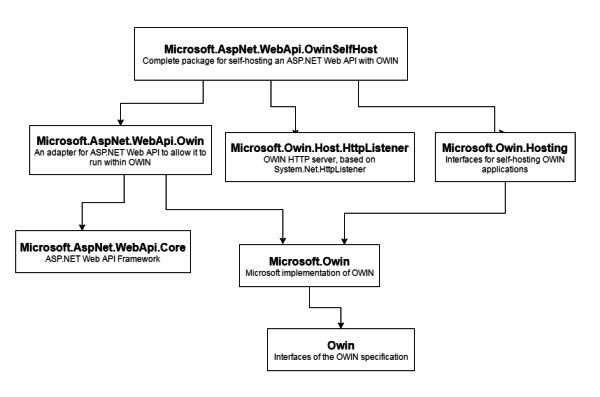
Credit: www.uship.com
Frequently Asked Questions
What Is Self-hosting In Web Api?
Self-hosting in Web API means running the API on a server you control. It allows customization, flexibility, and direct access to server resources, enhancing security and performance. This approach is ideal for businesses needing specific configurations or greater control over their web services.
What Is Web Api Hosting?
Web API hosting provides a server environment for APIs to function online. It enables applications to communicate over the internet, allowing data exchange. Hosting ensures API accessibility, reliability, and security, optimizing performance and scalability for various users and applications.
What Does Self Hosting A Website Mean?
Self-hosting a website means hosting your website on your own server. You manage server resources, updates, and security. This provides greater control and flexibility over your website’s functionality and performance. Self-hosting can be cost-effective, but requires technical expertise.
What Does It Mean To Host An Api?
Hosting an API means providing the infrastructure to run and access your API. It involves setting up servers, managing security, and ensuring API availability. This allows developers to interact with your services or data over the internet efficiently. Hosting ensures your API is accessible and performs reliably.
Conclusion
Self-hosting a web API offers control and flexibility. It empowers developers. Manage resources directly. Customize the setup to meet specific needs. Security improves as you control access. Costs can be optimized based on usage. Scalability becomes easier with direct oversight.
This approach supports better performance. More responsibility, though. Technical knowledge is necessary. But the benefits often outweigh the challenges. Self-hosting suits businesses seeking tailored solutions. It’s a valuable option for those ready to manage their API environment.


