
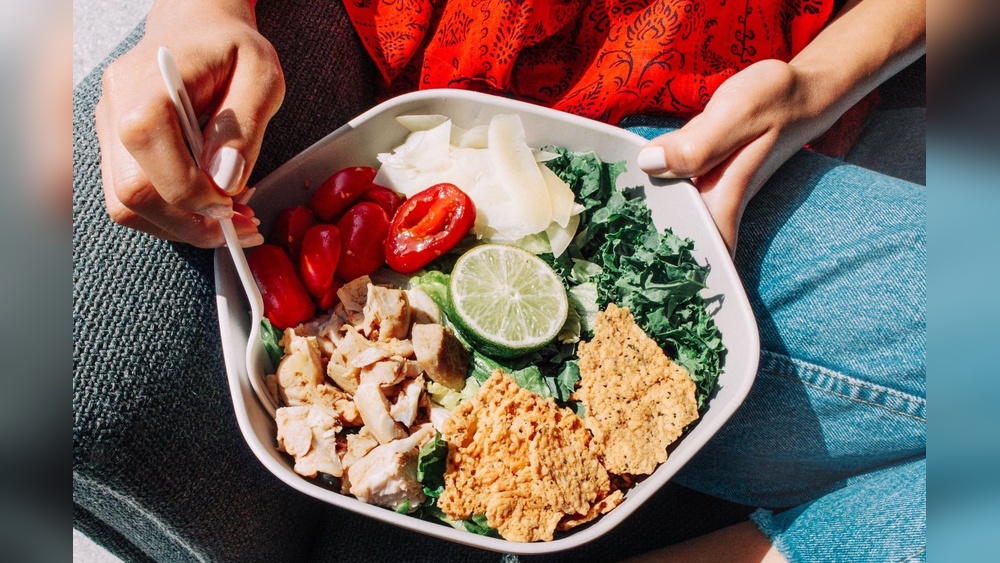
Is a salad a solution? It’s a question that might seem simple at first, but the answer can surprise you.
When you look at a bowl of fresh greens, colorful veggies, and tasty dressing, you probably think of a healthy meal or a quick snack. But from a chemistry point of view, what exactly is going on in that bowl?
Are all those ingredients blending perfectly into one uniform mix, or do they stay separate, each with its own identity? Understanding this can change how you think about what you eat—and even how you prepare your meals. Stick with me, and you’ll discover why a salad is more than just a mix of ingredients, and why calling it a solution might not be quite right. Ready to find out the truth hidden in your salad bowl? Let’s dig in!

Credit: www.amazon.com
Salad As A Mixture
A salad is a classic example of a mixture, not a solution. It contains different ingredients combined but not chemically bonded. Each part keeps its own properties and looks. Salads show how mixtures can be both simple and complex.
This nature makes salads interesting and easy to understand when studying mixtures. You can see and pick out each item. This is unlike solutions, where everything blends into one uniform substance.
Heterogeneous Components
Salads have heterogeneous components. This means the parts are not the same throughout. Lettuce, tomatoes, cucumbers, and dressing stay separate and visible. You can easily see each piece in the bowl.
The ingredients do not dissolve or mix evenly. Each bite can taste different depending on the parts you get. This variety is a sign of a heterogeneous mixture.
Separable Ingredients
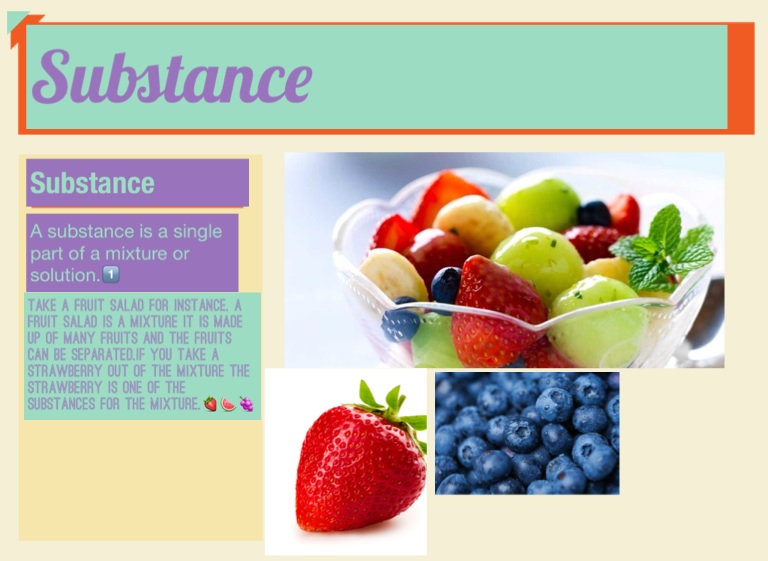
One key feature of salads is that ingredients are separable. You can remove the pieces one by one without changing their nature. For example, picking out olives or cheese is simple and common.
This separability shows the salad is not a solution. Solutions mix substances at the molecular level, making them impossible to separate by hand. Salads keep their parts distinct and easy to separate.
Credit: flowvella.com
Types Of Mixtures Explained
Understanding the different types of mixtures helps us see where a salad fits in. Mixtures combine two or more substances without chemical bonding. These mixtures can be sorted into two main types based on how well their parts mix. This knowledge clarifies whether a salad is a solution or not.
Each type has unique features that affect how we use and observe them daily. Recognizing these differences makes science simpler and more relatable.
Heterogeneous Vs Homogeneous
Heterogeneous mixtures have parts you can easily see and separate. Each ingredient keeps its own properties. A salad is a classic example of this type. Lettuce, tomatoes, and cucumbers stay distinct and do not blend into one.
Homogeneous mixtures look uniform throughout. You cannot distinguish the parts with the naked eye. Solutions, like sugar dissolved in water, fit this category. The substances mix evenly at the molecular level.
Examples In Everyday Life
Everyday items show both mixture types clearly. Salad, trail mix, and sandy water are heterogeneous. You can pick out each part easily. Saltwater, air, and vinegar are homogeneous. They appear as one single substance.
Knowing these examples helps explain why a salad is not a solution. Its ingredients remain separate and visible, making it a heterogeneous mixture.
Salad Dressing: Suspension Or Solution?
Salad dressings often spark a simple question: are they suspensions or solutions? Understanding this helps us know why dressings look and behave the way they do. Most common dressings combine oil and vinegar, two liquids that do not mix easily.
This mix shows characteristics of suspensions rather than solutions. Suspensions have particles that do not dissolve but stay spread out temporarily. Solutions, on the other hand, have particles completely dissolved and evenly distributed.
Characteristics Of Suspensions
Suspensions hold larger particles that can be seen with the naked eye. These particles do not dissolve in the liquid. Over time, they settle at the bottom or float on top. This makes suspensions appear cloudy or layered. Salad dressing fits this description well because the oil droplets stay separate from the vinegar.
Oil And Vinegar Separation
Oil and vinegar are classic examples of liquids that do not mix to form a solution. When combined, the oil floats above the vinegar due to differences in density. Without constant stirring or shaking, the layers separate quickly. This shows that salad dressing is a suspension, not a solution. The separation is natural and expected in many salad dressings.
Nutritional Benefits Of Salads
Salads offer a simple way to boost nutrition in daily meals. They combine fresh vegetables and fruits that deliver essential nutrients. Eating salads regularly supports overall health and well-being. The variety of ingredients provides a rich mix of vitamins, minerals, and other important compounds.
Vitamins And Minerals
Salads are packed with vitamins like A, C, and K. These vitamins help strengthen the immune system and improve skin health. Minerals such as potassium and magnesium support heart and muscle function. Leafy greens and colorful vegetables offer a wide range of these nutrients. Each ingredient adds unique benefits to your plate.
Fiber And Hydration
High fiber content in salads aids digestion and keeps you full longer. Fiber helps control blood sugar and lowers cholesterol. Many salad ingredients have high water content, which boosts hydration. Proper hydration is key for energy and healthy skin. Eating salads helps maintain both fiber intake and hydration levels easily.
Salads And Healthy Habits
Salads are a simple way to support healthy habits. They bring fresh vegetables to your plate. Eating salads often helps increase your daily vegetable intake. Vegetables add fiber, vitamins, and minerals to your diet. These nutrients help your body stay strong and energized.
Salads also encourage mindful eating. You notice the colors, textures, and flavors. This can lead to better food choices throughout the day. Making salads part of your routine can improve your overall health step by step.
Incorporating More Vegetables
Adding more vegetables to salads is easy and effective. Use leafy greens like spinach, kale, or lettuce. Add colorful veggies such as carrots, bell peppers, and tomatoes. This variety boosts nutrient diversity.
Try raw or lightly cooked vegetables for different textures. Include beans or peas for extra protein and fiber. Small changes can create a big impact on your health.
Easy Meal Prep Ideas
Prepare salad ingredients ahead to save time. Wash and chop vegetables in advance. Store them in airtight containers in the fridge. This makes assembling salads quick and simple.
Mix different dressings to keep flavors fresh. Use olive oil, lemon juice, or yogurt-based dressings. Keep protein sources like grilled chicken or boiled eggs ready. This helps make salads a complete meal anytime.
Common Salad Misconceptions
Many people believe salads are always a healthy choice. This idea is common but not always true. Salads can vary widely depending on their ingredients and dressings. Some salads may add more calories and fats than expected. Understanding these common salad misconceptions helps make better food choices.
Salads can be a great way to eat more vegetables. Yet, not all salads provide the same nutritional benefits. It is important to know what is inside your salad to avoid unwanted calories.
Salads Are Not Always Healthy
Salads often seem like a low-calorie meal option. Many salads include high-calorie items like cheese, croutons, and bacon bits. These ingredients increase fat and calorie content. Some salads are loaded with creamy dressings and fried toppings. These add unhealthy fats and sugars. A salad with many processed ingredients can be less healthy than a simple sandwich. Choosing fresh vegetables and lean proteins makes a salad healthier.
Hidden Calories In Dressings
Dressings can hide many calories and fats. A small amount of dressing might look harmless. Yet, many dressings contain oils, sugars, and preservatives. Creamy dressings often have more calories than vinaigrettes. Some dressings add sugar and salt to improve flavor. Overusing dressing can turn a healthy salad into a calorie bomb. To control calories, use dressings sparingly or choose lighter options.

Credit: www.instacart.com
Frequently Asked Questions
Is Salad A Mixture Or Solution?
A salad is a heterogeneous mixture. Its ingredients remain separate and can be easily identified. It is not a solution.
What Is A Salad Considered?
A salad is a heterogeneous mixture with distinct, visible ingredients. Its components, like lettuce and tomatoes, do not dissolve or blend uniformly. You can separate each part easily, unlike a solution where substances mix at the molecular level. Salad ingredients retain their individual properties.
What Are 5 Examples Of Solutions?
Five examples of solutions include salt dissolved in water, sugar in tea, vinegar in oil, air, and brass alloy. Solutions are homogeneous mixtures with evenly distributed components.
Is Salad Dressing A Solution?
Salad dressing is not a solution. It is a suspension where oil and vinegar separate over time. The particles do not dissolve uniformly.
Conclusion
Salads show us how mixtures work in everyday life. The ingredients stay separate, not blending into one. This makes salads a clear example of heterogeneous mixtures. Each part keeps its own shape and taste. Unlike solutions, salads are not uniform throughout.
Understanding this helps us see food science in action. So, a salad is not a solution, but it still offers variety and nutrition. Enjoying a salad means appreciating its unique, mixed nature. Simple, fresh, and easy to separate—just like a real mixture.


