
Have you ever wondered about the backbone of your favorite websites and online services? The secret lies in data center web hosting transit, a crucial yet often overlooked element in the digital world.
This fascinating concept is the driving force that ensures your online experiences are smooth, fast, and reliable. Imagine having the key to unlock the mysteries behind how data travels across the internet, reaching your device effortlessly. Understanding data center web hosting transit can empower you to make informed decisions about your web hosting needs, ensuring optimum performance for your online ventures.
Dive into this intriguing topic and discover how it can impact your digital presence. Keep reading to uncover the answers to questions you didn’t even know you had and take control of your online experience.
Data Center Basics
Data centers store and manage vast amounts of information. They provide secure access to data. They also allow companies to share data with users. Cooling systems keep servers from overheating. Backup power systems prevent downtime.
There are different types of data centers. Private data centers are owned by one company. They offer exclusive control over data. Colocation centers host multiple companies. They provide shared resources. Cloud data centers store data online. They offer flexible access from anywhere. Edge data centers are closer to users. They reduce latency and improve speed.

Credit: cloudonedigital.com
Web Hosting Explained
Web hosting helps show your website online. There are two main types: shared and dedicated hosting. Shared hosting means many sites use the same server. It’s like sharing a room with friends. It’s cheaper but slower. Dedicated hosting gives you a server all to yourself. It’s like having your own house. It’s faster but costs more. Choose what fits your needs best.
Cloud hosting uses many servers together. These servers make your website strong and fast. If one server fails, others keep your site up. It’s like a safety net for your website. Cloud hosting can grow with your site. It’s good for busy or growing websites. It costs more than shared hosting. But it’s often cheaper than dedicated hosting.
Transit In Data Centers
Data centers use Internet Transit Services to move data. These services connect the center to the web. The process is like a highway. Data travels between networks smoothly. Speed and reliability are key in transit. Fast data transfer keeps things running well. Reliable service avoids problems. Bandwidth is important too. More bandwidth means more data can move at once.
These services help in sharing files. They make web pages load quickly. Customers enjoy fast access. Businesses need this speed. It helps them work better. Good transit aids global communication. It links people worldwide. Companies rely on it. Without it, data would be stuck. Transit services are vital. They keep information flowing.
Importance Of Transit
Data center web hosting transit is vital for network efficiency. It ensures that data travels smoothly across networks. Proper transit helps in reducing latency. This means data gets delivered faster. Fast delivery is crucial for user satisfaction. It prevents lags and delays.
Efficient transit also supports high bandwidth needs. This is important for large files and videos. Companies need reliable transit for better service. Without it, users face slowdowns and interruptions.
Data center transit can affect costs. High-quality transit services may be more expensive. But they offer better performance. Cheaper options might lead to poor network performance. This can affect business operations. Investing in good transit saves money in the long run.
Companies must balance cost and performance. Choosing the right provider is key. Reliable transit can lead to better customer experience. This results in more satisfied users.
Choosing A Transit Provider
Data center web hosting transit is the process of transferring data between hosting servers and the internet. It ensures efficient data flow, supporting websites with high-speed connectivity and reliable performance. Selecting a transit provider affects your website’s speed, uptime, and overall user experience.
Key Considerations
Finding a good transit provider is important. Reliability is key. Downtime can cost money. Speed matters. Fast connections improve user experience. Cost is another factor. Look for affordable options. Make sure they fit your budget. Support is crucial. Providers should offer help when needed.
Evaluating Performance
Performance affects your site’s success. Check their uptime guarantees. More uptime means fewer problems. Latency should be low. Quick responses are vital. Bandwidth is important too. More bandwidth means faster data transfer. Ask about their network infrastructure. It should be strong and reliable. Customer reviews can help. They show real-world experiences.

Credit: medium.com
Future Trends In Data Center Transit
Data centers are becoming smarter. Automation is reducing the need for human work. New tools help manage data flow. These tools make processes faster and more efficient. New software predicts problems before they happen. This saves time and money.
5G is making the internet faster. It helps data centers work better. More data can travel quickly. People will see less delay. 5G is just the start. Future networks will be even faster. They will support more devices. This will change how we use the internet.
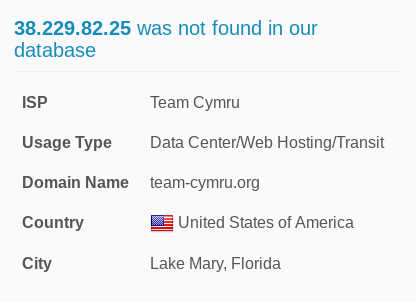
Credit: forum.torproject.org
Frequently Asked Questions
What Does Data Center Hosting Mean?
Data center hosting involves renting space in a facility to store and manage servers. It provides power, cooling, and security for optimal server performance. Businesses use data centers to ensure reliable uptime and data protection. This service is essential for handling large-scale IT infrastructure efficiently.
What Is An Idc Networking?
IDC networking refers to the infrastructure used in Internet Data Centers. It ensures seamless data transfer and communication. This network supports servers, storage, and other IT equipment. IDC networking is crucial for managing and distributing data efficiently. It provides a backbone for digital services and cloud computing.
What Is The Difference Between Data Center And Web Server?
A data center is a facility housing multiple servers for data storage and management. A web server hosts websites and serves web pages to users. Data centers support various applications, while web servers focus on delivering content online.
What Are The Three Main Components Of A Data Center Infrastructure?
A data center infrastructure comprises three main components: servers, networking equipment, and storage systems. Servers handle computing tasks, networking equipment ensures connectivity, and storage systems manage data. These elements work together to support efficient data processing and storage, forming the backbone of a data center’s operations.
Conclusion
Data Center Web Hosting Transit plays a vital role. It ensures efficient data transfer. This helps in maintaining smooth website operations. Choosing the right transit option is crucial. It impacts website speed and reliability. Always consider your hosting needs carefully.
Evaluate transit options based on your requirements. Remember, a good choice enhances user experience. It can also improve your website’s performance. Reliable transit leads to better uptime and service quality. Make informed decisions for your hosting needs. This will ensure your online presence stays strong and effective.


