
Imagine clicking on a link and waiting… And waiting. Frustrating, right?
The culprit could be your web hosting ping. This tiny number can make or break your online experience. But what exactly affects ping in web hosting? Understanding this is crucial, whether you’re managing a website or just browsing. You deserve a seamless experience, and knowing these factors can empower you to make informed choices.
Dive into the details and uncover how improving ping can enhance your digital life. Ready to transform your online journey from sluggish to supercharged? Let’s explore together!
Factors Influencing Ping
The strength of network infrastructure affects ping times. High-quality equipment reduces delays. Faulty components can cause slow connections. Stable networks offer better performance.
Server location impacts ping. Closer servers mean faster responses. Faraway servers take longer. Distance matters in online speed. Choose servers near your users for better performance.
Enough bandwidth is crucial for low ping. Limited bandwidth slows down data transfer. High bandwidth supports fast connections. Ensure your hosting offers ample bandwidth.
Crowded networks lead to high ping. Too many users slow down response times. Monitor traffic to avoid congestion. Optimize network use for better speed.

Credit: www.vectorstock.com
Hardware And Software Impact
Good server hardware is very important. Fast processors make servers quick. Enough RAM helps too. This lets the server handle many tasks at once. Solid State Drives (SSD) are better than old drives. They make data move fast. Network cards help with internet speed. They must be strong and quick. Cooling systems keep servers cool. Heat makes them slow.
Operating systems keep things running smooth. Linux is popular for servers. It is stable and secure. Windows is also used, but needs updates. Updates fix problems and keep systems safe. Configuration must be correct. Wrong settings make servers slow.
Correct software setup is key. Settings must be right. Good software helps servers work well. Security software protects data. It stops bad people from causing trouble. Database software manages data. It must be fast. Applications need proper setup. They must run smooth.
Isp And Routing Effects
The Internet Service Provider you choose can change your ping. Some ISPs have faster servers. Others might have slower ones. The speed of these servers affects how quickly data moves. Ping measures this speed. Choosing a good ISP can help keep ping low.
Routing paths are like roads for your internet data. Some roads are short. Others are long. Short paths help data move fast. Long paths can slow it down. Ping is better with short paths. Choose web hosting with smart routing. This keeps ping low.
Peering arrangements are deals between ISPs. These deals make data share faster. Shared data moves quick and keeps ping low. Good peering helps your web hosting. Choose hosting with strong peering deals. Keep ping fast and smooth.
Credit: www.liquidweb.com
Latency And Distance
The distance between a user and a server matters. Shorter distances mean less latency. Data travels faster when the server is nearby. A server far away can cause delays. This increases the ping time. Choosing a server close to users helps.
Fiber optic cables are faster than regular cables. They use light to send data. Light travels very fast. This reduces the ping. Many web hosts use fiber optic cables. This helps in sending data quickly. It improves the connection speed.
Subsea cables run under the ocean. They connect different countries. These cables carry huge amounts of data. They are very important for global internet. But, they can also affect ping time. Longer cables mean more travel time for data. This can increase delay.
Network Protocols
Transmission Control Protocol, or TCP, helps computers talk. It splits data into small pieces. These pieces travel through the internet. TCP ensures data arrives safely. It checks each piece for errors. If a piece is missing, TCP asks for it again. This makes TCP reliable but slower. It’s like sending a letter with a checklist. The sender checks each item.
User Datagram Protocol, or UDP, sends data quickly. It does not check for errors. UDP is faster but less reliable. It’s like a race car. Speed is more important than safety. UDP is used for video calls and games. These need fast data transfer.
ICMP stands for Internet Control Message Protocol. It helps diagnose network problems. ICMP sends error messages. It tells if data cannot reach its destination. ICMP is like a traffic cop. It alerts when a road is blocked. Ping uses ICMP to test connections. It sends a signal to check if another computer is reachable.
Traffic Management
Quality of Service is very important for ping. It helps control traffic flow. It ensures that important data gets priority. This reduces delays. It improves the user experience. Good Quality of Service keeps the network running smoothly. This is crucial for web hosting.
Traffic shaping controls the speed of data. It manages bandwidth. This prevents congestion. It helps maintain a stable connection. Proper traffic shaping ensures smooth data transfer. It plays a key role in maintaining low ping rates.
Load balancing distributes server load. It prevents overloading. Balanced loads keep ping times low. Effective load balancing improves server performance. It ensures servers handle traffic efficiently. This is vital for optimal web hosting.
Improving Ping Times
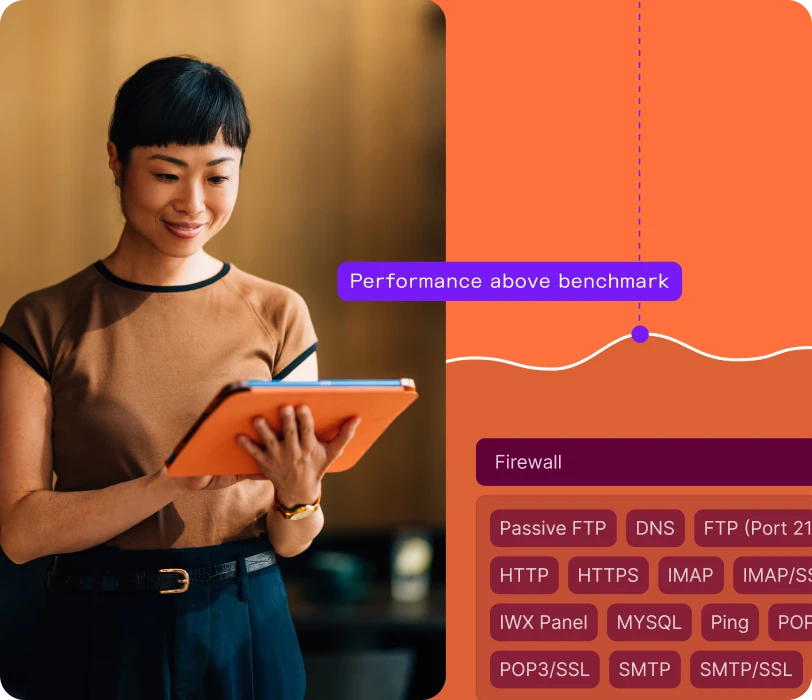
Network settings play a big role in ping times. Turning off background apps can help. They use bandwidth and slow things down. Simple changes can improve speed. Don’t forget to check firewall settings. Sometimes, they block important traffic. It’s worth checking them.
Old hardware can slow down ping times. New routers offer better speed. Better processors handle data quicker. Modern cables transmit data faster too. Small upgrades can make a big difference. Investing in better equipment boosts performance.
Hosting providers affect ping times. Look for providers with strong networks. Check their server locations. Closer servers mean faster ping. Customer reviews can offer insight. They show real experiences. Choose a provider wisely to ensure speed.
Credit: www.csschopper.com
Frequently Asked Questions
What Factors Influence Ping?
Network congestion, distance to server, and connection type influence ping. Hardware quality and software settings also impact ping times.
Why Is My Ping So High But I Have Good Internet?
High ping can occur due to network congestion, server distance, or background applications. Check your router, close unnecessary apps, and connect to nearby servers to reduce ping. Restarting your modem may also help.
Does Ping Depend On Server?
Yes, ping depends on the server location and its response time. A closer server usually results in lower ping. Server load and network conditions can also affect ping, making it higher or lower. A stable server connection ensures better gaming or browsing experiences.
What Is A Good Ping For A Website?
A good ping for a website is typically below 100 milliseconds. Faster ping times improve user experience and decrease loading time. Optimal ping helps ensure quick data transmission, enhancing website performance and user satisfaction. Aim for lower ping to boost SEO and maintain a competitive edge.
Conclusion
Understanding what affects ping in web hosting is crucial. It impacts website speed. Slow ping can frustrate users. Choose a reliable hosting provider. Optimize server settings. Monitor network conditions regularly. Use content delivery networks to reduce latency. Regular checks ensure smooth performance.
Fast ping enhances user experience. It’s essential for online success. Always aim for the best hosting solutions. Make informed decisions and improve website performance. Happy users stay longer. Lower ping equals better engagement. Keep these factors in mind. Your website will thrive with better hosting.


