
If you want to boost your solution sales, tapping into referrals and testimonials is one of the smartest moves you can make. Imagine having trusted voices vouching for your product or service—this instantly builds trust and makes your prospects more likely to say yes.
But how do you use these powerful tools the right way? You’ll discover simple yet effective strategies to turn your happy customers into your best sales advocates. By the time you finish reading, you’ll know exactly how to ask for referrals, showcase testimonials, and create a referral system that consistently drives new business your way.
Ready to turn word-of-mouth into your secret sales weapon? Let’s dive in.
Referral Basics
Referrals form the foundation of trust in solution sales. They connect you to new clients through existing satisfied customers. Understanding referral basics helps build a steady pipeline of prospects. This section breaks down the essential elements of referrals and how to use them well.
Why Referrals Matter
Referrals bring warm leads who already trust your brand. They shorten the sales cycle and lower acquisition costs. Customers gained through referrals often show higher loyalty. Positive word-of-mouth creates credibility that no advertisement can match. This makes referrals a key tool for solution sales success.
Types Of Referrals
Referrals can be formal or informal. Formal referrals happen through structured programs with incentives. Informal referrals arise naturally when customers share their experiences. Both types hold value but require different approaches. Identifying which type fits your sales process is important.
Referral Timing
Timing affects the impact of your referral request. Asking too early may feel pushy and harm relationships. The best time is after delivering value and gaining customer satisfaction. Follow up promptly while the experience is fresh. Proper timing increases the chance customers will gladly refer others.

Credit: www.getjobber.com
Gathering Testimonials
Gathering testimonials is a key step in building trust with potential customers. Genuine testimonials show real success stories. They create social proof that helps solution sales. Collecting these insights requires care and timing.
Knowing how and when to ask for testimonials makes a difference. Clear, polite requests encourage customers to share their true experiences. Honest feedback can highlight strengths and areas for growth. This section covers best practices for gathering testimonials effectively.
When To Ask
Ask for testimonials shortly after the customer experiences your solution. This is when their satisfaction is fresh. Avoid waiting too long, or the impact may fade. Right after a positive interaction is the perfect moment. Ensure the customer feels confident and happy with the results.
Crafting The Request
Keep your request simple and direct. Explain why their feedback matters to you. Use polite language that shows respect for their time. Make it easy by suggesting a few questions or topics. Personalize your message to reflect your relationship with the customer.
Encouraging Honest Feedback
Invite customers to share both positives and challenges. Honest feedback builds credibility with future buyers. Assure them their opinions are valued and will be used to improve. Avoid pressuring or guiding them toward only positive comments. Transparency strengthens trust in your solution.
Incorporating Referrals In Sales
Incorporating referrals in sales creates a powerful way to grow your business. Referrals build trust quickly and bring qualified leads. Customers who come through referrals often have higher conversion rates and show more loyalty. Using referrals effectively means creating a clear plan and nurturing relationships. Here are key steps to incorporate referrals in your solution sales process.
Referral Strategies
Start by identifying your best customers and happy clients. Ask them directly for referrals at the right moment. Timing matters—request referrals after delivering value or closing a deal. Make your referral requests simple and clear. Explain what kind of referrals you need. Offer small incentives or rewards to encourage participation. Track all referrals to measure success and improve your approach. Always thank customers for their referrals to keep goodwill strong.
Building A Referral Program
Create a structured referral program that is easy to join. Outline clear rules and rewards for both customers and partners. Use software tools to automate referral tracking and communication. Promote the program through emails, social media, and your website. Keep the program transparent to build trust and encourage more participation. Regularly update and improve your referral program based on feedback and results.
Leveraging Customer Relationships
Focus on building strong, long-term relationships with customers. Listen carefully to their needs and solve their problems. Satisfied customers feel more comfortable recommending your solutions. Stay in contact through follow-up emails and check-ins. Share success stories and case studies that show your value. Personalize your communication to make customers feel appreciated. Happy customers become your best referral sources over time.
Using Testimonials Effectively
Testimonials build trust by showing real customer experiences. Using them well can boost your solution sales. They act as proof that your product or service works. Presenting testimonials clearly and strategically helps potential buyers decide faster.
Showcasing On Sales Materials
Add testimonials to brochures, flyers, and product sheets. Use short, powerful quotes that highlight key benefits. Place them near product details or pricing to reinforce value. Include the customer’s name and company for authenticity. Visuals like photos or logos increase credibility and catch attention.
Integrating In Presentations
Include testimonials in your sales decks to support your claims. Use them to break up text and add real-world examples. Share stories that match the audience’s challenges and goals. Use direct quotes or brief video clips for impact. This keeps presentations engaging and trustworthy.
Sharing On Digital Channels
Post testimonials on your website’s homepage and product pages. Share them regularly on social media platforms to reach more people. Create dedicated testimonial pages with detailed success stories. Use email newsletters to highlight customer feedback. This spreads positive experiences and attracts new leads.
Maximizing Impact
Maximizing the impact of referrals and testimonials is key to boosting solution sales. Effective use of these tools builds trust and opens doors to new clients. Focused strategies help turn satisfied customers into active promoters. This section covers practical ways to enhance your referral and testimonial efforts.
Personalizing Referral Requests
Make each referral request personal. Use the customer’s name and mention specific details about their experience. Explain why their referral matters to your business. Clear and direct requests increase the chance of positive responses. Avoid generic messages that feel like spam. Show genuine appreciation for their support.
Offering Incentives
Incentives motivate customers to refer others. Offer discounts, freebies, or exclusive access as rewards. Ensure incentives are valuable but simple to claim. Avoid complicated rules that may confuse customers. Incentives should feel like a thank you, not a bribe. This encourages honest and enthusiastic referrals.
Maintaining Consistent Follow-up
Follow up regularly but respectfully. A timely reminder can prompt action without annoyance. Use email or phone calls to check in after a referral request. Share updates on how their referral helped your business. Consistent follow-up shows you value their effort. It also keeps your brand fresh in their mind.
Avoiding Common Pitfalls
Referrals and testimonials can boost solution sales effectively. Still, misuse may harm your reputation and relationships. Avoiding common pitfalls ensures trust stays strong. Here are key areas to focus on.
Respecting Customer Privacy
Always ask permission before sharing customer details. Never expose sensitive information without consent. Use testimonials that customers approve publicly. Protect personal data to build trust. Keep communication clear about how you will use referrals.
Handling Negative Feedback
Negative feedback is valuable for improvement. Address concerns politely and quickly. Do not ignore or delete honest reviews. Show willingness to fix issues openly. Use negative feedback to enhance your product and service.
Preventing Overuse
Do not rely solely on referrals and testimonials. Overusing them can seem pushy or fake. Balance them with other sales strategies. Keep requests for referrals natural and occasional. Respect customers’ time and willingness to share.
Measuring Success
Measuring success is key to knowing if your referral and testimonial efforts pay off. Without tracking results, you cannot improve your sales approach. This section explains how to measure the impact of referrals and testimonials on solution sales. You will learn how to track sources, evaluate influence, and adjust your strategies for better outcomes.
Tracking Referral Sources
Identify where your referrals come from. Use unique codes, links, or forms to track each source. This data shows which customers or partners bring the most leads. Keep a record of referral dates and outcomes. Tracking helps focus your efforts on the best referral channels.
Evaluating Testimonial Influence
Check how testimonials affect buyer decisions. Measure changes in inquiry rates or conversion after sharing testimonials. Use surveys or feedback forms to ask prospects about their views. Analyze which testimonials build the most trust. Clear evidence proves testimonials add value to your sales process.
Adjusting Strategies
Use data from tracking and evaluations to refine your approach. Drop ineffective referral sources and boost successful ones. Update testimonials to highlight the most convincing points. Test different ways to ask for referrals and share testimonials. Continuous adjustments improve overall sales performance.

Credit: www.adience.com
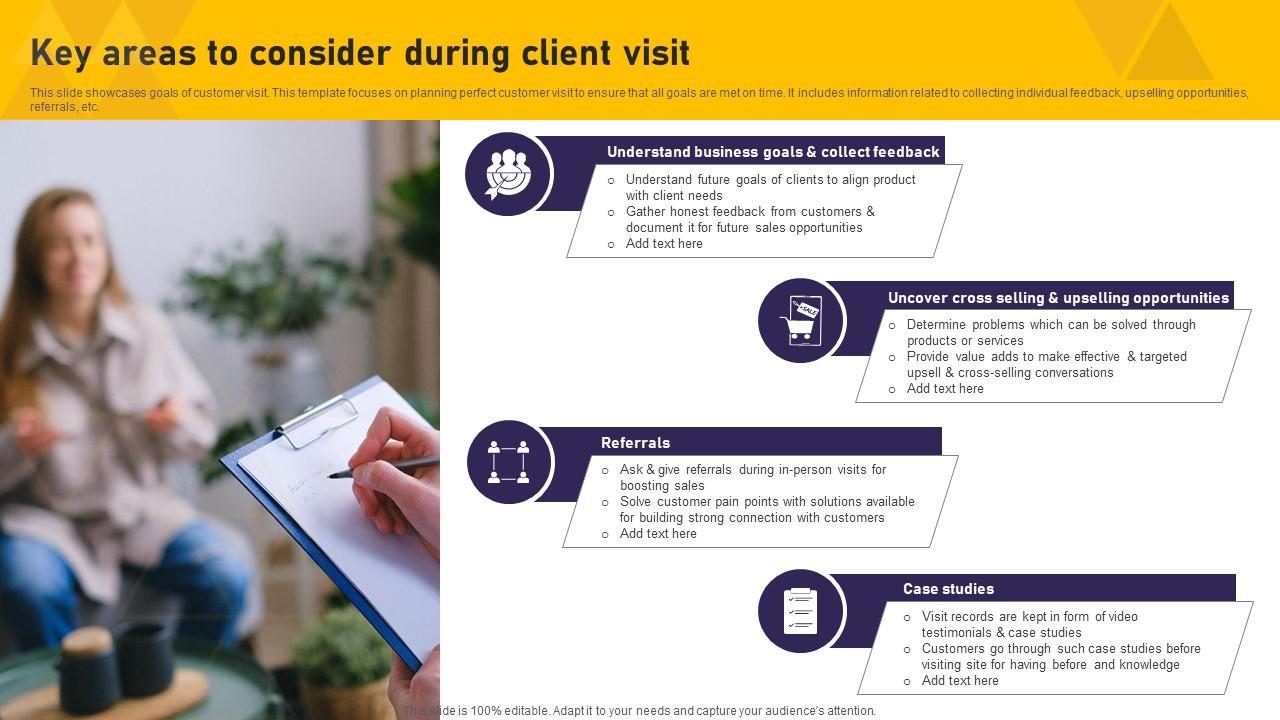
Credit: www.slideteam.net
Frequently Asked Questions
What Is The 10 3 1 Rule In Sales?
The 10 3 1 rule in sales means contacting 10 prospects, having 3 meaningful conversations, and closing 1 sale. It improves efficiency and focus.
What Are The 4 C’s In Sales?
The 4 C’s in sales are Customer, Cost, Convenience, and Communication. They focus on buyer needs and value.
What Is The 2 2 2 Rule In Sales?
The 2 2 2 rule in sales means contacting a prospect twice, following up twice, and spacing contacts two days apart.
How To Effectively Use Testimonials?
Place testimonials prominently on your website and marketing materials. Use authentic, specific quotes that highlight benefits. Update regularly to build trust. Combine with case studies for stronger impact. Encourage customers to share detailed feedback to enhance credibility and attract new clients effectively.
Conclusion
Referrals and testimonials build trust with potential buyers. Use them early in your sales process. Ask customers clearly and politely for their referrals. Share real stories that show how your solution works. Keep your requests simple and specific every time.
This approach helps your prospects feel confident and valued. Remember, consistency in using referrals leads to steady sales growth. Start applying these tips today to see real results.


