
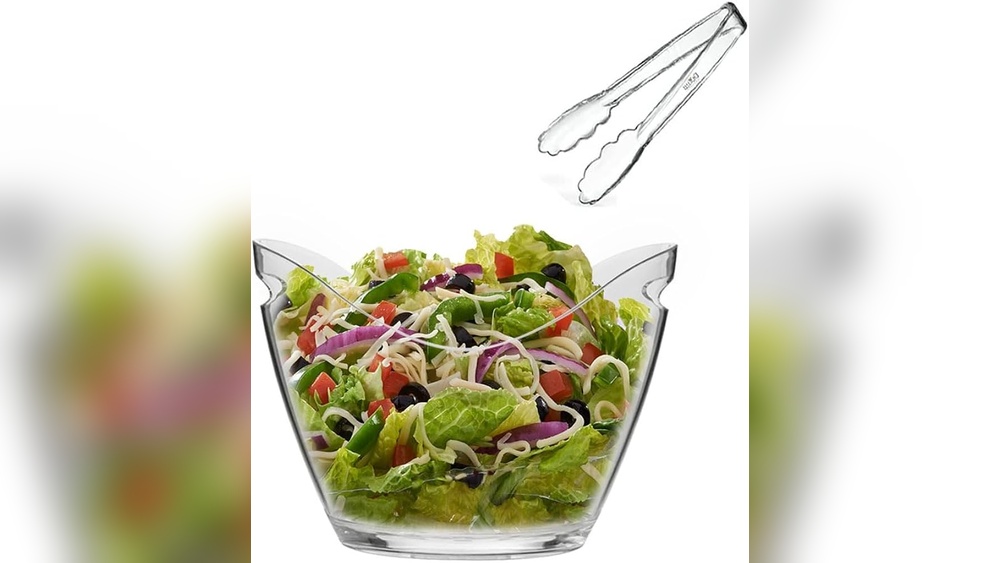
Is salad a solution? At first glance, this might seem like a simple question about your lunch, but it actually touches on something more interesting—how things mix and come together.
When you look at a bowl of salad, you see distinct ingredients like lettuce, tomatoes, and cucumbers, each keeping its own shape and flavor. So, is this just a mix of parts, or is it something more uniform like a solution?
Understanding this can change how you think about what you eat and how food works. Keep reading to discover the surprising science behind your salad and why it matters to you.
Salad As A Mixture
A salad is a classic example of a mixture rather than a solution. It consists of various ingredients combined without forming a uniform substance. Each component keeps its original properties and can be seen clearly. Understanding salad as a mixture helps clarify its nature in everyday life and science.
Heterogeneous Nature
A salad is heterogeneous because its parts are not evenly spread. Different ingredients like lettuce, tomatoes, and cucumbers create varied textures and colors. Each piece remains separate and distinct, making the mixture uneven. This is different from a solution where everything blends completely.
Visible Components
In a salad, you can easily spot all the ingredients. The pieces of vegetables and toppings stand out clearly. This visibility shows that no ingredient dissolves or hides inside another. The clear presence of each part confirms the mixture’s non-uniformity.
Separation Of Ingredients
The ingredients in a salad can be separated easily by hand or tools. You can pick out the tomatoes or remove the cucumbers without difficulty. This ability to separate parts highlights the salad’s nature as a mixture, not a solution. No chemical change binds the ingredients together.
Salad Dressing Types
Salad dressings come in many types. Each type has a unique way of mixing ingredients. Understanding these types helps to see if salad dressings are solutions or mixtures. The science behind salad dressings is simple but interesting. It shows how liquids and solids can combine in different ways.
Suspensions Explained
Suspensions have large particles that do not dissolve. These particles float or settle in the liquid. Many salad dressings, like oil and vinegar, are suspensions. You can see the layers separate after sitting for a while. The particles stay mixed only when shaken.
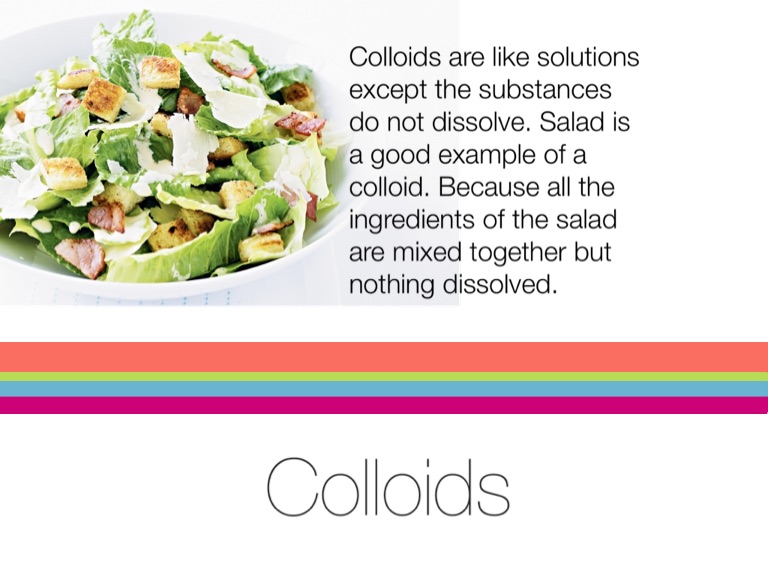
Colloids And Solutions
Colloids have smaller particles than suspensions but bigger than solutions. These particles do not settle out quickly. Some creamy dressings are colloids because they stay mixed without separating. Solutions have very small particles that dissolve completely. They look uniform and do not separate.
Oil And Vinegar Separation
Oil and vinegar dressings are classic examples of suspensions. Oil floats on top because it is less dense than vinegar. They do not mix naturally and separate into two layers. Shaking mixes them temporarily. Over time, the oil and vinegar separate again.
Health Benefits Of Salad
Salads offer many health benefits that support a balanced diet. They provide essential nutrients in a fresh and tasty way. Eating salad regularly can improve overall well-being and help maintain a healthy lifestyle.
Nutrient-rich Ingredients
Salads contain a variety of vegetables and fruits rich in vitamins and minerals. Leafy greens like spinach and kale provide iron and calcium. Colorful vegetables add important nutrients like vitamin C and potassium. These ingredients help the body function well and stay strong.
Fiber And Digestion
Fiber in salad ingredients aids digestion and promotes gut health. It helps food move smoothly through the digestive system. Fiber also helps prevent constipation and supports a healthy weight. Eating salads can keep your digestive system working properly.
Antioxidants And Vitamins
Many salad ingredients contain antioxidants that protect cells from damage. Vitamins like A, C, and E boost the immune system. These nutrients help fight illness and keep skin healthy. Including salads in meals supports the body’s defense against harmful elements.

Credit: hellonutritarian.com
Salad’s Role In A Healthy Diet
Salads play an important role in a healthy diet. They offer fresh vegetables and fruits that provide essential nutrients. Eating salads can help improve overall health and support body functions. Their natural ingredients make them a smart choice for anyone aiming for better nutrition.
Weight Management
Salads are low in calories but high in fiber. Fiber helps you feel full longer and reduces overeating. Including salads in meals can control hunger and help maintain a healthy weight. They provide volume without adding many calories.
Hydration And Detoxification
Many salad ingredients, like cucumbers and lettuce, have high water content. This helps keep the body hydrated throughout the day. Drinking enough water supports natural detoxification by flushing out toxins. Eating salads can contribute to better hydration and cleaner systems.
Meal Versatility
Salads can be customized with different ingredients and dressings. They work as a side dish or a main meal. You can add proteins like chicken, beans, or nuts to increase nutrition. This flexibility makes salads easy to fit into any diet plan.
Common Salad Mistakes
Salads often seem like a healthy choice. Many people believe they are the perfect solution for a quick, nutritious meal. Yet, common mistakes can turn a salad from healthy to unhealthy. Understanding these errors helps in making better salad choices. Avoiding these pitfalls ensures salads support your health goals.
High-calorie Dressings
Dressings add flavor but can add many calories. Creamy and oily dressings often contain hidden fats. These fats increase the calorie count quickly. Using large amounts of dressing can ruin a salad’s health benefits. Choose light or vinegar-based dressings to keep calories low. Measure dressing portions to avoid overeating.
Overloading With Ingredients
Too many ingredients can overwhelm a salad. Piling on cheese, croutons, and bacon increases calories and fat. This makes the salad less healthy and harder to digest. Stick to fresh vegetables and fruits for better nutrition. Balance flavors without adding heavy or processed toppings.
Lack Of Protein
Protein is essential for a balanced salad. Without it, salads may not keep you full for long. Add lean meats, beans, or nuts to boost protein content. Protein helps maintain muscle and supports energy levels. Including protein makes the salad a complete meal.

Credit: www.instacart.com
Making Salad A Daily Habit
Making salad a daily habit can improve your health and energy. Salads are quick to prepare and full of nutrients. Eating them regularly helps you consume more vegetables and fiber.
Small changes in your routine can make salad a natural part of your day. The key is to keep it simple and enjoyable. Here are some ideas to help you start and stick with this healthy habit.
Simple Recipes
Start with easy salad recipes. Use fresh lettuce, tomatoes, and cucumbers. Add a protein like grilled chicken or beans for fullness. Use a light dressing like olive oil and lemon juice. Keep recipes with few ingredients to save time and reduce waste.
Prepping Tips
Prepare salad ingredients ahead of time. Wash and chop vegetables in batches. Store them in airtight containers in the fridge. Pre-make dressings and keep them ready. This reduces effort and makes salad assembly fast on busy days.
Incorporating Variety
Change your salad ingredients often to avoid boredom. Use different greens like spinach or arugula. Add colorful vegetables such as carrots, peppers, or beets. Include nuts, seeds, or fruits for texture and flavor. Variety boosts nutrient intake and keeps meals exciting.
Credit: flowvella.com
Frequently Asked Questions
Is Salad A Mixture Or Solution?
A salad is a heterogeneous mixture because its ingredients are distinct and can be easily separated. It is not a solution.
What Are 5 Examples Of Solutions?
Five examples of solutions include saltwater, sugar dissolved in tea, air, vinegar, and brass (an alloy). These mixtures have uniform composition throughout.
What Is A Salad Considered?
A salad is a heterogeneous mixture with distinct, visible ingredients. Its components do not dissolve or blend uniformly. You can easily separate each part, like lettuce, vegetables, and dressing. This makes salad different from a homogeneous solution, where substances mix evenly at the molecular level.
Is Salad Dressing A Solution?
Salad dressing is not a solution. It is a suspension because oil and vinegar separate over time and do not mix uniformly.
Conclusion
Salads show how mixtures work in daily life. They are not solutions because ingredients stay separate. Each part keeps its shape and taste. Dressings often separate too, proving they mix unevenly. Understanding this helps in science and cooking. Salads remind us that some mixtures don’t blend fully.
They offer variety in texture and flavor together. So, salads are a great example of mixtures, not solutions.


