
Imagine you’re browsing your favorite website, and suddenly, everything slows down. Pages take forever to load, videos buffer endlessly, and your patience is tested.
Frustrating, isn’t it? The culprit is often bandwidth. When it comes to web hosting, understanding bandwidth is crucial. It’s the invisible force that can make or break your site’s performance. But what does bandwidth really mean for web hosting, and why should you care?
Let’s dive in and explore how bandwidth impacts your online presence, and what you can do to ensure your website runs smoothly, keeping your visitors engaged and happy. Your website’s success might depend on it, so let’s unravel the mystery of bandwidth together.
Bandwidth Basics
Bandwidth is the amount of data that can move. It travels from one point to another. Think of it like a highway. More lanes mean more cars can travel. In web hosting, bandwidth shows data that moves between a website and users. High bandwidth means quicker and smoother data transfer. This is important for a better user experience.
Bandwidth is measured in bits per second. Often, you’ll see it as megabits per second (Mbps). The higher the number, the more data can transfer quickly. This is key for websites with many visitors. More visitors need more bandwidth. A site with low bandwidth can be slow. This can frustrate users and make them leave.
Role In Web Hosting
Bandwidth measures the amount of data sent over the internet. It is like a road. The wider the road, the more cars can travel. For websites, higher bandwidth means more data can move at once. This is important for sites with many visitors. Without enough bandwidth, sites can become slow.
Websites need good performance to keep visitors happy. High bandwidth helps pages load faster. If a site is slow, visitors may leave. This can hurt a site’s popularity. Ensuring enough bandwidth is key for success. It helps a site run smoothly. This keeps users coming back.
User experience is how visitors feel about a site. Fast loading pages create a good experience. Slow pages frustrate users. They might not return. Enough bandwidth helps ensure speed. This makes users happy. A happy user is more likely to visit again. Good experience leads to trust. Trust is important for any website.
Bandwidth Allocation
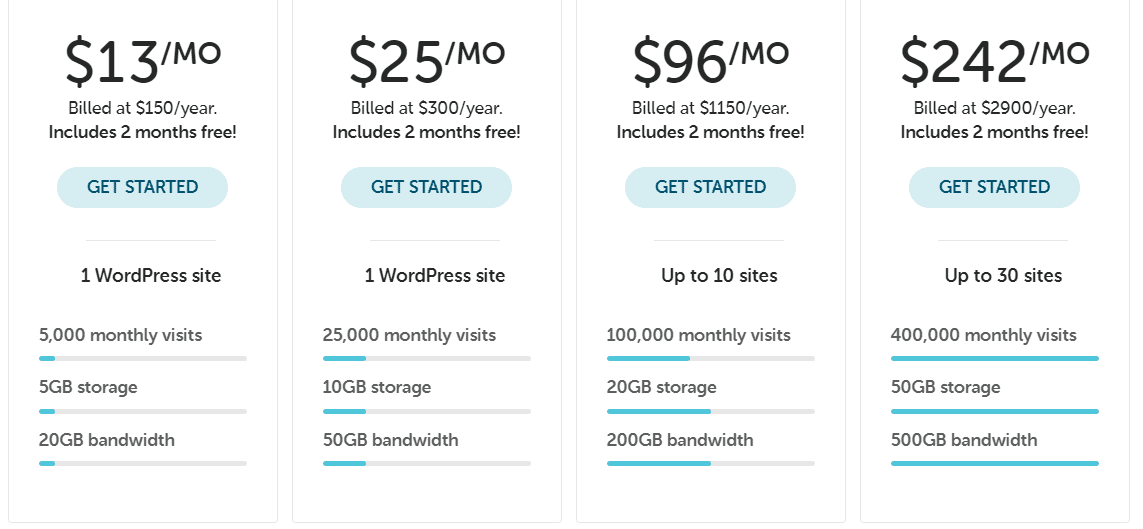
Bandwidth is the amount of data your site uses. This affects how fast your site loads. Shared hosting means many sites use the same server. Each site gets a part of the bandwidth. If one site uses too much, others slow down. Dedicated hosting gives one site all the bandwidth. This means faster speeds and better performance. It costs more but is often worth it.
Shared hosting is cheaper. Many sites share one server. Each site gets less bandwidth. If one site gets busy, others slow down. Dedicated hosting gives one site all the bandwidth. This means better speed and reliability. It’s more expensive but worth it for busy sites.
Some hosts offer unlimited bandwidth. This means no extra charges for high traffic. Unlimited plans often have limits. They might slow down if your site gets too busy. Read the fine print. Understand what unlimited means for your site. Choose wisely based on your needs.
Credit: www.elegantthemes.com
Factors Influencing Bandwidth Needs
Website traffic plays a big role in bandwidth needs. More visitors mean more data is used. Each visitor downloads images, videos, and text. This uses bandwidth. Websites with high traffic need more bandwidth. Low traffic websites use less. It’s like a busy road. More cars mean more space is needed.
Different content types affect bandwidth. Images and videos need more bandwidth than text. A site with many images uses more bandwidth. Videos use even more. Simple text uses the least. Think of it like food. A big meal needs a bigger plate. So, sites with rich media need more space. Plan your content wisely.
Monitoring Bandwidth Usage
Understanding bandwidth in web hosting helps track data transfer between your site and visitors. Regular monitoring prevents slow website performance. Stay informed to ensure a seamless online experience for users.
Tools For Tracking
Many tools help track bandwidth usage. These tools show how much data is used. Some tools are free. Others might cost money. Popular tools include NetFlow Analyzer and PRTG Network Monitor. They are easy to use. These tools help prevent overuse. They alert you when usage is high. This saves money. It keeps your website running smooth. Choose the tool that fits your needs best.
Signs Of Bandwidth Overuse
Slow website loading is a sign. Another sign is frequent downtime. This means your website goes offline often. High data costs can also be a sign. Websites may crash due to overuse. This frustrates visitors. It could lead to losing customers. Watch for these signs. Fix them quickly to avoid problems. Keeping an eye on bandwidth is important. It ensures your site runs well.
Credit: www.elegantthemes.com
Optimizing Bandwidth
Bandwidth in web hosting refers to the amount of data transferred between a website and its users. Optimizing it ensures faster loading times and better performance, enhancing user experience and reducing costs. Efficient bandwidth management is crucial for maintaining a smooth and reliable website operation.
Reducing Data Load
To keep your site fast, reduce the data load. Smaller image sizes help. Use tools to compress images. Text can be optimized too. Minimize large files. Make sure your code is clean. Unnecessary spaces and lines slow things down. Use CSS for styling. It helps to load the page faster.
Efficient Content Delivery
Content delivery is key. Use a CDN, or Content Delivery Network. This helps send data faster. It stores copies of your site in many places. Users get the nearest copy. This makes your site load quicker. Choose reliable hosting providers. Good providers ensure fast data delivery. They help keep your site up and running.
Choosing The Right Plan
Bandwidth is important for web hosting. How much data will your site use? Think about traffic. More visitors need more bandwidth. Videos and images use lots of data. Simple text sites use less. Estimate your needs based on your site’s content. Understand your audience. Are they local or global? Higher bandwidth may be needed for global reach. Choose wisely to avoid slow site speed.
Different providers offer different plans. Some have unlimited bandwidth. Others limit the data. Compare costs and features. Look for reliability and support. Read reviews. Check uptime guarantees. Customer service is key. Make sure help is available. Compare prices but don’t forget quality. Cheap plans can be risky. Balance cost with service. Choose a provider that matches your needs.
Credit: www.bitcatcha.com
Frequently Asked Questions
What Is Bandwidth In Web Hosting?
Bandwidth in web hosting refers to the data transfer capacity between your website and its users. It determines how much data can be sent and received within a specific period. Higher bandwidth allows more visitors and faster access to content, enhancing website performance and user experience.
How Much Bandwidth Do I Need To Host A Website?
Website bandwidth needs vary. For a small site, 10GB monthly is usually sufficient. Larger sites may require more. Consider traffic, media content, and future growth. Always monitor usage and adjust as needed.
What Is Good Bandwidth For A Website?
A good bandwidth for a website typically ranges from 5 to 10 Mbps for small to medium sites. High-traffic sites may need 50 Mbps or more. Adequate bandwidth ensures fast loading times and smooth user experience. Assess your website’s needs based on traffic and content type.
Is 100gb Bandwidth Enough For A Website?
100GB bandwidth is typically sufficient for small to medium websites. It supports moderate traffic and content. Large media files or high traffic sites may need more. Monitor usage to avoid unexpected overages. Always consider future growth when evaluating bandwidth needs.
Conclusion
Bandwidth in web hosting is crucial for your site’s performance. It determines how much data your site can handle. More bandwidth means smoother user experiences. Websites with high traffic need more bandwidth. Choosing the right plan is essential. Understand your needs first.
This ensures your site runs efficiently. Regularly monitor your site’s traffic patterns. Adjust your hosting plan as needed. This helps avoid slowdowns and downtime. Remember, a reliable hosting provider makes a difference. Keep your website fast and user-friendly. In the end, optimal bandwidth supports your online success.


