Are you wondering if your company can host its own training content on online platforms? You’re not alone.
Many businesses want to take control of their training materials, ensuring they fit perfectly with their goals and culture. Hosting your own content means you decide how it’s delivered, who accesses it, and when. But is it really that simple?
What are the benefits, and what challenges might you face? Keep reading to discover everything you need to know about hosting your own training content online—and how it could transform your team’s learning experience.
Credit: www.trainercentral.com
Benefits Of Hosting Your Own Training Content
Choosing the right platform to host training content is vital for companies. The platform affects user experience, management, and content delivery. Popular platforms offer features that meet different business needs. They help companies share knowledge easily and track learning progress.
Learning Management Systems (lms)
Learning Management Systems are designed to create, deliver, and manage training content. LMS platforms support quizzes, certificates, and learner tracking. They simplify course organization and progress monitoring. Examples include Moodle, TalentLMS, and Docebo. These systems work well for structured training programs and large groups.
Ott Platforms And Video Hosting Services
OTT platforms and video hosting services focus on video content delivery. They allow companies to upload, stream, and share training videos easily. Popular choices are YouTube, Vimeo, and Wistia. These platforms offer good video quality and accessibility on many devices. They suit companies using mostly video-based training materials.
Self-hosted Website Options
Self-hosted websites give companies full control over their training content. They can customize the site’s look and features freely. WordPress with LMS plugins like LearnDash is a common solution. This option requires more technical setup and maintenance. It fits companies wanting a unique, branded training environment.
Popular Platforms For Hosting Training
Hosting training content on online platforms involves more than just uploading videos or materials. Legal and compliance factors play a crucial role in protecting companies and learners. Companies must follow laws and regulations to operate smoothly and avoid penalties. These factors cover business registration, data privacy, and consumer rights. Understanding these rules ensures trust and safety for all users.
Business Registration And Licenses
Companies must register their business before hosting training content online. This process gives the business a legal identity. Many regions require specific licenses for selling online courses. Without proper registration, companies risk fines or shutdowns. Registering helps companies pay taxes correctly and build credibility. It also protects the business owner from personal liability in many cases.
Data Privacy And Security
Protecting user data is a legal obligation for companies hosting online training. Personal information like names, emails, and payment details must be secure. Laws such as GDPR and CCPA set strict rules on data handling. Companies must use encryption and secure servers to protect data. They should also have clear privacy policies explaining data use. Failing to protect data can lead to legal action and loss of trust.
Refund Policies And Consumer Protection
Clear refund policies are important for customer trust and legal compliance. Companies must state refund terms before users buy courses. These policies should explain when and how refunds happen. Many countries have consumer protection laws that apply to online sales. Companies must follow these laws to avoid disputes and penalties. Offering fair refund options improves customer satisfaction and loyalty.
Key Features To Consider
Creating and launching online training content requires careful planning and execution. Companies must follow clear steps to build an effective learning platform. This helps ensure the training meets learners’ needs and runs smoothly.
The process starts with setting up the technical base. Then, course content must be designed thoughtfully. Finally, payment and monetization options need integration for revenue generation. Each step plays a key role in the success of the training program.
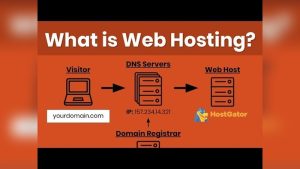
Choosing A Domain And Hosting Service
Select a domain name that is simple and relevant to your company. The domain should reflect the training’s purpose or brand clearly.
Pick a reliable hosting service with good speed and uptime. This ensures learners have smooth access without interruptions.
Consider platforms that support multimedia content like videos and quizzes. They enhance the learning experience and keep users engaged.
Designing Course Content
Create content that is clear and easy to understand. Use short sentences and simple words to reach a wider audience.
Divide the material into modules or lessons to make it manageable. Include visuals like images and videos to explain concepts better.
Add quizzes and assignments to test knowledge and keep learners active. Interactive elements help improve retention and engagement.
Integrating Payment And Monetization
Set up secure payment gateways to accept fees smoothly. Options like PayPal and credit cards work well for most users.
Choose a pricing model that fits your training goals, such as one-time payments or subscriptions. Clear pricing helps build trust with learners.
Use tools that handle taxes and refunds automatically to reduce your workload. This keeps the payment process simple and professional.

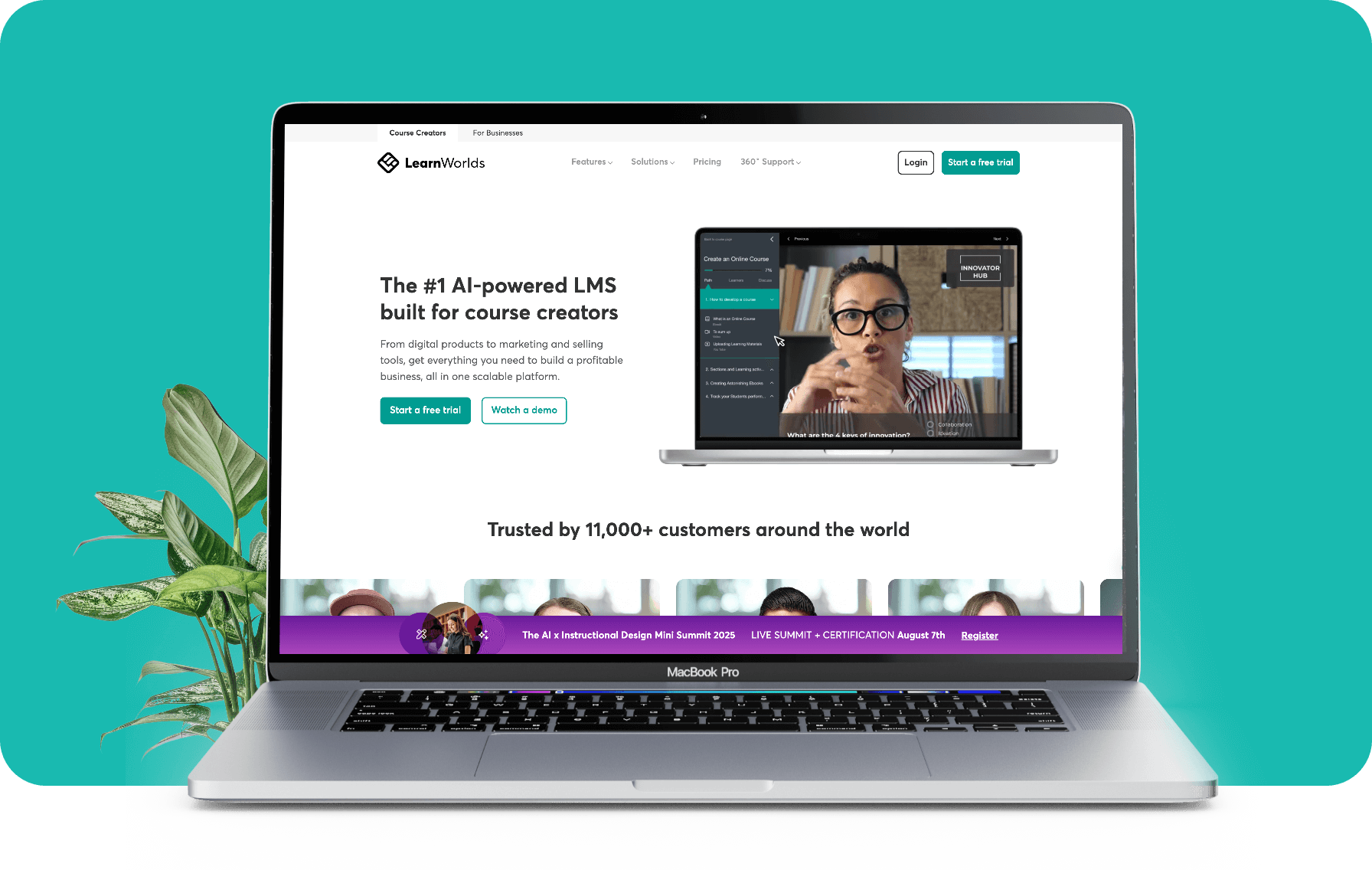
Credit: www.learnworlds.com

Credit: zapier.com
Frequently Asked Questions
How To Create An Online Training Platform?
Choose a domain name and create your eLearning website. Develop courses with videos and quizzes. Integrate payment options to monetize. Use reliable hosting or LMS platforms for smooth delivery. Promote your platform to attract learners.
Do I Need An Llc To Sell Courses Online?
No, you don’t need an LLC to sell courses online. Operating as a sole proprietor is common. An LLC offers legal protection and may simplify taxes. Ensure you comply with business registration, tax laws, and consumer protection rules regardless of your structure.
Who Creates Training Content?
Training content is created by skilled content developers who design instructional materials like eLearning, videos, and presentations.
Are Webinars Considered Training?
Yes, webinars are considered training as they deliver live or recorded educational content online. They support interactive learning and skill development effectively.
Conclusion
Hosting training content on online platforms gives companies control and flexibility. They can customize courses to fit their needs and brand. Online platforms also make training accessible anytime, anywhere. This helps employees learn at their own pace and improves engagement.
Companies save money by avoiding travel and venue costs. Still, choosing the right platform matters for ease and security. Creating quality content takes effort but pays off in better skills. Overall, hosting training online supports growth and helps businesses stay competitive.
Simple, clear, and well-planned online training brings real benefits.