Finding your train platform early can save you from last-minute stress and rushing through crowded stations. You want to be relaxed and ready when your train arrives, but with busy stations and changing schedules, it’s not always easy to know where to go right away.
What if you could discover simple, effective ways to pinpoint your platform well before departure? You’ll learn practical tips and insider tricks to find your train platform early, stay ahead of announcements, and make your travel experience smooth and hassle-free.
Keep reading to unlock the secrets that will make catching your train a breeze every time.
Plan Arrival Time
Planning your arrival time at the train station helps you find your platform early. It reduces stress and gives time to navigate the station. Good timing ensures you catch your train without rushing. Different stations and travel needs require different arrival times. Below are guidelines to help you plan well.
Standard Arrival Guidelines
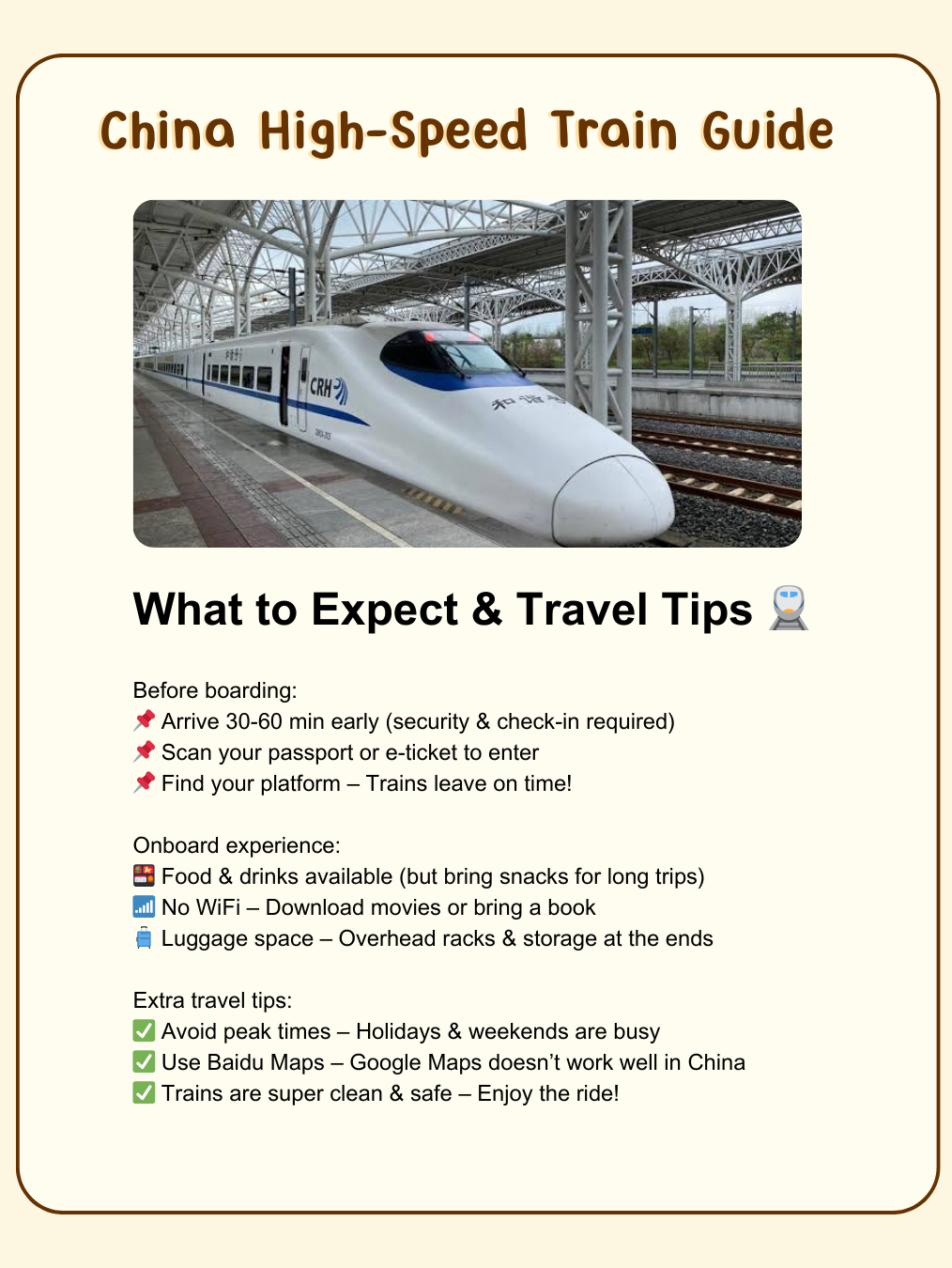
Arrive at least 30 minutes before your train’s departure. This works well for small to medium stations. Passengers with carry-on luggage usually find this enough time. You can check departure boards and find your platform. It allows time for ticket checks and security.
Adjustments For Busy Stations
Large stations need more time to navigate. Arrive 45 to 60 minutes early at places like New York Penn Station. Crowds and long walking distances take extra time. Holidays and weekends often increase passenger numbers. Extra time helps avoid missing announcements or your train.
Special Assistance Considerations
Passengers needing help must plan for more time. Arrive at least 60 minutes early if you need wheelchair or mobility aid services. Staff may need time to assist you to the train. Booking assistance in advance also requires early arrival. This ensures a smooth boarding process without rushing.
Use Official Apps
Using official train apps helps you find your platform early. These apps provide accurate, up-to-date information. They reduce the stress of searching for the right platform. By checking these apps, you can save time at the station. Many apps also send alerts to keep you informed about changes.
Real-time Platform Updates
Official apps show real-time platform changes. Train platforms can change last minute. Apps update instantly to reflect these changes. This helps you avoid running to the wrong platform. You get clear, live details on your train’s location and platform.
Enabling Trip Notifications
Turn on notifications in the app for your trip. You receive alerts about delays or platform switches. Notifications arrive on your phone or email quickly. This keeps you prepared and relaxed at the station. No need to constantly check screens or ask staff.
Popular Apps To Download
Many trusted apps provide train platform info. Amtrak’s official app is great for US travel. National Rail Enquiries works well in the UK. Apps like Trainline offer platform updates across Europe. Download one before your trip for smooth travel.
Read Station Signage
Reading station signage is key to finding your train platform early. Clear signs guide you through busy stations. They help avoid confusion and save time. Paying attention to signs makes your journey smoother. This section explains how to read different types of station signage effectively.
Locating Platform Displays
Platform displays show real-time train details. Look for large screens near station entrances. These displays list train numbers, destinations, and platform numbers. Check them often for updates. Digital boards often change quickly. Stay alert to spot your train’s platform early. This helps you move without delay.
Understanding Announcement Systems
Stations use loudspeakers to announce train arrivals. Listen carefully to these announcements. They often mention platform numbers and departure times. Some stations repeat announcements in several languages. If you miss one, wait for the next. Announcements confirm what displays show. Trust both signs and announcements for accuracy.
Finding Instructions At Unstaffed Stations
Unstaffed stations rely on signs and kiosks. Look for posted instructions near entrances or ticket machines. Signs explain where to wait and how to board. Some stations use automated voice systems. Follow these instructions closely to avoid errors. If unsure, observe where other passengers gather. Their actions can guide you to the correct platform.
Credit: us.trip.com
Check Online Resources
Finding your train platform early saves time and stress. Online resources give quick, updated info about platforms. Use them before you reach the station to plan better. These tools help travelers stay informed and avoid last-minute rushes.
Train Tracker Websites
Train tracker websites show live train locations and schedules. They update platform info as soon as it changes. Enter your train number or route to see where your train will arrive. This helps you know your platform well before the train reaches the station.
Social Media And Forums
Social media platforms often share real-time updates from passengers and staff. Forums allow travelers to discuss platform details and delays. You can ask questions or read others’ experiences to get tips on finding platforms early. These sources offer useful info not always found on official sites.
Platform Finder Tools
Platform finder tools are apps or websites designed specifically for locating train platforms. They use station maps and schedules to guide you directly to the correct platform. Some tools even show walking routes inside large stations. These tools make it easy to plan your arrival and find your train without stress.
Arrive Early At Large Stations
Arriving early at large train stations gives you a calm start to your journey. Big stations can be confusing and crowded. Finding your platform takes time. Early arrival means you avoid rushing and stress. You get time to check signs, ask staff, and settle in before boarding. This habit helps especially in busy hubs or during peak travel times.
Examples Of Busy Hubs
Big train stations like New York Penn Station, London King’s Cross, and Chicago Union Station are always busy. These stations have many platforms and routes. It can be hard to find your train quickly. Arriving 30 to 60 minutes early gives you enough time to navigate these large spaces. It also helps you spot important signs and announcements easily.
Holiday And Peak Time Tips
During holidays and rush hours, stations get very crowded. Trains may arrive or depart from different platforms than usual. Arriving early here is even more important. It allows you to check updates on boards or from staff. This reduces the risk of missing your train or getting lost in the crowd. Plan for extra time on busy travel days.
Navigating Crowds Efficiently
Large stations can feel overwhelming with many travelers. Move calmly and keep your ticket or app ready. Look for digital boards showing train times and platform changes. Follow signs clearly marked for your train line. If unsure, ask station staff early. Avoid blocking walkways and stay alert to announcements. Early arrival means you can move without hurry or confusion.
Locate Your Coach Position
Knowing your coach position helps you find your spot on the train quickly. It saves time and reduces stress at busy stations. This way, you can board calmly and avoid confusion.
Understanding Coach Numbers
Each train coach has a unique number. This number matches the one on your ticket. Coaches are arranged in order along the platform. Look for signs or digital displays showing coach numbers. This helps you spot your coach’s location faster.
Waiting In Designated Sections
Stations often mark waiting areas by coach numbers. Stand in the section that matches your coach number. It keeps passengers organized and helps the boarding process run smoothly. Stay close to your coach’s spot to board easily when the train arrives.
Avoiding Last-minute Rush
Arrive early and find your coach position before the train arrives. This prevents pushing and crowding near the doors. Boarding early means you get settled quickly. Avoid standing in crowded areas far from your coach number.
Prepare For Special Cases
Special travel situations require extra preparation to find your train platform early. These cases may involve unique boarding rules, border checks, or mobility assistance. Understanding these scenarios helps avoid delays and stress at the station. Below are key special cases to prepare for.
Auto Train Boarding Procedures
Auto Train passengers must arrive at least two hours before departure. This extra time is needed for vehicle check-in and boarding. The process takes longer than standard passenger boarding. Follow station signs and staff instructions carefully. Early arrival ensures enough time to park your car and get to the platform.
International Border Crossings
Crossing borders by train requires arriving one hour earlier than usual. Customs and immigration checks happen before boarding. Stations near borders, like US-Canada crossings, may have extra security. Listen for announcements and watch display boards for platform updates. Early arrival helps complete all formalities smoothly.
Assistance For Mobility Needs
Passengers needing wheelchair or other mobility assistance should plan to arrive early. Staff may need time to provide help and arrange special boarding. Contact the train service ahead to request assistance. Arriving early ensures staff can support you without rushing. It also gives you time to find accessible routes and platforms.

Credit: www.youtube.com
Stay Alert For Last-minute Changes
Train platforms can change at the last moment. Staying alert helps avoid confusion and delays. Watching for updates keeps your travel smooth and stress-free.
Monitoring Platform Announcements
Listen carefully to station announcements. They provide the latest platform details. Look at electronic boards for real-time updates. These boards show changes clearly and quickly. Keep checking until your train arrives.
Adjusting Plans Quickly
Be ready to move fast if the platform changes. Head straight to the new platform without delay. Keep your belongings with you to avoid losing time. Quick action ensures you catch your train on time.
Contacting Station Staff
Ask station staff if you feel unsure. They offer clear information about platform changes. Staff can guide you to the correct platform quickly. Don’t hesitate to seek help whenever needed.

Credit: en.wikipedia.org
Frequently Asked Questions
How Early Should I Get To Train Station At Amtrak?
Arrive 30 minutes early for most Amtrak trains. Allow 1 hour if checking bags or needing assistance. For Auto Train, arrive 2 hours prior. At busy stations, add extra time, especially during holidays. Check platform info on display boards or announcements.
How To Know Which Platform Train Is Coming On Reddit?
Check station announcement boards or listen for official updates to know your train’s platform on Reddit discussions. Use real-time apps like Realtime Trains for accurate, up-to-date platform info before arrival. Avoid relying on unofficial sources for platform details.
How To Find Platform Coach Position In Train?
Check the train schedule or app for coach positions. Look for signs or digital displays on the platform. Wait in your coach’s designated area before boarding.
Is There A Realtime Train App?
Yes, apps like Realtime Trains provide live updates on train schedules and platform information. They help travelers track trains accurately.
Conclusion
Finding your train platform early reduces stress and saves time. Check station signs and listen for announcements. Use mobile apps for real-time platform updates. Arrive early, especially at busy or unfamiliar stations. Look for coach position info to stand in the right spot.
Planning ahead helps you board smoothly and start your journey relaxed. Simple steps make train travel easier and more enjoyable. Stay alert and prepared for any changes at the station. Your trip will go better when you find the platform early.