
Have you ever wondered how websites appear on the internet? It’s all about domain names and web hosting.
Imagine visiting your favorite online store or blog; every single one needs a unique address, known as a domain name, and a virtual space to live, which is web hosting. These two elements are the backbone of the internet world.
Understanding domain names and web hosting can feel like unraveling a mystery, yet it’s crucial for anyone looking to establish an online presence. Whether you’re starting a business, launching a personal blog, or simply curious about how it all works, knowing the basics can empower you. Curious about how your favorite sites come to life? Ready to dive deeper into the world of the internet? Discover what makes websites tick and how you can get started with your own. Keep reading, and you’ll find that it’s simpler than you might think.
Credit: www.isitwp.com
Domain Name Basics
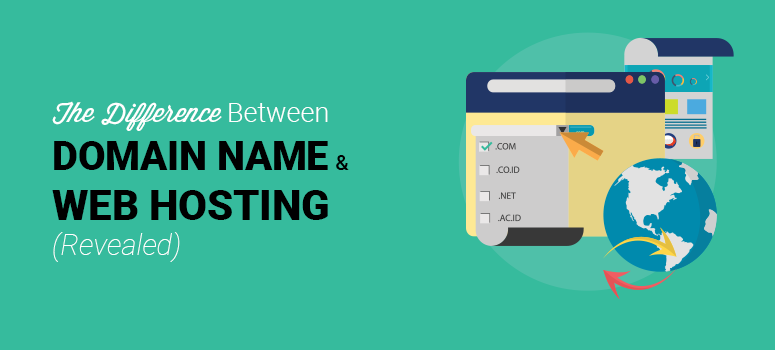
Domain names are like the address for websites. They help people find websites on the internet. A domain name is made up of words and numbers. It’s easy to remember, like www.example.com. Every domain name is unique. This means no two websites can have the same domain name.
Domain names are important for businesses. They make a website look professional. People trust websites with good domain names. Good domain names help attract visitors. They are easy to share and remember. Choosing the right domain name can help a website succeed. It’s like giving a website a nice name. It helps people find and visit the site.
Structure Of A Domain Name
Top-Level Domains (TLDs) are the last part of a domain name. They come after the dot. Common TLDs are .com, .org, and .net. Each TLD serves a purpose. .com is for commercial sites. .org is for organizations. .net is for networks.
Second-Level Domains are just before the TLD. They are the main part of a domain. Like in example.com, “example” is the second-level domain. It represents your site name. You choose this part. It should be unique and memorable.
Subdomains come before the second-level domain. They help organize a site. Like blog.example.com, “blog” is the subdomain. It can show different sections of a website. Subdomains are useful for separating content.
Choosing A Domain Name
Pick a name that is easy to spell and remember. Short names are better. They help people find you. Use words that relate to your topic. This helps in search engines. Add your brand name if possible. It makes your site unique. Check if the name is available. Many names are already taken. Use tools online to help. Make sure it sounds good when spoken aloud.
Avoid using numbers or dashes. They can confuse people. Stay away from tricky spellings. People might type it wrong. Don’t copy other brands’ names. This can lead to trouble. Avoid names too long. People might forget them. Do not use slang. It can become outdated. Avoid names that are too specific. They limit your future plans.

Credit: www.wpbeginner.com
Web Hosting Essentials
Web hosting is like renting space on the internet. It stores your website files. This makes your site visible online. A server hosts your website. A server is a powerful computer. It is always connected to the internet. Hosting companies provide this service. They keep the server running 24/7.
There are many types of web hosting. Shared hosting is popular. Many websites share one server. This is cheap but slow. VPS hosting is another type. It offers more space. But it costs more. Dedicated hosting is the best. You get a whole server. It is fast and powerful. But very expensive.
How Web Hosting Works
Web hosting uses hosting servers to store website files. These servers are powerful computers. They work all day and night. Servers need a lot of space to store data. This space is called data storage. It keeps your website safe and ready.
Bandwidth is important for hosting. It helps your website run fast. When people visit your site, they use bandwidth. More visitors need more bandwidth. It keeps your site smooth and quick. Hosting services give different bandwidth options. Choose the right one for your site.
Credit: blog.templatetoaster.com
Selecting A Web Hosting Provider
Understanding domain names and web hosting is crucial for selecting the right provider. A domain name is your website’s unique address on the internet, like a street address for a home. Web hosting stores your website’s data, making it accessible online.
Choosing wisely ensures your site runs smoothly.
Factors To Consider
Choosing the right web hosting provider is crucial. The speed of your website is important. A fast site keeps visitors happy. Check if the provider has good customer support. Issues can arise anytime. Ensure their support is available 24/7. Security is another key factor. Your site must be safe from hackers. Look for providers offering SSL certificates. It’s a basic security feature. Uptime is also vital. A website should be online most of the time. Providers with a 99% uptime guarantee are ideal.
Comparing Hosting Plans
| Feature | Basic Plan | Premium Plan |
|---|---|---|
| Storage | 50 GB | Unlimited |
| Bandwidth | Limited | Unlimited |
| Email Accounts | 5 | Unlimited |
| Support | Email Support | 24/7 Chat and Phone |
Domain Names Vs. Web Hosting
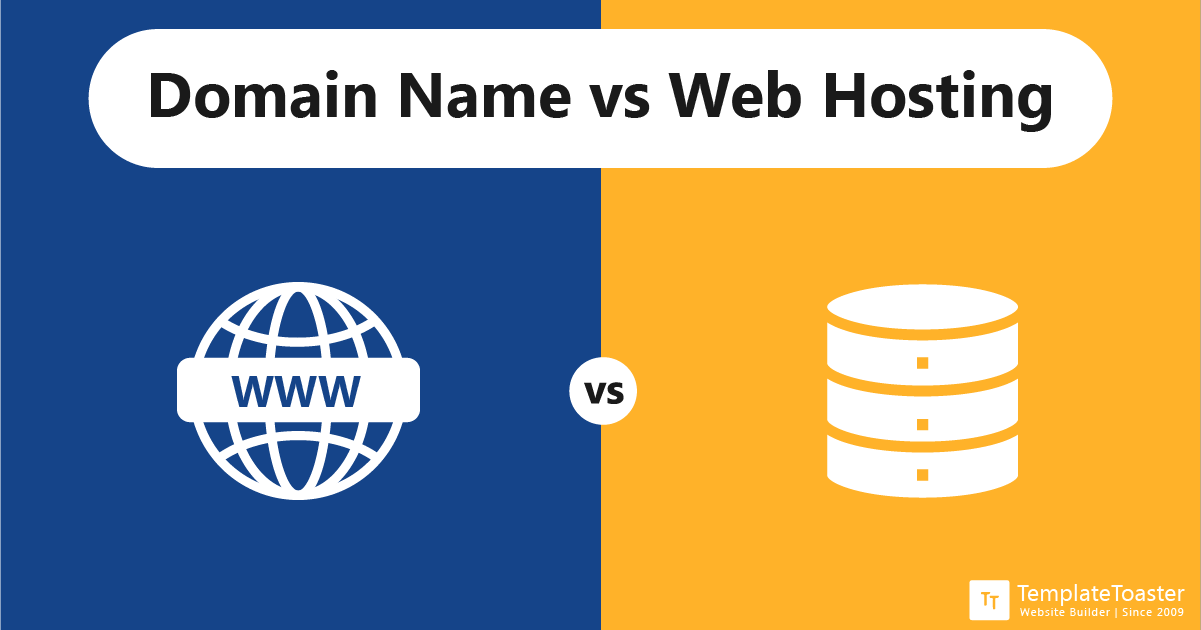
A domain name is like your website’s address on the internet. Web hosting is the place where your website lives. Both are essential for building a website.
Key Differences
Domain names are like addresses for homes. They help people find websites. A domain name might be “example.com”. Web hosting is like the land where the house stands. It keeps the website on the internet. Think of web hosting as the storage for your website files. You need both for a website. Without a domain name, no one can find your site. Without hosting, the site won’t be online.
How They Work Together
A domain name directs users to the website. When someone types the domain, it goes to the hosting server. The server then shows the website. It’s like sending a letter to an address. The domain name is the address. The hosting is the home where the letter arrives. Both must work together for a website to function. You buy a domain from a registrar. Hosting is bought from a hosting company.
Common Challenges
Understanding domain names and web hosting can be tricky. Many struggle with choosing the right domain name. Others find web hosting confusing due to technical details.
Domain Registration Issues
Choosing a domain name can be tricky. It should be easy to remember. Avoid long names. Short names are better. Sometimes, your desired name is already taken. This can be frustrating. You might need to think creatively. Use different word combinations. Consider using hyphens. Another challenge is domain expiry. If you forget to renew, you lose it. Renewal reminders help avoid this. Always check the renewal date. Make sure your contact details are updated. Incorrect details cause missed alerts. Stay informed to keep your domain safe.
Web Hosting Problems
Web hosting can have issues. Sometimes, the site is slow to load. This can annoy visitors. Check your hosting plan. Choose the one that fits your needs. Downtime is another problem. Sites might be offline unexpectedly. Reliable hosts minimize this issue. Look for hosts with good uptime records. Security is important too. Hosts should offer strong protection. Regular updates help keep sites safe. Cost can be a challenge. Some hosts are expensive. Compare prices before choosing. Make sure you get value for your money.
Future Trends
Understanding domain names and web hosting is essential for online presence. Domain names serve as addresses for websites, while web hosting provides the space to store site files. Future trends indicate advancements in hosting technology, offering improved speed and security for seamless user experiences.
Innovations In Domain Names
New domain extensions are appearing. These let people find cool names easily. AI tools help in picking the best domain name. This saves time and effort. Blockchain domains are becoming popular. They offer more security. No one can easily hack them. This keeps websites safe. People like these new options.
Advancements In Web Hosting
Hosting is getting faster and smarter. Cloud hosting helps websites load quickly. This keeps users happy. Green hosting is good for the Earth. It uses clean energy. Many companies are switching to it. AI helps in managing servers. It fixes problems quickly. This makes hosting more reliable.
Frequently Asked Questions
What Is Domain Name And Web Hosting?
A domain name is your website’s unique address on the internet. Web hosting stores your site’s files on servers, making it accessible online. Together, they enable users to find and view your website.
What Is The Difference Between Web Host And Domain?
A web host stores your website’s files on a server, making it accessible online. A domain is the website’s address that users type in their browser to visit your site. Both are essential for a website to function and be accessible on the internet.
Do I Need Web Hosting If I Have A Domain Name?
Yes, you need web hosting to make your website accessible online. A domain name is just your website’s address. Hosting stores your site’s files, allowing users to view your content. Both are essential for a functional website. Choose reliable hosting for better performance and uptime.
What Is An Example Of A Domain And Hosting?
A domain is a website’s address, like “example. com. ” Hosting is the server space where website files are stored.
Conclusion
Understanding domain names and web hosting is crucial for your online presence. They form the foundation of your website. A domain name is your site’s address. Web hosting is where your site lives on the internet. Together, they make your website accessible to users worldwide.
Choosing the right domain and hosting provider is important. It affects your site’s speed and reliability. Always consider your needs and budget. Research well before making decisions. Investing time now can save headaches later. A strong online foundation ensures a smoother journey ahead.


