
Imagine having the power to host websites and manage them just the way you envision. Starting a web hosting business might be the opportunity you’ve been looking for.
But what do you need to turn this idea into reality? This article will guide you through the essentials, breaking down the steps into simple actions you can take. Whether you’re aiming to serve small businesses or large enterprises, understanding the fundamentals is crucial.
You’ll discover the tools, skills, and strategies that will set you on the path to success. Don’t miss out on turning your web hosting dreams into a thriving business. Read on to learn how you can get started today.
Choosing The Right Hosting Type
Shared hosting is a budget-friendly option. Many websites use one server. This means resources are shared. Good for small sites. Not for heavy traffic.
VPS stands for Virtual Private Server. More control than shared hosting. Offers dedicated resources. Good for medium-sized websites. Costs more than shared hosting.
You get the whole server to yourself. Best for large websites. High performance and security. Expensive, but worth it for big sites.
Flexible and scalable. Uses many servers together. Handles traffic spikes well. Pay for what you use. Ideal for growing businesses.
Credit: www.inmotionhosting.com
Essential Hardware And Software
Starting a web hosting business needs reliable servers. A server is like a computer. It stores websites for people to see online. You can choose between dedicated servers or virtual private servers (VPS). A dedicated server is a whole server for one user. A VPS is a part of a server shared with others. Picking the right server is important. It affects the speed and safety of websites.
Every server needs an operating system. Two popular choices are Linux and Windows. Linux is free and widely used. It is great for people who know a little about computers. Windows is user-friendly and good for beginners. Choosing the right system can make managing servers easier.
Control panels help manage websites easily. cPanel and Plesk are common choices. cPanel is used with Linux servers. It has many tools for managing websites. Plesk works with both Linux and Windows. It is simple and good for beginners. Control panels make managing websites easy and fun.
Setting Up Data Center
Choosing the right location for your data center is crucial. The place should have stable internet connections. It must be safe from natural disasters like floods. Accessibility to skilled workers is important. Energy costs should be reasonable. Nearness to clients can reduce latency. Climate matters too; cooler places can save on cooling costs.
Data centers need strong security. Physical barriers keep intruders out. Surveillance systems watch the area. Access controls restrict entry. Cybersecurity protects data from hackers. Firewalls guard against attacks. Regular security audits help find weak spots. Encryption keeps data safe during transfers.
Backing up data is vital. Use multiple storage locations. Cloud backups offer offsite safety. Regular checks ensure backups work. Automated systems save time. Redundant systems prevent data loss. Disaster recovery plans help if things go wrong. Make sure all data is backed up often.
Credit: verpex.com
Developing A Business Plan
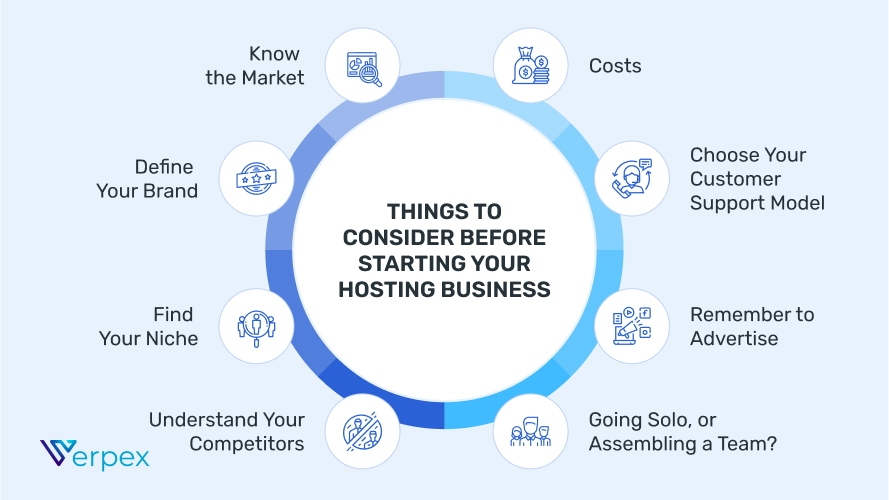
Finding the right target market is important. Understand who needs your service. Small businesses may need web hosting. Bloggers and online stores too. Knowing your audience helps in planning. It also helps in selling your services.
Setting pricing strategies is crucial. Prices should be fair. Compare with other companies. Offer different plans. Some people want basic plans. Others need advanced features. Keep your prices simple and clear.
Using smart marketing tactics will attract customers. Tell people about your service. Use online ads and social media. Write blogs and make videos. Give discounts to new users. Good marketing brings more customers.
Legal And Regulatory Compliance
Starting a web hosting business needs proper business licenses. Check local laws for required permits. Every city may have different rules. Without licenses, you can face fines. Always keep licenses updated and renew on time. This helps in smooth business operations.
Data protection laws are crucial for web hosting. These laws keep user data safe. Follow rules to avoid legal issues. GDPR is important in Europe. Make sure to comply with these laws. Protecting user data builds trust.
Clear terms of service are vital. They explain user rights and company policies. Terms help in disputes and protect your business. Always update terms when necessary. Make them easy to understand for users. This clarity avoids confusion.

Credit: www.isitwp.com
Building A Skilled Team
A web hosting business needs strong technical support. Skilled tech experts help fix issues. They keep servers running smoothly. Fast problem-solving is crucial. This makes customers happy.
Sales and marketing help your business grow. Hire people who know the market. They should be good at finding new clients. Marketing experts make sure people hear about your services. They use simple words to explain your offers.
Great customer service wins trust. Hire kind and patient staff. They must listen well. Solving customers’ issues quickly is key. A happy customer will come back. They might tell others about your service too.
Creating A User-friendly Website
Design and Usability are key to a successful website. The site should be simple and clear. Users should find information quickly. Use easy navigation. Limit the number of clicks to reach a page. Keep the design clean. Avoid clutter. Clear fonts and colors help readability. Make sure the site loads fast. Slow sites lose users. Test your design on different devices. Make sure it works on phones and tablets.
Payment Gateways are important for your business. Choose a secure gateway. Users should trust it. Look for low fees. Compare different gateways. Make sure it supports different payment methods. Credit cards, PayPal, and others. Easy checkout increases sales. Avoid too many steps in payment. It should be simple and quick.
Your Customer Portal should be easy to use. Customers need to manage their accounts. They should update information easily. Make sure they can view invoices. Provide support options. Offer chat or email support. A good portal helps keep customers happy. They should not struggle to find help. Ensure it is secure. Protect customer data.
Maintaining Server Uptime
Monitoring Tools are crucial for web hosting success. They track server health. Alerts notify you of issues. This helps fix problems fast. Choose tools that suit your needs. Some tools are free, others cost money. Find what works best for your business.
Troubleshooting skills are vital. Servers face many problems. Slow speeds and crashes are common. Quick fixes keep clients happy. Learn the basics of server issues. Know how to solve them quickly. Practice helps improve your skills.
Regular Updates keep servers safe. Updates fix bugs and close security holes. Outdated software risks attacks. Schedule updates often. Make backups before updating. This prevents data loss. Updates improve performance and security.
Frequently Asked Questions
Is Web Hosting Profitable?
Web hosting can be profitable with the right business strategy. Successful companies target niche markets, offer reliable services, and maintain competitive pricing. High-quality customer support and effective marketing also boost profitability. Scalability and low operational costs further enhance profit margins in the web hosting industry.
How Do I Get Started With Web Hosting?
Start by choosing a reliable web hosting provider. Select a suitable hosting plan for your needs. Register a domain name if needed. Set up your hosting account and install a website builder or CMS. Customize your site and publish it online.
Regularly update and maintain your website for optimal performance.
What Is Required To Host Your Own Website?
To host your own website, you need a domain name, web hosting service, and website files. Choose a reliable hosting provider, register your domain, and upload website content. Ensure your site is secure and optimized for speed and search engines.
Regularly update content for better performance and visibility.
How To Become A Web Hosting Reseller?
Choose a reliable hosting provider with a reseller program. Purchase a reseller plan. Set competitive pricing. Create custom hosting packages. Market your services to attract customers.
Conclusion
Starting a web hosting business needs careful planning and dedication. First, secure reliable servers. This ensures smooth operations. Then, choose the right software. It simplifies management tasks. Invest in marketing strategies. These attract new clients. Also, prioritize customer support. Happy customers stay longer.
Keep learning about industry trends. Staying updated gives you a competitive edge. Remember, patience is key. Growth takes time. Every step builds your business. Start small and grow steadily. Success in web hosting requires persistence. Focus on quality service and client satisfaction.
Your efforts will pay off in the long run.


