
Are you looking to elevate your website’s performance without breaking the bank? Virtual Private Server (VPS) web hosting might be the perfect solution for you.
Imagine having more control, flexibility, and power over your online presence. Sounds exciting, right? With VPS hosting, you can enjoy the benefits of a dedicated server at a fraction of the cost. But what exactly is VPS web hosting, and why should you consider it for your website?
We’ll dive into the world of VPS hosting, unraveling its features, advantages, and how it can transform your online experience. Stick around to discover why VPS could be the game-changer you’ve been searching for.
Vps Hosting Basics
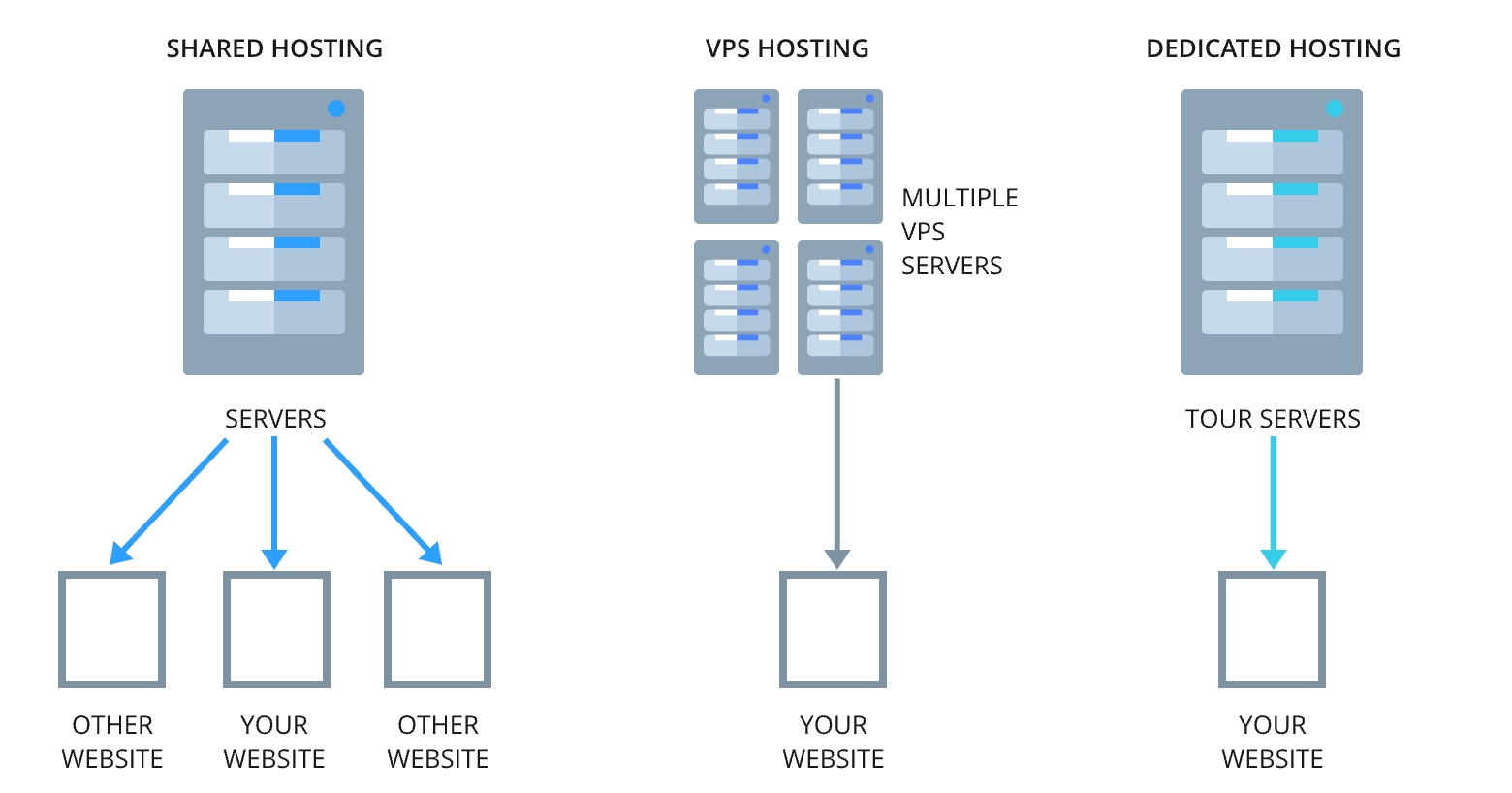
Virtual Private Server (VPS) web hosting provides a middle ground between shared hosting and dedicated servers. It allocates a virtual server, giving users more control and resources. Ideal for growing websites needing better performance and security.
Definition And Functionality
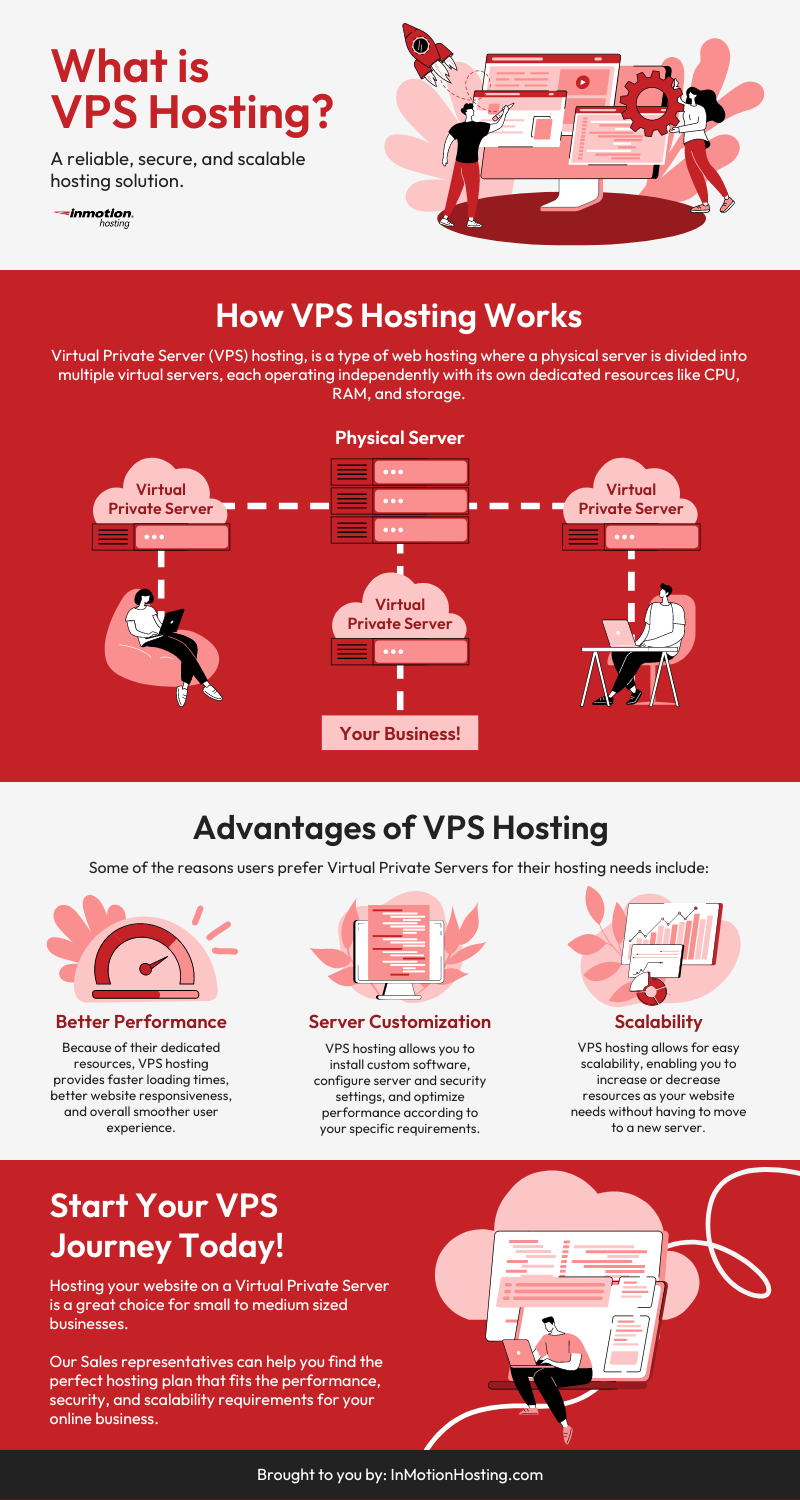
Virtual Private Server (VPS) hosting is like a special computer. It acts as a personal server for your website. With VPS, you get your own space on a big server. This means your website runs independently. It won’t be slowed down by others. You have more control over your settings and can install your own software. This is great for growing websites that need more power. Think of it as having your own room in a big house.
Differences From Shared Hosting
Shared hosting is like sharing a room with others. You all use the same resources. This can make things slow when many people visit. In contrast, VPS gives you your own slice of resources. You don’t share it with others. This makes your website faster and more reliable. With VPS, you get a dedicated part of the server. Shared hosting is cheaper, but less powerful. VPS is a middle choice between shared and dedicated hosting.
Credit: www.inmotionhosting.com
How Vps Works
Virtual Private Server (VPS) uses virtualization technology. This technology splits a single physical server into many virtual servers. Each virtual server acts like a real server. Users can install their own software and systems. The server runs multiple operating systems at once. It feels like having your own server.
VPS has dedicated resources for each user. This means specific amounts of CPU, RAM, and storage. Users do not share resources with others. Each virtual server can run its own applications. This makes the server more efficient. It ensures better performance and reliability. Resources can be scaled up or down as needed.
Benefits Of Vps Hosting
VPS hosting gives your site more power and speed. Your site runs better with a VPS. It can handle more visitors at once. Your site does not slow down with many users. You get your own space and resources. This means your site stays fast and reliable.
VPS hosting lets you choose how your server works. You can add or remove things easily. You decide what software to use. Change settings to suit your needs. You get full control over your server. Make your site look and work how you want.
VPS hosting grows with your site. Start with small resources. Add more as your site grows. Your site can handle more traffic. You can upgrade your plan easily. VPS is perfect for sites that expand over time. It fits your site’s growth needs.
Comparing Vps To Other Hosting Types
VPS hosting is like having a slice of a big pie. You share a server with others. But you have your own resources. Dedicated hosting is like having the whole pie. You get an entire server just for you. VPS is cheaper than dedicated hosting. It is a good choice for small businesses. Dedicated hosting is best for big companies. They need a lot of power. VPS offers flexibility and control. Dedicated hosting offers more performance and security. Choose VPS for cost-effective solutions. Choose dedicated for maximum performance.
VPS hosting uses one physical server. It is divided into parts. Cloud hosting uses many servers. It makes a virtual space. VPS is stable and predictable. Cloud hosting can handle more traffic. It is very flexible. VPS is good for steady needs. Cloud hosting is good for variable needs. VPS has fixed costs. Cloud costs can change. Cloud hosting can scale up or down. VPS has limited resources. Cloud hosting is good for growing sites. VPS is good for budget-friendly hosting.
Choosing The Right Vps Plan
Assessing your needs is the first step. Think about what your website requires. Do you need more storage or faster speed? Make a list of what is important. This will help you pick the best plan.
Considerations for selection include budget, technical support, and scalability. Check the cost of each plan. Can you afford it? Look at the support services. Will they help you when you need it? Think about growth. Can the plan grow with your needs?

Credit: www.shutterstock.com
Common Use Cases For Vps
A Virtual Private Server (VPS) is great for hosting websites. It gives more control and flexibility than shared hosting. Websites on a VPS load faster. They can also handle more visitors. This means more people can visit your site at once.
VPS is perfect for running special applications. It helps keep them secure and reliable. Applications run smoothly without interruption. VPS can support many kinds of apps. This includes chat apps, games, and tools.
Developers like VPS for testing and building. It offers a safe place to try new code. Mistakes won’t hurt the main server. Developers can work faster and try new things. A VPS gives them the freedom to explore.
Security In Vps Hosting
VPS hosting keeps your data safe. Each server is like a separate room. No one can enter your room. This means your files stay private.
Protection is strong in VPS hosting. You get your own resources. No sharing with others. This helps keep your site secure.
Use strong passwords. Change them often. This helps keep hackers away. Always update your software. New updates fix old problems.
Use firewalls for extra safety. Firewalls block bad traffic. They keep your server safe. Regular backups are important. Save copies of your data. Backups help if something goes wrong.
Credit: community.fs.com
Managing Vps Hosting
A Virtual Private Server (VPS) offers dedicated resources within a shared environment, providing control like a dedicated server. VPS hosting enhances website performance, security, and customization, making it ideal for growing businesses. Users can install software and manage settings, ensuring flexibility and scalability to meet specific needs.
Control Panel Options
Choosing a control panel makes managing VPS easy. Popular choices include cPanel and Plesk. They offer user-friendly interfaces. You can manage files, databases, and emails. cPanel is known for its simple layout. Plesk supports multiple platforms. Both panels help automate tasks. They make server management less complex.
Monitoring And Maintenance
Regular monitoring keeps your VPS healthy. Check CPU, memory, and disk usage. Use tools like Nagios or Zabbix. They alert you about issues. Regular maintenance prevents problems. Update software to keep it secure. Clean unused files to save space. Regular checks ensure smooth operation. Always backup data for safety. Backups protect against data loss. They keep your information safe.
Frequently Asked Questions
What Is A Virtual Private Server Hosting?
Virtual Private Server (VPS) hosting provides dedicated resources on a virtual server. It offers enhanced performance, security, and control compared to shared hosting. Users can customize their server environment and scale resources based on needs. VPS hosting is ideal for websites requiring more power without the cost of a dedicated server.
What Are The Disadvantages Of Vps Hosting?
VPS hosting can be costly compared to shared hosting. Users need technical skills for server management. Limited resources may affect performance during traffic spikes. Security risks exist if not properly managed. Complex configurations can lead to higher maintenance time.
What Is The Difference Between A Web Server And A Virtual Server?
A Web server hosts websites and serves content via HTTP. A virtual server emulates a physical server’s functions, sharing resources on a physical machine. Both are crucial for online operations but serve different purposes. Understanding their roles helps optimize web services and infrastructure.
What Is The Difference Between Vps Hosting And Normal Hosting?
VPS hosting offers dedicated resources within a virtual environment, enhancing performance and control. Normal hosting, or shared hosting, shares resources among multiple users, limiting customization and scalability. VPS is ideal for growing websites needing more power, while shared hosting suits smaller sites with basic needs.
Conclusion
Virtual Private Server hosting offers flexibility and control. It’s a popular choice for growing websites. Users get dedicated resources without sharing with others. This means better performance and reliability. VPS hosting is a middle ground between shared and dedicated hosting.
It’s affordable yet powerful. Perfect for those who need more than basic hosting. Easy to scale as your website grows. Ideal for businesses and tech-savvy individuals. A reliable option for those seeking customization. With VPS, you can manage your server settings.
It’s a step forward for anyone looking to boost their online presence.


