
Are you planning to launch your very own website, but feeling overwhelmed by the choices of web hosting? You’re not alone.
Navigating the world of web hosting can be daunting, especially when faced with so many options. Whether you’re a budding blogger, an online store owner, or someone looking to showcase their portfolio, choosing the right web hosting can make or break your online presence.
But don’t worry, we’re here to guide you through the maze. You’ll discover the different types of web hosting available and find out which one best suits your needs. By the end, you’ll have a clear understanding and be ready to make an informed decision, ensuring your website performs at its best. Ready to unlock the secrets of web hosting? Let’s dive in!
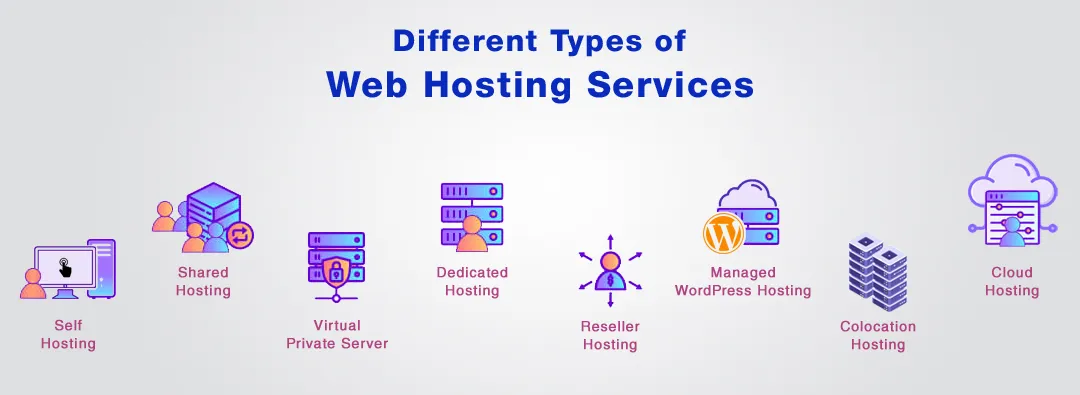
Shared Hosting
Shared hosting is a cost-effective choice for websites. You share server space with others. This lowers the price you pay. Maintenance is easy because the host manages everything. You don’t need to worry about technical stuff. Shared hosting is user-friendly. Perfect for beginners. It includes simple tools for website building. Security features are included. This keeps your site safe. Shared hosting plans often come with support. Help is available when needed.
Shared hosting has some limits. Performance can be slow if the server is busy. You share resources with many sites. Traffic spikes might affect your site. Customization options are less. You can’t change server settings. Security risks exist due to shared space. Your site’s safety can depend on others. Scalability is limited. It’s not ideal for growing sites. Upgrading can be needed if your site grows.
Credit: community.aws
Vps Hosting
VPS Hosting offers many advantages. It is like having your own space on the web. You share a server with others. But you get your own resources. This means more control and flexibility. You can install any software you need. It is also more secure than shared hosting. Your data is protected better. You have more power and speed. Websites load faster. Businesses can grow easily with VPS.
Advantages Of Vps Hosting
- More Control: Customize your server as you like.
- Better Security: Keep your data safe.
- High Performance: Websites run smoothly.
- Scalability: Grow without issues.
Potential Drawbacks
- Higher Cost: VPS can be expensive.
- Technical Skill Needed: Requires knowledge to manage.
- Limited Resources: Not as much as a dedicated server.
Dedicated Hosting
Dedicated hosting offers a server just for you. No sharing with others. You get full control. It’s like owning your own house. High performance is a key feature. Websites run fast and smooth. Security is top-notch. You have your own space. No one can peek into your files. Resources are yours alone. All server power is yours. Customization is easy. Change settings to fit your needs.
| Feature | Description |
|---|---|
| Full Control | Manage your server freely. |
| High Performance | Fast and reliable. |
| Top Security | Protects your data well. |
| Unique Resources | Resources are not shared. |
| Customizable | Change settings easily. |
Big companies with lots of visitors need dedicated hosting. It suits online stores with heavy traffic. Perfect for websites with special needs. Developers who want full control love it. Hosting for sites with high security needs is ideal. Businesses wanting reliable service prefer this. If resources are important, this is the best choice. It fits websites needing strong performance.
Cloud Hosting
Cloud hosting is very flexible. It can grow with your needs. More users? No problem. Cloud hosting can add more resources. This makes it great for growing businesses. You don’t need to buy more servers. The cloud handles everything. This saves time and money.
Security in cloud hosting is vital. Data protection is a top priority. Cloud hosting has many layers of safety. Firewalls keep data safe. Encryption keeps information secure. Only trusted users get access. Regular checks keep the system strong. These safety measures protect your data.
Managed Hosting
Managed hosting provides many helpful services. It includes security updates and performance monitoring. Backup management is also part of the package. Experts handle server configurations. They ensure optimal performance. Managed hosting offers technical support. Experts are available 24/7. They solve issues quickly. Managed hosting also includes software updates. It keeps everything running smoothly.
Businesses love managed hosting. They focus on growth instead of server problems. New companies find managed hosting helpful. It saves them time and effort. Managed hosting suits busy professionals. They get expert support for their websites. Bloggers like managed hosting too. It handles technical tasks for them. Managed hosting is great for those with limited tech skills. It offers peace of mind and reliable service.

Credit: www.siteground.com
Colocation Hosting
Colocation hosting uses a data center. Businesses store their servers here. The center provides electricity, cooling, and security. Companies own their servers and hardware. They control their equipment. The center provides the space and environment.
Colocation hosting can be costly. Businesses must buy their own servers. They also pay for the space and power. Extra costs include maintenance and upgrades. But it offers control over the servers. This is good for businesses needing flexibility.
WordPress Hosting
WordPress hosting comes with special features. It is made for WordPress websites. There is better speed. Also, it has security that fits WordPress. You get tools to help with updates and backups. These tools make managing your site easier.
Some hosts offer one-click installs. This makes setting up WordPress simple. There is also support from experts who know WordPress. They can help fix problems fast. WordPress hosting is perfect for blogs and business sites. It is also great for portfolios.
WordPress hosting is ideal for many projects. It is best for blogs because of easy updates. Business sites benefit from fast speeds. This keeps customers happy. Creative people can use it for portfolios to show their work. Also, it is good for e-commerce stores. The features help manage products and sales.
WordPress hosting suits small and large sites. It grows with your site. This makes it a smart choice for many users.
Reseller Hosting
Reseller hosting lets you sell web hosting to others. You buy a large hosting package. Then, you split it into smaller parts. These parts can be sold to customers. You act like a middleman between the main host and your clients. You do not own the server. But, you can control how much you sell and the price. This is like renting a big house and subletting rooms.
Reseller hosting can be a good business. It is low cost. You do not need to manage servers. Focus on customer service and marketing. Create your own brand. Offer packages that fit your client’s needs. Small businesses and web developers often choose reseller hosting. It is a way to earn money without big investments. Just make sure to choose a reliable hosting provider.
Credit: www.hostingseekers.com
Frequently Asked Questions
What Are The 3 Types Of Web Hosting?
The three types of web hosting are shared hosting, VPS hosting, and dedicated hosting. Shared hosting involves multiple websites on one server. VPS hosting provides a virtual server for each user. Dedicated hosting allocates an entire server to a single website.
Each has its own benefits and costs.
What Is The Best Type Of Web Hosting?
The best type of web hosting depends on your needs. Shared hosting suits small websites. VPS hosting offers better control and performance. Dedicated hosting is ideal for high-traffic sites needing maximum resources. Cloud hosting provides scalability and flexibility. Evaluate your requirements to choose the right type.
How Many Web Hosting Are There?
There are several types of web hosting available, including shared, VPS, dedicated, cloud, and reseller hosting. Each type offers different features and pricing to suit various website needs. Choosing the right hosting depends on your website’s size, traffic, and technical requirements.
What Is An Example Of Hosting A Website?
Using a platform like Bluehost to store website files on servers is an example of hosting a website. This service provides server space, security, and technical support, ensuring your website is accessible online. Hosting services often include domain registration and email hosting options.
Conclusion
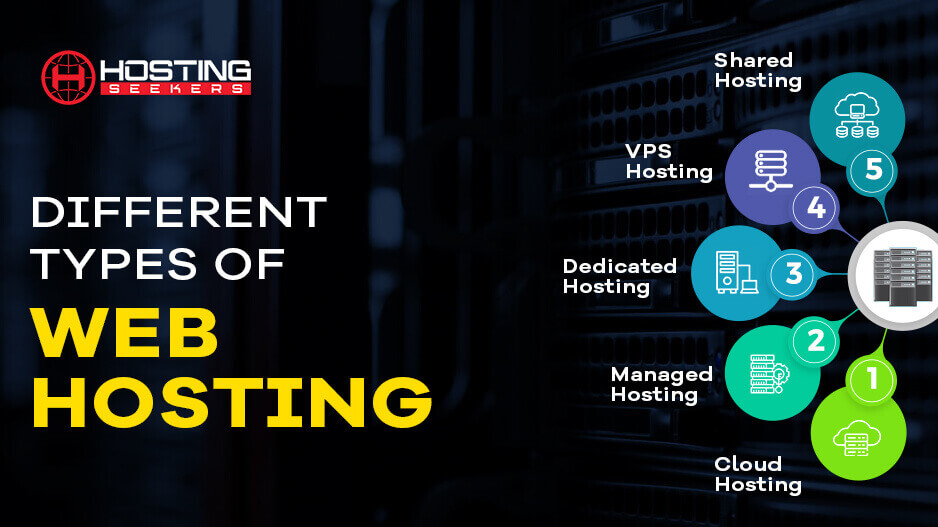
Choosing the right web hosting is crucial. Each type offers unique benefits. Shared hosting suits small sites and budgets. VPS provides better control and performance. Dedicated hosting offers full resources for large sites. Cloud hosting is flexible and scalable. Managed hosting takes care of technical details for you.
Select based on your website’s needs and growth plans. Understanding these options helps you make informed decisions. Reliable hosting enhances your site’s performance and user experience. Always align hosting choice with your goals and audience expectations. Happy hosting journey!


