
Have you ever wondered why your favorite website is always just a click away, no matter where you are or what time it is? The secret lies in web hosting.
It’s the backbone that makes websites accessible online. But what exactly is web hosting, and why should you care? Imagine having a brilliant idea for a website, a platform where you can share your passion, business, or creativity with the world.
Without web hosting, your idea would remain just that—a dream, unseen and unheard. We’ll delve into the fascinating world of web hosting, exploring its uses and why it’s crucial for anyone looking to establish an online presence. Whether you’re launching a personal blog or setting up an online store, understanding web hosting will empower you to make informed decisions that can enhance your digital footprint. Ready to unlock the potential of your ideas? Let’s dive into the essentials of web hosting.

Credit: www.hostinger.com
Types Of Web Hosting
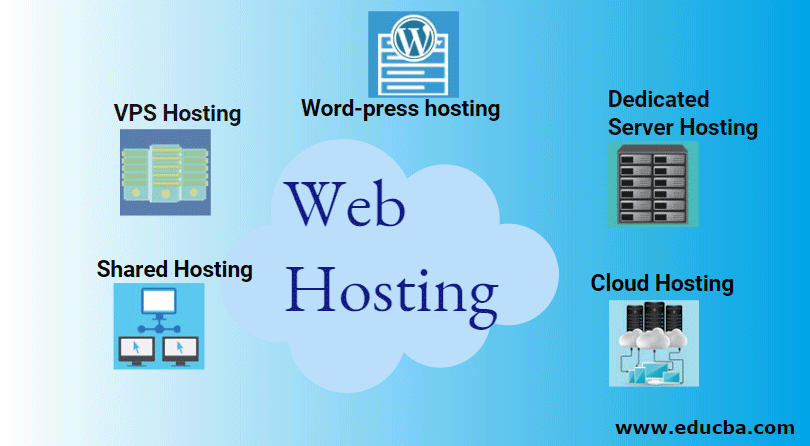
Shared Hosting is a cost-effective choice. Many websites share the same server resources. This includes disk space and bandwidth. Good for small websites and blogs. It may be slow during high traffic periods. It is a simple option for new users.
VPS Hosting stands for Virtual Private Server. It offers more control than shared hosting. Your website has its own partition. This means better performance. Suitable for medium-sized websites. More expensive than shared hosting. Allows customization of server settings.
Dedicated Hosting provides a full server for one website. Offers maximum control and performance. Best for large websites and businesses. High cost but high reliability. Ensures security and flexibility. Requires technical skills to manage.
Cloud Hosting uses many servers to host websites. It provides scalable resources. Ideal for variable traffic. Offers high uptime and flexibility. You pay for what you use. Suitable for growing businesses. Offers automatic backups and updates.
Key Features Of Web Hosting
Websites need disk space to store files and data. More space means more room for content. Videos and images require more space. Choose hosting plans wisely. Never run out of storage.
Bandwidth allows data to travel from server to users. High bandwidth supports more visitors. Data transfer is how much info travels. High data transfer is good. Watch limits to avoid extra fees.
Websites need strong security measures. Protect data from hackers. Firewalls and SSL certificates help. Keep user info safe. Always update security settings. Safety is very important.
Good customer support is vital. Problems can happen anytime. Quick help fixes issues fast. Email, chat, and phone support are common. Support should be available 24/7. Happy users mean good service.
Benefits Of Web Hosting
Web hosting makes websites faster. Fast websites keep visitors happy. Slow websites lose visitors. Hosting boosts speed. Hosting uses powerful servers. These servers handle many users. Better performance means more traffic.
Websites grow over time. Hosting helps websites grow easily. Scalable hosting adds more space. It adds more bandwidth. Hosting supports bigger websites. Growing websites need more resources. Hosting provides these resources.
Security is important for websites. Hosting offers strong security features. It includes firewalls. It includes regular backups. Hosting protects against hackers. Hosting ensures data safety. Safe websites build trust.
Hosting provides email services. Professional emails look better. They use your website name. Email services are reliable. Hosting manages spam filters. It keeps inboxes clean. Hosting improves communication.

Credit: www.hostinger.com
Choosing The Right Web Hosting
Think about your website’s size. A big website needs more space. Traffic is important too. More visitors need better hosting. Security is vital. Protect your site with strong features. Consider your site’s growth. Will it get bigger soon? Plan for it.
Providers offer different features. Check their reliability and uptime. A reliable host keeps your site online. Look at their storage and bandwidth. More is better for busy sites. Read reviews from other users. Learn from their experiences.
Web hosting has different prices. Choose a plan that fits your budget. Cheap plans may lack features. Expensive plans might have too much. Balance price and quality. Think long-term. A good host is worth the cost.
Support helps solve problems fast. Check if they have 24/7 help. Good hosts offer live chat or phone support. Quick answers save time. Read about their support in reviews. Test their response before buying.
Common Challenges In Web Hosting
Websites need to be online all the time. Downtime means the site is offline. Visitors get upset if the site is down. Reliability is key. People trust websites that stay online. Hosting services need to be strong. They must keep sites working well.
Websites can be attacked by hackers. Security is very important. Hosting companies must protect sites. They use firewalls and other tools. These tools stop attacks. A safe site makes visitors feel secure.
Websites need space to store files. Resource limits can cause problems. If there is not enough space, the site can be slow. Hosting plans offer different amounts of space. Choosing the right plan is important.
Moving a site to a new host can be hard. Migration needs careful planning. Files and data must be moved safely. Errors can cause loss of data. Good hosting services help with migration.
Future Trends In Web Hosting
Web hosts are going green. They use renewable energy to power servers. This helps reduce the carbon footprint. Many companies now focus on eco-friendly solutions. They aim to save our planet. Green hosting is not just a trend. It’s the future of web hosting.
Automation makes web hosting easier. Tasks like updates and backups are automated. This saves time and reduces errors. Users enjoy a smoother experience. Automation will continue to grow. It helps simplify complex processes.
AI helps improve hosting services. It can predict and fix issues quickly. Machine learning enhances security and performance. Websites run faster with AI. AI tools assist in analyzing data. They help in making better decisions.
Edge computing brings data closer to users. This results in faster access to information. It reduces latency and improves user experience. Data is processed at the network’s edge. This is beneficial for real-time applications. Edge computing supports the growing demand for speed.
Credit: www.educba.com
Frequently Asked Questions
Why Do We Need Web Hosting?
Web hosting is essential for making your website accessible online. It stores your site’s data on servers, ensuring reliability and speed. With web hosting, you get technical support, enhanced security, and increased storage. It also helps in managing website traffic efficiently, ensuring a seamless user experience.
What Does A Website Host Do?
A website host stores your website’s files on a server, ensuring it is accessible online. It manages server maintenance, security, and support. Hosting services include shared, VPS, and dedicated hosting options, catering to different needs. Reliable hosting improves site performance, speed, and availability, enhancing user experience and SEO.
What Is Web Hosting And An Example?
Web hosting is a service that allows individuals or organizations to make their website accessible via the internet. An example of web hosting is Bluehost, which provides various hosting plans for different needs.
Do I Need Web Hosting To Have A Website?
Yes, web hosting is essential for a website. It stores your site’s data and makes it accessible online. Without hosting, your website can’t be viewed by others. Choose a reliable hosting provider to ensure your site is fast and secure.
Hosting is a crucial part of website creation.
Conclusion
Web hosting is vital for any website. It stores your site’s files. It makes them accessible online. A good web host ensures fast loading times. It also provides security features. This keeps your data safe. Reliable hosting prevents downtime. Your website stays online, attracting visitors.
Choosing the right host matters. It impacts your site’s success. Consider your needs and budget. Explore different hosting options. Find one that fits your requirements. This boosts your site’s performance. Happy hosting leads to happy visitors. Invest wisely in web hosting.
Your website’s future depends on it.


