
Imagine you’ve just built a stunning website. You’ve poured your creativity and effort into every detail, and now you’re ready to share it with the world.
But there’s one crucial step left: making it accessible online. This is where web hosting comes into play. But what exactly does web hosting mean, and why is it so vital for your website’s success? As you dive into this article, you’ll discover not just the definition of web hosting, but how it directly impacts your site’s performance, security, and user experience.
Understanding this can be a game-changer for your online presence. Keep reading to uncover the secrets behind web hosting and how it can turn your website from an idea into a reality that everyone can see and interact with.
Web Hosting Essentials
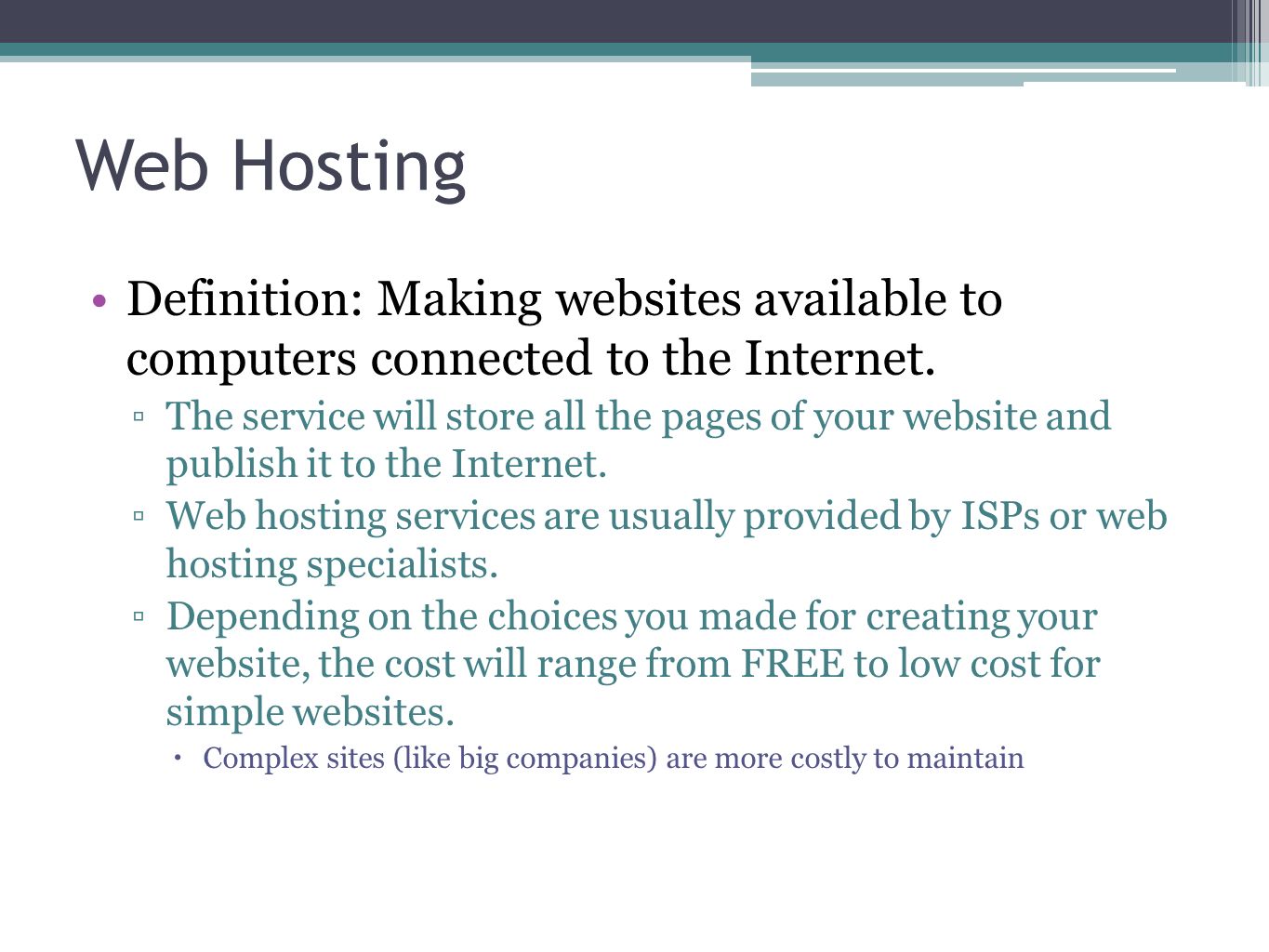
Web hosting means storing your website’s files on the internet. These files include images, text, and code. A web host provides space on a server. This server connects to the internet. Users access your website through a browser. They type your website address to visit. Web hosting is like renting a home for your website.
Your website needs a server to be online. A server is a powerful computer. It stores your website’s information. The server stays on all the time. It helps people see your site anytime. When someone clicks your link, the server sends files. These files show your site on their screen. Web hosts manage these servers. They keep them safe and running well.
Types Of Web Hosting
Shared hosting means you share a server with many people. It is often cheap and easy. This is good for small websites. You may get slower speeds sometimes. Your website shares resources like RAM and CPU. This can affect performance. Many beginners choose shared hosting. It is a popular choice for startups.
Dedicated hosting gives you your own server. No sharing with others. This is great for big websites. You get full control over the server. You can change settings as needed. This is more expensive than shared hosting. It offers better performance and security. Large businesses often use dedicated hosting.
VPS hosting means you have a virtual server. It is a mix of shared and dedicated hosting. You get better control than shared hosting. It’s cheaper than dedicated hosting. You can customize your server. This is good for growing websites. It offers more resources than shared hosting.
Cloud hosting uses many servers in different places. Your website can handle more traffic. It is very flexible and scalable. You pay for what you use. This can save money. It offers high uptime and reliability. Many websites prefer cloud hosting for growth. It helps websites stay online all the time.
Key Features Of Web Hosting
Web hosting provides space for your website. The storage is where all your files live. Think of it as a house for your site. Bandwidth is how much data can travel to and from your site. It’s like a road’s size. More bandwidth means more visitors can come at once. If your site grows, you’ll need more of both.
Uptime is the time your website is online. A good host keeps it up most of the time. This means people can visit your site without problems. Reliability is how well the host keeps the site running. A reliable host fixes issues fast. This keeps your site working well.
Web hosts protect your site from bad things. They use security measures like firewalls and backups. A firewall blocks harmful traffic. Backups save your site’s data. If something goes wrong, you can restore it. Good security means your site stays safe.

Credit: www.layerhost.com
Choosing The Right Hosting Provider
Selecting a hosting provider is an important task. It affects your website’s performance and security. Think about your website’s size. Larger sites need more storage and bandwidth. Look into the customer support. It should be available 24/7. Security is crucial. Ensure the provider offers SSL certificates and firewall protection. Price is also a factor. Compare plans to find the best deal. Reliability is key. Choose a provider with 99.9% uptime or better. Make sure they offer backup services. This protects your data.
| Provider | Features |
|---|---|
| Bluehost | Affordable plans, free domain for 1 year |
| HostGator | Good customer support, flexible plans |
| SiteGround | Strong security, fast loading times |
| GoDaddy | Large storage, website builder included |
| A2 Hosting | Optimized for speed, eco-friendly |
Common Challenges In Web Hosting
Websites need to be available all the time. Downtime means the site is not working. This can upset users. It can also lose customers. Reliable servers help avoid downtime. Regular checks and updates are important. This keeps the site running well.
Websites can grow fast. As more people visit, more resources are needed. This is called scalability. Websites need to handle more traffic. If not, they can slow down. Flexible hosting plans can help. These plans allow for growth without trouble.
Problems can happen anytime. Good technical support is essential. Experts can solve issues quickly. 24/7 support means help is always there. This keeps websites running smoothly. It also makes users happy.
Credit: slideplayer.com
Future Trends In Web Hosting
Web hosting uses a lot of energy. Green hosting aims to reduce this. It uses renewable energy like wind or sun. This helps the planet. It lowers carbon footprints. Many companies now offer green hosting. This trend is growing fast. More people want eco-friendly choices. Green hosting is a smart choice for the future.
AI is changing web hosting. It makes tasks faster and easier. Automation helps too. Bots handle simple jobs. This saves time for humans. AI can fix problems quickly. It learns from data. AI hosting means fewer errors. Everything runs smooth. It’s a big trend now. Hosting is getting smarter.
Edge computing is new in hosting. Data is stored closer to users. This means faster access. Less delay. Edge computing helps apps run well. It’s great for streaming videos. More people use edge computing now. Web hosting is becoming faster. Edge computing will grow. It’s a trend to watch.

Credit: www.hostinger.com
Frequently Asked Questions
What Is Web Hosting With An Example?
Web hosting stores website files on servers, making them accessible online. Example: Bluehost hosts websites, ensuring speed and security.
What Are The 3 Types Of Web Hosting?
The three types of web hosting are shared hosting, VPS hosting, and dedicated hosting. Shared hosting is affordable and suitable for beginners. VPS hosting offers more control and resources. Dedicated hosting provides exclusive server access, ideal for large businesses. Choose based on your budget, traffic, and technical needs.
Can I Run My Website Without Hosting?
A website needs hosting to be accessible online. Hosting stores your site’s data on servers for users to access. Without hosting, your website cannot be visible on the internet. Consider web hosting services to ensure your site’s availability and performance.
What Is The Purpose Of A Web Host?
A web host stores website files on servers, making them accessible online. It ensures reliable website performance, security, and support. Web hosting services include shared, VPS, and dedicated hosting. They manage server maintenance and provide necessary resources for websites to function efficiently.
Choosing the right host improves site speed and user experience.
Conclusion
Web hosting is crucial for any website. It stores your website files online. This ensures people can access your site anytime. Different hosting types suit various needs. Shared hosting is budget-friendly. VPS offers more control. Dedicated hosting provides maximum resources.
Choosing the right host depends on your site’s requirements. Consider traffic, budget, and technical needs. A good host improves website performance. It ensures faster loading times. This can enhance user experience. Always research before selecting a provider. Make sure it aligns with your goals.
A reliable web host supports your online success.


