
Have you ever wondered how websites appear on your screen when you type an address into your browser? What magic is at play behind the scenes?
Well, the secret lies in two essential components: domain and web hosting. Understanding these terms is crucial, whether you’re planning to launch your own website or simply want to grasp how the digital world operates. Imagine owning a home on the internet.
Your domain is the address, guiding visitors to your location, while web hosting provides the space where your website lives. This article will unravel these concepts, making them easy to digest and relate to your everyday experiences. Stick around, and by the end, you’ll not only know what domain and web hosting are, but you’ll also feel empowered to make informed decisions about your online presence.
Credit: www.isitwp.com
Domain Basics
A domain is a name for a website. It is like a home address. You type it in a browser to visit a site. Domains have two parts: the name and the extension. The name is the part you choose. The extension comes after the dot, like .com or .org.
There are many types of domain extensions. The most common is .com. Others are .net, .org, and .edu. Each serves a different purpose. For example, .edu is for schools. Extensions help users know the type of site.
Domain names are very important. They help people find your site. A good name is easy to remember. It should relate to what your site does. A unique name stands out. It builds your brand and trust. Always choose wisely.
Web Hosting Essentials
Web hosting is like renting space for your website. It keeps your site online. Without hosting, people can’t see your site. Hosting stores your website files safely. It lets visitors access your site anytime. Hosting is important for all websites. It provides a strong foundation. You need hosting for a working website.
There are different types of hosting. Shared hosting is popular. Many websites share one server. It’s cheap and easy. VPS hosting offers more control. You get a part of the server. Dedicated hosting gives full control. You own the whole server. Cloud hosting is flexible. It uses many servers together.
Good hosting has strong features. Check the storage space first. Enough space is needed for files. Bandwidth is important too. It affects the speed. Security features keep your site safe. Look for backup options. They save your data. Customer support helps when problems arise. Ensure 24/7 support.
Domain Vs Web Hosting
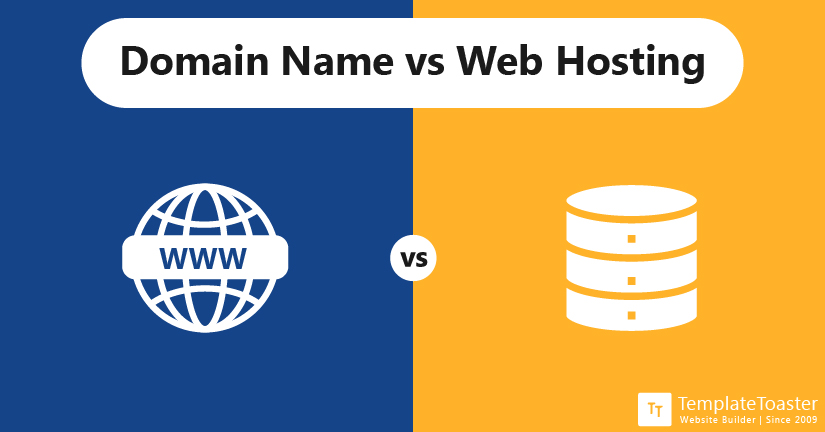
A domain is like a street address. It helps people find a website. Web hosting is like a house. It stores all the website files. Both are needed for a website to work. Without hosting, a domain is just a name. Without a domain, hosting is just space with no identity.
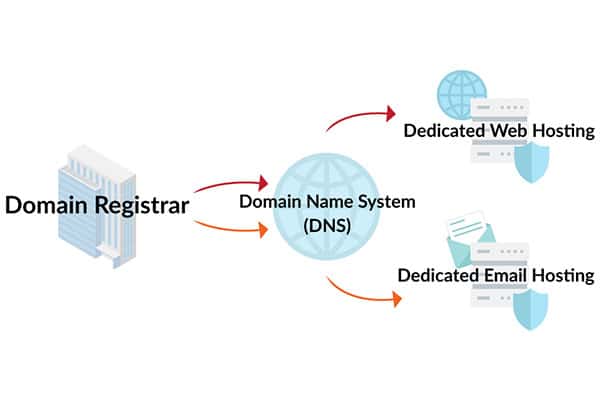
The domain and web hosting team up. The domain directs visitors to the hosting space. Hosting then shows the website files. Together, they make a complete website. Both need to be set up correctly. If one fails, the website won’t work. They must connect properly for the site to be seen.
Credit: momentum3growth.com
Choosing The Right Domain
A domain is your website’s name. It should be short and easy to remember. A simple name makes it easy to type. Use words that describe your website. Avoid numbers and hyphens. They can confuse people. A .com extension is popular. It is trusted by many users. Check if the domain is available. If taken, try different names.
Make it unique. Choose a name that stands out. It should be easy to spell. Avoid tricky words. Use familiar words. They are easy to remember. Keep it short. This helps people recall it fast. Be creative but keep it simple. Your domain represents your brand. Pick a name that fits your website.
Selecting Web Hosting Services
Domain and web hosting are essential for your website’s presence online. A domain acts as your site’s address, while web hosting stores the site data. Choosing the right service ensures your website runs smoothly and is easily accessible to visitors.
Assessing Your Needs
Understanding what you need is very important. Do you need a lot of space? Maybe you need fast speed. Security might be important. Think about the traffic your site might get. Are you hosting a blog or an online store? Each has different needs. Write down your must-haves. This helps choose the right service. Don’t forget about customer support. Good help can solve problems fast.
Comparing Hosting Providers
Compare different hosting services. Look at price. Check features. Some offer free domain names. Others might give extra storage. Read reviews from other users. See what they like and dislike. Uptime is key. You want your site online all the time. Make sure they offer good security. Look at their customer service options. Do they have live chat or phone support? These things help make a good choice.
Credit: blog.templatetoaster.com
Setting Up Domain And Hosting
Choosing a domain name is important. It represents your online identity. First, check if the name is available. Use a domain registrar to do this. Once confirmed, register it. This process is simple. You provide personal info. Pay the fee. Now, the domain is yours. Keep it renewed yearly. This prevents losing it.
After registering, connect the domain to hosting. Hosting stores your website’s files. Start by getting hosting service. Choose one that suits your needs. Next, find DNS settings. These link domain to hosting. Use them to update your domain. Enter the nameservers given by the host. Changes may take time. Soon, your domain will point to the site.
Common Challenges And Solutions
Understanding domain and web hosting can be confusing. Many struggle with choosing the right provider. Opt for reliable services to ensure a smooth online presence.
Troubleshooting Domain Issues
Domains can be tricky. Sometimes they don’t work. Check if the domain is spelled right. Ensure the registration is active. Look at DNS settings. Wrong settings cause issues. Contact support if needed. They help quickly. Always keep domain info updated. This avoids problems.
Resolving Hosting Problems
Hosting can have issues too. Websites may be slow. Check server performance. Ensure enough space is available. Clear cache often. This improves speed. Downtime is another problem. Check host status. Contact host support for solutions. Regular backups are vital. They prevent data loss. Keep software updated. This keeps websites secure.
Future Trends In Domain And Hosting
Domain management is getting smarter. New tools help manage domains easily. AI can suggest domain names. It also checks if names are taken. Security features are improving. They protect your domain from threats. Domain transfers are quicker now. Blockchain technology helps with secure transfers. It keeps your domain safe. Many companies offer better interfaces. Users can update settings fast. These changes make domain management simple. Everyone can handle domains better.
Hosting is changing fast. Cloud hosting is popular. It offers more space. Websites load quickly on cloud servers. Green hosting is a trend. It uses less energy. This helps the environment. Serverless hosting is on the rise. It is flexible and cost-effective. Security measures are stronger. Hosting providers offer better protection. They guard websites from attacks. Artificial Intelligence improves hosting. It predicts traffic and adjusts resources. Hosting is getting smarter every day.
Frequently Asked Questions
What Is The Difference Between Domain And Web Hosting?
A domain is your website’s address, like a street name online. Web hosting stores your site files, making them accessible. Domains direct users to your hosted site, while hosting ensures it runs smoothly. Both are essential for a functioning website.
What Is An Example Of A Domain And Hosting?
A domain example is “example. com,” while hosting refers to services like Bluehost or SiteGround that store website files. Domains are website addresses, and hosting provides the space for websites to operate online. Both are essential for launching a website, ensuring visibility and functionality on the internet.
Is Godaddy A Host Or Domain?
GoDaddy offers both domain registration and web hosting services. Users can register domains and host websites. It’s a popular choice for individuals and businesses seeking online presence solutions. Whether you need a domain name or hosting, GoDaddy provides comprehensive tools and support for your website needs.
Can I Keep A Domain Name Without Hosting?
Yes, you can keep a domain name without hosting. Register the domain through a registrar and maintain it by renewing annually. Hosting is only necessary if you want to create a website or email associated with the domain.
Conclusion
Understanding domain and web hosting is essential for online presence. Domains act as your website’s address. Hosting is like the land where your website lives. Both work together to make your website accessible. Choosing the right domain and hosting can improve website performance.
It’s important to pick reliable services. This can ensure your site runs smoothly. Always research options to find the best fit. This can help your site grow successfully. Remember, a good domain and hosting lay the foundation. They set the stage for your online success.


