
Imagine you’re all set to launch your dream website. You have everything ready—content, images, design, and a clear vision.
But there’s one crucial element missing: the web host. It’s the invisible backbone supporting your site, ensuring it runs smoothly and is accessible to users around the globe. What does a web host actually provide? You might wonder if it’s just storage space or something more.
Understanding this can be the difference between a website that thrives and one that falters. Dive into this guide to discover how a web host can power your online presence, enhance user experience, and protect your site from unexpected hiccups. Get ready to unlock the full potential of your website with the right hosting solutions!
Web Hosting Basics
A web host provides space for your website files. It acts like a home for your site. With hosting, your site can be seen online. Web hosts offer different types of plans. Some are cheap, and some are costly. Shared hosting means you share space with others. Dedicated hosting gives you your own space. VPS hosting is like a mix of both. They also provide security features. Your data stays safe. Hosts help your site work better. They offer support for problems. If your site breaks, they can help fix it. Bandwidth is important too. It affects how fast your site loads.
Types Of Web Hosting
Shared hosting is the most common type. Many websites use one server. This makes it cheaper. It’s great for small websites. But it can be slow if many sites are busy. You share resources like space and bandwidth.
VPS stands for Virtual Private Server. It gives you more control. The server is divided into parts. Each part acts like its own server. It’s more secure than shared hosting. You get dedicated resources. Great for growing websites.
Dedicated hosting gives you a whole server. It is only for you. No sharing with others. This makes it very powerful. Best for big websites with lots of traffic. More costly than other types. You have full control.
Cloud hosting uses many servers. Your site is on a network. If one server fails, another one helps. It is very reliable. You pay for what you use. Good for sites that grow quickly. Flexible and scalable.
Domain Registration
A web host helps with domain registration. This means you get a name for your website. Like “www.example.com”. It is like an address for your site. People use it to find you online. Web hosts have many names to choose from. You pick the one you like. The name should be easy to remember. It helps people visit your site again.
Web hosts make sure your name is unique. No other site can have the same name. This keeps your site special. You also need to renew the domain. This is usually done every year. The web host will remind you. They help keep your domain active. Without a domain, your site cannot be found.
Storage And Bandwidth
Web hosts give storage to keep your website files safe. These files include text, images, and videos. Bandwidth is crucial. It means how much data can move from your site to visitors. If you have many visitors, you need more bandwidth. Limited bandwidth can slow your site. This affects user experience. Choose a host with plenty of storage. Also, ensure enough bandwidth for your needs. Consider future growth. More visitors mean more bandwidth needed. Storage and bandwidth are key for a smooth website. They help in site performance.
Uptime And Reliability
Web hosts make sure your site stays online. They provide uptime guarantees. This means your site won’t go down. Reliability is important for users. People trust sites that work well. A good web host checks servers often. They fix issues fast. This keeps your site running smoothly. Hosts use backup systems. These protect your data. If something breaks, they restore it quickly. A reliable host prevents downtime. Your site stays visible to everyone.
Security Features
SSL Certificates are essential for safe websites. They keep data secure. Hackers can’t steal information. They are like a lock for your website. Every web host should offer SSL certificates. They protect sensitive data. Users feel safe browsing your site.
Firewall Protection acts as a shield. It blocks unwanted traffic. Firewalls keep out dangerous attacks. They are the guards of your website. Web hosts provide strong firewall protection. This ensures your website stays safe. No harmful data gets through.
Backup Solutions save your data. They are a safety net. If data gets lost, backups help restore it. Web hosts offer regular backups. This means your website can always recover. Backups prevent permanent data loss. They are a reliable safety measure.
Technical Support
Web hosts offer technical support for your website. This helps fix problems. Issues like slow loading or errors. Most hosts provide support 24/7. This means help is always available. Some hosts have chat support. Others use email or phone. Support teams are trained. They know how to solve web issues. They make sure your website runs smoothly. Good support is important. It saves time and stress. Hosts may offer tutorials. These help you learn. Learn how to manage your site. Understanding technical support is key. It keeps your site healthy. Reliable support boosts confidence. Your site stays online with good support.

Credit: www.godaddy.com
Control Panel Access
Web hosts offer a control panel for users. This panel makes website management easy. You can manage files and databases here. It also helps in setting up email accounts. The control panel is like a dashboard. It shows you all important tools. These tools are easy to find and use. With a control panel, you can add or remove features. You can also track site traffic and performance. This makes maintaining a website simple and fast.
Email Services
Web hosts provide email servicesprofessional email for their domain. It is better than free email providers. Users can access their emails through webmail or email client applications. There are options for spam filters and virus protection. These protect your inbox from unwanted emails. Users can set up email forwarding. It sends emails to other accounts. This feature is helpful for managing multiple addresses. Web hosts also offer storage space for emails. This ensures you have enough room for your messages. Your web host may provide auto-responders. They send automated replies to incoming emails. These save time and keep communication flowing.
Scalability Options
Web hosts offer scalability to handle growing websites. Your site might start small. But it can grow big. Scalable hosting ensures your site always runs well. Imagine your site is like a plant. It needs room to grow. With good hosting, your site gets this room. More visitors should not slow your site down. Fast sites make users happy. Happy users visit again. Hosting plans can change as you need. From basic to advanced, your site can grow. This flexibility is very useful. You only pay for what you need.
Additional Tools And Features
Many web hosts offer website builders. These tools make it easy to create a site. Drag-and-drop features help build pages quickly. Templates provide ready-made designs. Users don’t need coding skills. Perfect for beginners.
SEO tools improve a site’s visibility. They help with keywords and analytics. Web hosts provide basic SEO features. Some offer advanced tools for better results. These tools track site performance. They help attract more visitors.
Web hosts offer e-commerce solutions for online stores. Shopping cart software is included. Payment gateways are set up easily. Security features protect customer data. Inventory management tools help track products. These solutions simplify selling online.
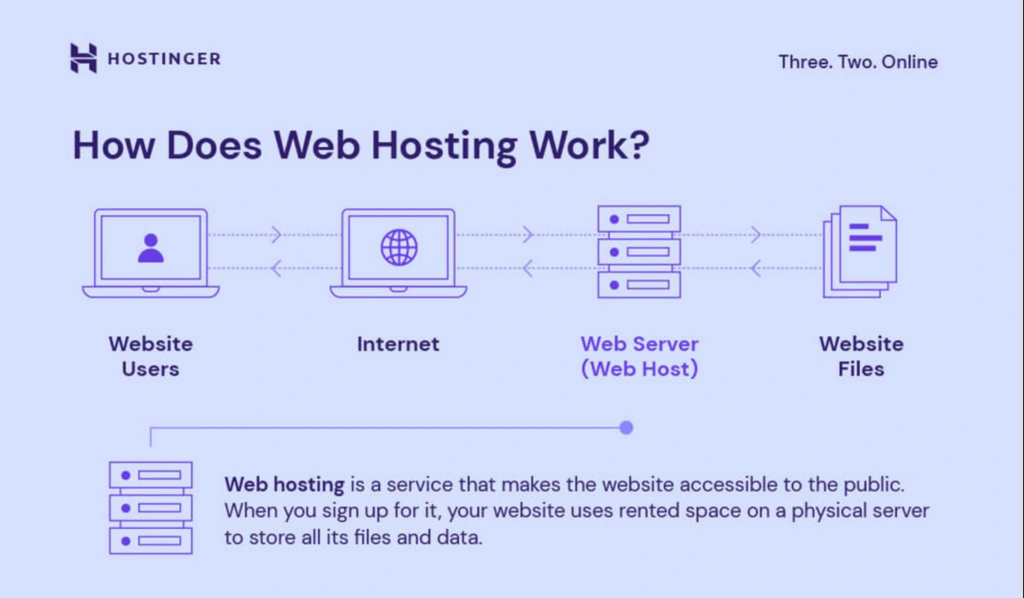
Credit: www.hostinger.com
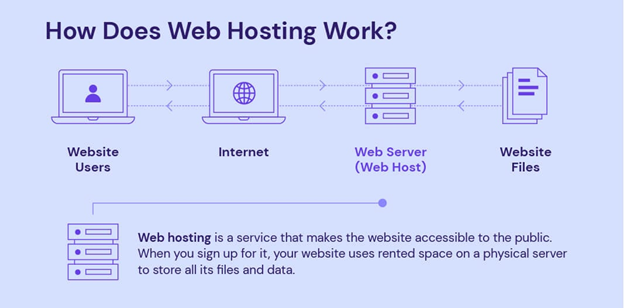
Credit: zeslecp.com
Frequently Asked Questions
What Do Web Hosts Provide?
Web hosts provide server space, domain registration, and technical support for websites. They ensure your site is accessible online.
What Are The Responsibilities Of Web Hosting?
Web hosting manages server resources, ensures uptime, provides security, offers technical support, and facilitates domain management. It stores website files, handles traffic, and optimizes performance. Hosting services safeguard data and provide backup solutions, ensuring seamless website accessibility and functionality.
Why Do You Need A Website Host?
A website host stores your site’s data, ensuring it’s accessible online. It provides security, speed, and reliability. Without hosting, your website cannot function. Choose a host that matches your site’s needs for optimal performance and user experience. Hosting is essential for maintaining your site’s presence on the internet.
Why Do People Use Web Hosting?
People use web hosting to store their website files online. It ensures websites are accessible globally. Hosting provides storage, security, and reliable performance. It enables businesses to establish an online presence. Users can manage and update their sites easily. Web hosting is essential for reaching a wider audience.
Conclusion
Choosing a web host is crucial for your site’s success. It impacts speed, security, and uptime. A good host provides reliable support. This makes problem-solving easy. Consider features like storage and bandwidth. They affect site performance. Pricing matters too. Compare plans for value.
Ensure the host offers backups. This protects your data. Check reviews for real user experiences. They reveal strengths and weaknesses. A thoughtful decision builds a strong foundation. Your site’s future depends on it.


