
Have you ever wondered what happens when you type a web address into your browser? How does a website appear on your screen, ready for you to explore?
The magic behind this seamless experience is something called web hosting. Understanding what web hosting means can unlock a world of opportunities for you, whether you’re looking to start a personal blog, launch an online business, or simply satisfy your curiosity about the internet’s inner workings.
Imagine your website as a house. Just as a house needs a plot of land to sit on, your website needs a space on the internet. This space is provided by web hosting. But what exactly is web hosting, and why is it crucial for your online presence? By the end of this article, you’ll have a clear understanding of web hosting, empowering you to make informed decisions for your digital projects. Ready to demystify the backbone of the internet? Let’s dive in and explore how web hosting plays a pivotal role in getting your website from concept to reality.
Types Of Web Hosting
In shared hosting, many websites share one server. It’s affordable and great for beginners. But, if one site gets busy, others slow down. Good for small sites with low traffic.
Dedicated hosting means you get a whole server. It’s just for your website. This offers better performance and more control. It costs more. Suitable for big sites with high traffic.
VPS stands for Virtual Private Server. It acts like a mini server within a server. You get more control than shared hosting. It’s cheaper than dedicated hosting but offers better performance.
Cloud hosting uses many servers. If one fails, another takes over. It’s reliable and handles traffic spikes well. You pay for what you use. Perfect for growing websites.

Credit: rackset.com
Key Features Of Web Hosting
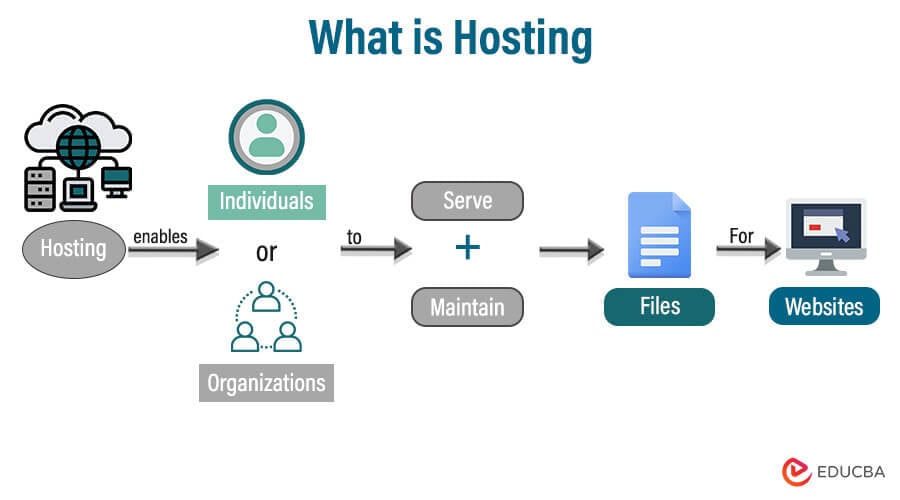
Web hosting allows you to store your website files. It gives you space on a server. Bandwidth tells how much data you can move. Storage is the space for your files. More bandwidth means faster loading. More storage means more files can be stored. Choose wisely based on your needs.
Uptime tells you how often your site is online. Reliability is important for your website. A good host offers 99% uptime. It means your site is almost always available. Downtime can lose you visitors. So, choose a host with high reliability.
Security keeps your site safe from bad people. A good web host offers SSL certificates. This keeps data safe. Firewalls block harmful traffic. Regular backups ensure data is not lost. Strong security makes your website safe.
Customer support helps solve problems quickly. A good host offers 24/7 help. They answer questions anytime. Live chat and phone support are best. Helpful support makes fixing issues easy. Choose a host with great support.
Domain Name And Web Hosting
A domain name is like an address for your website. People type it to find your site. Domain names should be easy to remember. They are not the same as web hosting. Web hosting is where your website files live. You need both to have a website online.
Domain registration is the process of buying a domain name. Choose a name that matches your website’s purpose. Register it with a domain registrar. You own the domain for a set time. It can be a year or more.
DNS configuration helps connect your domain name to your web hosting. It tells the internet where to find your website. DNS stands for Domain Name System. Make sure your DNS settings are correct. This ensures your website loads properly.
Credit: www.educba.com
How Web Hosting Works
Web hosting uses computers called servers. These servers store website files. They run all the time. Hosting companies manage these servers. They make sure the servers work well. When someone types a website name, the server sends the website files to their computer. This lets them see the website.
Data travels from the server to the user’s computer. This happens through the internet. The server sends data quickly. This makes websites load fast. Network cables carry the data. Wireless signals can also carry data. Strong signals mean faster loading. Good hosting makes sure data moves smoothly. This helps keep websites online.
Choosing The Right Web Hosting Provider
Think about your website’s needs. Will it be big or small? Traffic volume matters. A big site needs more resources. Storage space is also important. More files need more space. Think about the type of website too. A blog, an online store, or a portfolio? Each has different needs. Choose a hosting plan that fits these needs.
Hosting plans vary a lot. Some offer unlimited bandwidth. Others have strict limits. Check if there are extra features. Like email accounts or a free domain. Prices can change based on features. A cheap plan might lack support. A more expensive one may have more perks. Always compare the features and prices carefully.
Reputation is key in choosing a provider. Read customer reviews online. They tell you about the service quality. A provider with good reviews is usually reliable. Check their uptime guarantee too. More uptime means your site is always online. Consider the support team. Quick help when needed is valuable. A good reputation often means better service.

Credit: www.layerhost.com
Common Web Hosting Issues
Downtime can be a big problem. Websites may go offline. This can happen anytime. It can hurt businesses. Customers cannot visit the site. Sales can be lost. Website owners must find good hosting. Reliable hosting means less downtime. Good services have backup systems. These help keep sites online. Always check host reviews. Choose one with high uptime. This means the site stays up most of the time.
Security breaches are serious. Hackers can attack websites. They may steal data. This is bad for users. Trust is lost. Web hosts should provide strong security. Look for SSL certificates. These keep data safe. Check for firewalls. These block bad traffic. Good hosts have 24/7 monitoring. This helps stop attacks fast. Always update website software. Keep it safe from hackers.
Frequently Asked Questions
What Is Meant By Web Hosting?
Web hosting provides online storage space for websites, making them accessible on the internet. Hosting services include server space, bandwidth, and technical support. They ensure your website remains online, secure, and performs efficiently, allowing users to access your site anytime.
Choose reliable hosting for optimal website performance and user experience.
Can I Run My Website Without Hosting?
Running a website without hosting isn’t possible. Hosting is essential for storing website files and making them accessible online. You need a hosting service to publish your website on the internet. Explore various hosting options to find the best fit for your needs and budget.
What Are The 3 Types Of Web Hosting?
The three types of web hosting are shared hosting, VPS hosting, and dedicated hosting. Shared hosting is cost-effective, VPS offers more control, and dedicated hosting provides maximum resources and security. Each type suits different needs based on website size, traffic, and budget.
What Is An Example Of A Web Host?
A popular example of a web host is Bluehost. It offers reliable hosting services and 24/7 support for websites. Other examples include HostGator and SiteGround, providing diverse hosting plans and features to suit different needs. These hosts help users manage and publish their websites online efficiently.
Conclusion
Web hosting is essential for any website. It stores your site’s data online. Without hosting, your website can’t exist. Different types offer various features. Shared hosting is affordable but limited. VPS hosting gives more control. Dedicated hosting is for large sites needing high performance.
Choose based on your site’s needs. Understand costs, speed, and security. A good host ensures smooth operation. Reliable service prevents downtime. Consider customer support, too. It’s crucial for resolving issues quickly. Make informed choices to build a strong online presence.
Start with understanding your site’s requirements first.


