
Have you ever wondered what makes your favorite websites accessible whenever you type their address into your browser? The answer lies in web hosting.
If you’re curious about what web hosting really means and how it affects your online experience, you’re in the right place. Understanding web hosting is crucial, especially if you’re planning to create your own website or blog. It’s like the foundation of a house; without it, your website simply can’t exist on the internet.
Imagine your website as a book, and web hosting as the library that stores and organizes it. Just like you need a library to access books, you need web hosting to make your website accessible to others. Keep reading to unravel the mysteries of web hosting and discover why it matters to you and your online ventures.
Web Hosting Basics
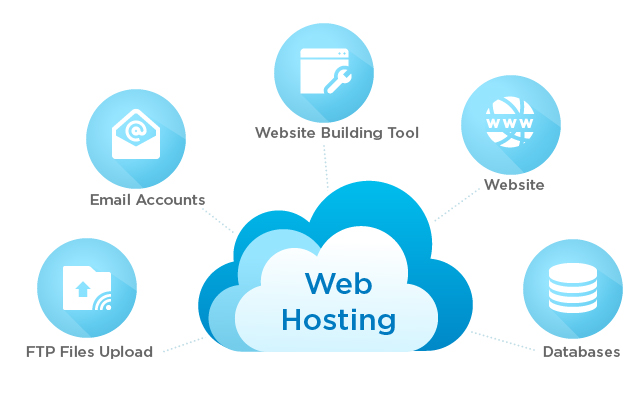
Web hosting is like renting space on the internet. Your website needs a home. Hosting gives it that home. Files and data live on a server. This server is always on, like a light bulb. People can see your site anytime. It’s important for a site to be live. Without hosting, websites can’t be seen. Hosting makes sites visible to everyone.
There are different types of hosting. Shared hosting is like sharing a room. Many sites use one server. It’s cheap and simple. Dedicated hosting gives a whole server to one site. It costs more but is faster. Cloud hosting uses many servers. It’s flexible and can grow. VPS hosting is like a private room in a big house. It’s in between shared and dedicated.
Credit: petalhost.com
Types Of Web Hosting
Shared hosting is like sharing a room with others. Many websites live on one server. Costs are low because resources are shared. Perfect for small websites. Limited space and power. If one site gets busy, others might slow down.
VPS stands for Virtual Private Server. It’s like having your own apartment in a building. You get more space and control. Better performance than shared hosting. Costs more but worth it for growing websites. Your space is private, not shared.
Dedicated hosting means you have the whole house to yourself. The server is all yours. High control and power. Great for big websites with many visitors. Most expensive option. You decide everything about the server.
Cloud hosting uses many servers to host your site. It’s like having many homes. Scalable and flexible. If one server fails, others keep your site up. Pay for what you use. Best for sites with changing visitor numbers.
Key Features To Consider
Websites need to be up and running. A good host offers 99.9% uptime. This means your site is always available. Look for hosts with strong server reliability. Downtime can lose you visitors.
More visitors need more bandwidth. Large files require more storage. Choose a plan that matches your needs. Make sure there’s room to grow. Always check for hidden limits.
Protect your data with strong security measures. Good hosts offer SSL certificates. These keep data safe. Look for hosts with firewalls and backups. Security is very important.
Help should be available 24/7. Look for hosts with live chat or phone support. Quick help can solve problems fast. Good support makes a big difference.
Choosing The Right Hosting Provider
Check the provider’s reputation online. Read customer reviews carefully. Happy customers mean good service. Bad reviews can be a warning. Friends might know good hosting choices. Ask them about their experience. A trusted host is important.
Hosts offer different pricing plans. Some plans are cheap but limited. Expensive plans might offer more features. Compare prices and features. Choose a plan that fits your needs. Budget-friendly plans are a good start. Always check for hidden fees.
Scalability matters if your website grows. Many hosts allow easy upgrades. Upgrading means more space and speed. Small sites might not need it now. Growing sites need more power later. Check if upgrades are simple.
Technical support must be reliable. Problems happen sometimes. Quick support can fix issues fast. 24/7 support is ideal. Helpful staff make things easier. Good support means less worry. Look for hosts with strong support teams.
Benefits Of Good Web Hosting
Good web hosting helps your site load fast. This keeps users happy. Slow sites make users leave. Happy users visit again. This means more visitors for you.
With strong hosting, your site is safe. It blocks bad guys. Your data stays private. This builds trust with your visitors.
Search engines like fast, safe sites. They rank them higher. Better rankings bring more visitors. More visitors can lead to more sales.
Your site looks professional with great hosting. This boosts your business credibility. People trust and buy from trusted sites.
Common Challenges And Solutions
Downtime can upset website users. It can happen because of server problems. Regular checks help spot issues early. Choose a host with good uptime records. Backups are key during outages. They ensure data safety. Monitoring tools can alert you about downtime. Fix issues fast to keep users happy.
Websites face many security threats. Hackers look for weak spots. Use strong passwords and firewalls to protect data. SSL certificates keep information safe. Regular updates prevent security holes. Security plugins add extra safety layers. Educate users about safe practices.
Data loss can be scary. It happens during crashes or hacks. Regular backups keep data safe. Use cloud storage for extra protection. Backup tools automate data saving. Test backups to ensure they work. Restoring data fast reduces damage.
Websites grow and need more space. Scalability ensures they handle more users. Cloud hosting allows easy scaling. Choose hosts with flexible plans. Load balancing helps distribute traffic evenly. Plan for growth to avoid issues. Anticipate needs before they arise.
Future Trends In Web Hosting
Web hosting can be eco-friendly too. Green hosting uses less energy. It often relies on renewable energy sources like wind and solar. This helps reduce the carbon footprint. Many companies now offer green hosting plans. These plans support the environment. It’s a small step, but it helps our planet.
AI makes web hosting smarter. Automation handles tasks like updates and backups. This saves time and reduces errors. Websites run more smoothly. AI can also improve security. It can detect threats quickly. Automation and AI make hosting easier for everyone.
Edge computing brings data closer to users. This means faster load times. Websites perform better. Data doesn’t have to travel far. This trend is growing. It’s great for real-time data needs. Edge computing helps with speed and efficiency.
Serverless architecture means no need to manage servers. Hosting companies do it for you. This is cost-effective and simple. You pay only for what you use. Serverless is flexible. It scales up or down easily. Many businesses find it convenient.

Credit: www.layerhost.com

Credit: www.easysite.com
Frequently Asked Questions
What Is Web Hosting With An Example?
Web hosting provides online storage for websites, making them accessible on the internet. For example, Bluehost hosts websites, offering server space and services to keep sites running smoothly.
What Is The Purpose Of Web Hosting?
Web hosting provides the necessary infrastructure to store and serve website files on the internet. It ensures your site is accessible globally, offering speed, security, and reliability. Choosing the right hosting enhances your site’s performance and user experience, crucial for SEO success and online visibility.
What Are The 3 Types Of Web Hosting?
The three types of web hosting are shared hosting, VPS hosting, and dedicated hosting. Shared hosting is affordable and suitable for beginners. VPS hosting offers more control and resources than shared hosting. Dedicated hosting provides the highest level of performance and control, ideal for large websites.
Can I Run My Website Without Hosting?
A website requires hosting to be accessible online. Hosting stores your site’s files and data on a server. Without hosting, your website won’t be visible to users or function correctly. Choose a reliable hosting provider to ensure your website is live and operational.
Conclusion
Web hosting is the backbone of any website. It provides space and resources online. Choosing the right host is crucial. It impacts your site’s speed and security. Cost and features vary widely. Research and compare options carefully. Know your needs and budget.
Shared hosting suits small sites. For larger sites, consider VPS or dedicated hosting. A reliable host ensures smooth online operations. Always keep your audience in mind. They seek fast and easy access to your content. Reliable hosting helps you meet their expectations.
Happy users return, boosting your site’s success.


