
Are you ready to launch your own website but feeling a bit lost when it comes to web hosting? You’re not alone.
Web hosting is a crucial component of getting your site live, yet it often feels like a mystery to many. Imagine your website as a book that needs a library to be accessible to readers. Web hosting is that library, giving your website a space on the internet.
We’ll unravel the concept of web hosting, breaking it down into simple terms that you can easily understand. By the end, you’ll know exactly what web hosting is and why it’s the backbone of your online presence. Curious to discover more? Let’s dive in and demystify web hosting together.
Web Hosting Basics
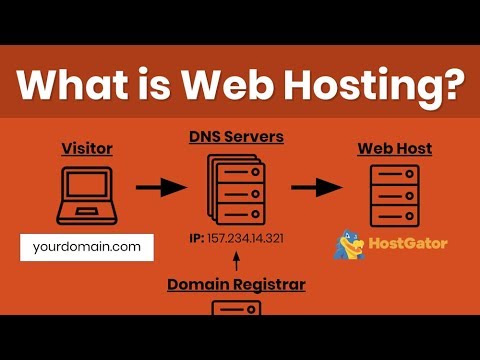
Web hosting makes your website live on the internet. It stores all your website files. These files include text, images, and code. Hosting companies provide this service. They have powerful computers called servers. People can see your website from anywhere in the world. They just need an internet connection. Hosting keeps your website running 24/7. It ensures quick loading times. This is crucial for user experience. Without web hosting, a site cannot exist online.
There are different types of web hosting. Shared hosting is the most basic. Many websites use one server. It is cost-effective but shares resources. VPS hosting offers more control. It divides a server into smaller parts. Each part acts like its own server. Dedicated hosting gives you a full server. You have full control and resources. It is great for big websites. Cloud hosting uses many servers. It is reliable and scalable. Your site can handle more visitors easily.
Credit: www.youtube.com
Shared Hosting
Web hosting provides space on a server for your website. Shared hosting allows multiple websites to use one server. It’s cost-effective and ideal for small sites with moderate traffic.
Pros And Cons
Shared hosting is a popular choice for many. It is affordable, making it great for small budgets. You share a server with others. This makes it cost-effective. The setup is easy for beginners. You do not need special skills. Support is often available 24/7. There are some downsides too. You share resources with others. This might slow your site at times. Security can be less strong. Sometimes, one site’s problems can affect others.
Ideal Users
Small businesses benefit from shared hosting. Personal blogs work well with it. New websites often start here. It is perfect for users with limited technical knowledge. Those who want to save money choose this. If your site does not need much power, it is a good fit. Great for sites with low traffic. If your site grows, you might need more power later.
Dedicated Hosting
Dedicated hosting means your own server. No sharing with others. It offers great speed and performance. Your website is always fast. It handles a lot of visitors. Security is better too. You control all the settings. This is good for big websites. Or those who need special features. It’s like having your own computer. Only you can use it. This makes everything safe and private.
Big companies need dedicated hosting. They have a lot of data. Online stores also need this. They have many customers. It is also for websites with many visitors. Or if you need high security. Small sites may not need it. They can use shared hosting. But for big sites, dedicated is best. It gives control and power.
Vps Hosting
VPS Hosting offers a middle ground between shared and dedicated hosting. It provides more control and resources than shared hosting. Ideal for growing websites needing better performance.
Advantages
VPS hosting offers more control than shared hosting. You get a virtual server. This means you can customize it. Install software you need. Resources are not shared. This provides better performance. Your website runs smoothly. Security is enhanced. With VPS, you get dedicated resources. RAM and CPU are allocated just for you. This reduces downtime. Your site stays online more often.
How It Differs From Other Types
VPS hosting is a middle ground. It is between shared and dedicated hosting. Shared hosting is cheaper. But resources are shared with others. Dedicated hosting is costly. You get a whole server to yourself. VPS is affordable. You get some dedicated resources. It’s more reliable than shared hosting. Less expensive than dedicated hosting. You have more control than shared. Less control than dedicated. VPS is perfect for growing websites.
Cloud Hosting
Scalability Features make cloud hosting special. You can add more resources. Or you can take them away. This helps when your website grows fast. You don’t need to worry about sudden traffic spikes. It’s like having a magic bag. A bag that can hold more when needed. So your site stays fast and smooth.
Cost Implications can vary with cloud hosting. You often pay for what you use. This is like using a mobile phone. You pay for the calls you make. No need to pay for extra features you don’t need. This makes it a flexible choice. But costs can add up if you’re not careful. Always keep an eye on usage.

Credit: www.godaddy.com
Factors In Choosing A Host
Performance metrics are vital for any website. Speed affects how visitors feel. A slow website loses users fast. Look for hosts with high-speed servers. This ensures quick loading times. Uptime is crucial too. It shows how often a site is online. Aim for 99% or more uptime. This keeps your site available. Bandwidth matters as well. It affects how much data you can transfer. Higher bandwidth means more visitors can access your site. These metrics are key for a smooth experience.
Security is important to protect your site. Choose a host with strong security features. SSL certificates encrypt data. This makes it safe for users. Regular backups protect against data loss. A host should offer them often. Firewalls help block malicious attacks. They keep your site secure. Some hosts offer malware scanning. This detects harmful software early. Security keeps your site safe and trusted.
Good customer support is essential. Problems can happen anytime. Look for hosts with 24/7 support. This helps solve issues quickly. Live chat is fast and easy. Phone support gives immediate help. Email support is good for detailed questions. Check reviews for support quality. A helpful team makes hosting stress-free. Support should be friendly and knowledgeable.
Role In Website Success
Web hosting is a service that stores website files and makes them accessible online. It plays a vital role in website success by ensuring fast load times and reliable access for users. Choosing the right web hosting provider can enhance user experience and boost your site’s performance.
Impact On User Experience
Good web hosting makes websites load quickly. Slow websites make visitors unhappy. Fast websites keep users interested. Hosting affects how smooth a website works. It keeps pages from crashing or freezing. Users like sites that work well.
Seo Benefits
Good hosting helps SEO. Search engines rank fast sites higher. Slow sites rank lower. Reliable hosting improves site uptime. Uptime means the site is always online. Search engines prefer sites that are always online. Good hosting makes sites secure. Secure sites are trusted more. Trusted sites rank better.

Credit: www.hostinger.com
Future Trends In Web Hosting
Web hosting is changing fast. New technologies make websites quicker and safer. Cloud hosting is popular. It helps websites handle more visitors. Artificial Intelligence (AI) helps improve security. AI can spot threats and stop them. Green hosting is another trend. It uses less energy and is better for our planet. These changes help websites work better and faster.
The web hosting market is growing. More people and businesses need websites. They look for reliable hosting. Prices may drop as more companies join the market. Security features will improve. People want their data safe. Customer support will get better too. Companies will offer 24/7 help. This will make users happy. The future looks bright for web hosting.
Frequently Asked Questions
What Do You Mean By Web Hosting?
Web hosting is a service that stores and manages website files on servers, making them accessible online. It ensures your website is available to users worldwide, offering storage space, bandwidth, and security features. Hosting providers offer various plans tailored to different needs, ensuring optimal performance and reliability.
What Are The 3 Types Of Web Hosting?
The 3 types of web hosting are shared hosting, dedicated hosting, and VPS hosting. Shared hosting shares resources among users. Dedicated hosting offers exclusive server access. VPS hosting provides virtual private servers for better control and customization.
Can I Run My Website Without Hosting?
Web hosting is essential for your website to be accessible online. Without hosting, your site won’t be visible. Hosting provides storage and server space for your site. Choose a reliable hosting provider for better site performance.
How Much Does Web Hosting Cost Per Month?
Web hosting costs vary widely, ranging from $3 to over $100 monthly. Shared hosting is the cheapest option. VPS and dedicated servers are more expensive. Prices depend on features, storage, bandwidth, and support. Always compare plans to find the best fit for your needs and budget.
Conclusion
Web hosting is key to making your website accessible online. It stores your site files and ensures people can visit. Choosing the right host affects speed, security, and reliability. Understand your needs and compare options. Look at storage, bandwidth, and support services.
A good host enhances your online presence. It helps your website run smoothly and efficiently. Make informed decisions for your website’s success. Remember, web hosting is a foundation for your digital journey. Keep learning and exploring to make the best choice for your site.


