
Ever wondered how your favorite websites appear on your screen in the blink of an eye? It all starts with web hosting.
Understanding web hosting is crucial, especially if you’re thinking about starting your own website. But, with so many types of hosting available, it can be a bit overwhelming. Don’t worry, though. You’re not alone in this! By the end of this article, you’ll have a clear grasp of what web hosting is and which type might be the perfect match for your needs.
So, if you’re ready to dive into the world of hosting and make the best choice for your online presence, keep reading. You’ll discover insights that could save you time and frustration. Let’s get started!
What Is Web Hosting?
Web hosting lets websites live on the internet. It’s like renting a space online. Every website needs a host to show its content. Hosting stores website data on special computers called servers. These servers run 24/7. Without hosting, people can’t see your website.
Every website needs hosting. It helps websites be seen by people. Hosting makes sure a site runs smoothly. Good hosting keeps websites safe from hackers. It also makes sure sites load fast. Slow sites can lose visitors.
Hosting works by storing website files on servers. When someone types a website name, the server sends files to their computer. This makes the website appear on their screen. Hosting companies have many servers. They keep sites online all the time. They fix problems quickly so sites stay up.
Shared Hosting
Shared hosting means many websites on one server. Each site gets a part of the server’s resources. It’s affordable and easy to set up. Ideal for small websites or blogs. Most hosting providers offer shared plans with control panels. These panels help manage your site easily.
- Pros: Low cost. Easy to use. Good for beginners.
- Cons: Limited resources. Slower during high traffic. Less control over settings.
Perfect for beginners and small businesses. Also great for personal blogs or hobby sites. Not for large sites or those needing high performance. Best if you don’t expect much traffic.
Vps Hosting
A Virtual Private Server (VPS) is like a big house. You get your own room in it. This room is part of a larger building. But it feels like your own home. It is private and secure. You can control it. You can change it the way you want. This is what makes VPS special.
VPS offers many benefits. It gives more control over your hosting. It is more secure than shared hosting. You get more resources like RAM and CPU. Your website runs faster. It can handle more visitors. So, it is a good choice for growing websites.
VPS is best for websites that are growing. If a site has more visitors, VPS is good. It is also for those who want more control. People who need more security like VPS. It is perfect for businesses and developers.
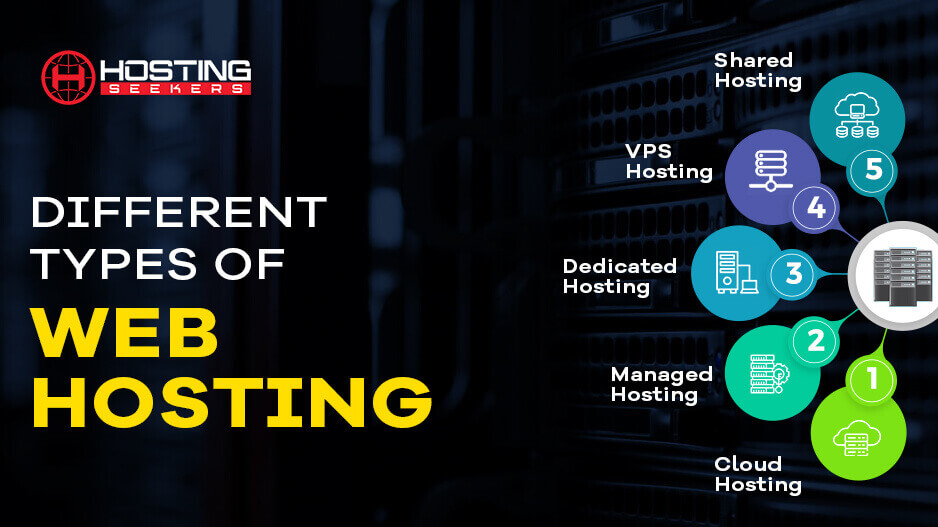
Credit: www.hostingseekers.com
Dedicated Hosting
A dedicated server is a powerful computer. It is used for web hosting. Only one customer uses it. This means no sharing. The server is all yours. It gives you full control. You can choose the software. You can also choose the settings. It is like having your own big computer. But it is at the data center. This keeps your website fast and safe.
Advantages of dedicated hosting include high performance. It is also very secure. You get full control over the server. But there are disadvantages too. It is more expensive. It needs technical skills. You must know how to manage it. If not, you may need help.
Dedicated hosting is best for large businesses. Also, for busy websites. They need high performance and security. Tech-savvy users fit well. They know how to run servers. Small businesses may not need it. It can be too much for them.
Cloud Hosting
Cloud hosting uses many servers. These servers work together. Data is stored in the cloud. This means it is on the internet. It is not on one computer. This makes it reliable. If one server fails, others help. This keeps websites online.
Cloud hosting is scalable. Websites can grow easily. No need to buy more hardware. It’s also cost-effective. Pay for what you use. Security is high. Data is safe. Performance is good. Websites load fast. This keeps users happy.
Small and large businesses can use cloud hosting. Startups benefit a lot. They can grow quickly. E-commerce sites need it. It handles many visitors. Educational sites use it too. They need reliable hosting. Cloud hosting is flexible for all.
Managed Hosting
Managed hosting takes care of all the technical details. This includes server maintenance, security, and software updates. Your website stays safe and runs smoothly. You can focus on your business. No need to worry about the tech stuff.
Expert support is always available. This is great for those who are not tech experts. Managed hosting can save time. You get better performance and security. This is important for online businesses. Managed hosting can help your site run faster.
Managed hosting is ideal for e-commerce sites. It is also good for blogs with high traffic. Businesses that rely on their website choose managed hosting. It provides reliable support and top-notch security. Large websites benefit from the efficient management it offers.
Reseller Hosting
Reseller hosting lets you sell hosting services. You get a large hosting package. You can split it into smaller packages. Sell these to others. This is the Reseller Hosting Business Model. You can earn money through this.
It has Pros and Cons. Pros include low startup cost. Easy to manage. Good for small businesses. Cons include limited control. You depend on the main host. If they have problems, you have problems.
Who Can Benefit? Web designers can benefit. They can offer hosting to clients. Small businesses can also benefit. They can start with small packages. Grow as needed. Reseller hosting is flexible.
Colocation Hosting
Colocation hosting means renting space in a data center. You place your server there. The data center provides electricity. It also gives internet and cooling. You own the hardware. The data center handles the environment. This setup is secure and stable. You control software and updates. Maintenance is your job. Colocation gives flexibility. It offers more security than personal setups. It is a good choice for businesses with tech needs.
- Security: Data centers are safe with guards.
- Reliability: Power backup ensures uptime.
- Scalability: Easy to add more servers.
- Cost Savings: No need to build your own center.
- Control: You manage your own server.
Colocation is great for growing businesses. It suits companies with tech skills. Ideal for those needing control. Perfect for firms with high data needs. Good for IT teams wanting security. Suitable for businesses that handle sensitive information. Benefits those with large websites. Best for those needing reliable service. Helpful for firms expanding fast.
Choosing The Right Hosting
Think about website size. Is it small or large? Small sites need less space. Traffic levels matter too. More visitors need more power. Budget is key. Some hosts are cheap. Some are costly. Support is vital. Quick help saves time. Choose reliable providers. They keep sites running. Security is crucial. Protect data from threats.
Shared hosting is budget-friendly. Many sites share space. Dedicated hosting offers full control. It’s costlier. VPS hosting is a mix. It gives some control. Cloud hosting scales with needs. It’s flexible. Managed hosting provides extra help. Tech experts handle tasks. Each type suits different needs. Choose wisely.
List your website needs. Match them with hosting types. Think about future growth. A good host can grow with you. Read customer reviews. They show real experiences. Trial periods are helpful. Test before you buy. Evaluate features and plans. Choose what’s best for you.

Credit: elementor.com
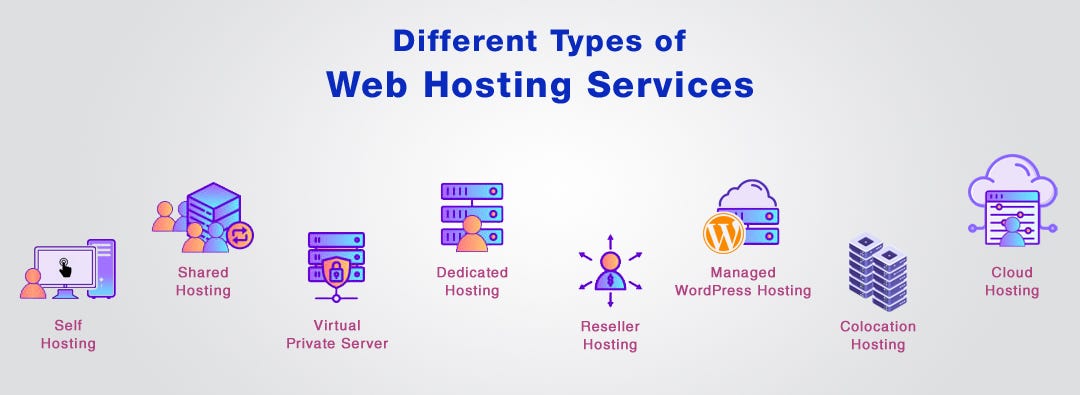
Credit: medium.com
Frequently Asked Questions
What Does Web Hosting Mean?
Web hosting provides space on a server to store your website files. It enables online accessibility for users. Hosting services vary in features, security, and support. Choosing the right plan ensures optimal performance and reliability. Popular types include shared, VPS, and dedicated hosting.
Select based on your website needs and budget.
What Are The 3 Types Of Web Hosting?
The three types of web hosting are shared hosting, VPS hosting, and dedicated hosting. Shared hosting offers cost-effective solutions. VPS hosting provides more control and resources. Dedicated hosting delivers maximum performance and security. Each type suits different needs, from personal blogs to large business websites.
What Is An Example Of A Web Host?
An example of a web host is Bluehost. It offers reliable hosting services with features like domain registration, website building tools, and customer support. Known for its affordability, Bluehost is popular among beginners and small businesses. It provides various hosting options like shared, VPS, and dedicated servers.
What Is The Difference Between Web Hosting And Server Hosting?
Web hosting involves storing websites on shared servers for online access. Server hosting provides dedicated servers for exclusive use, offering more control and resources.
Conclusion
Choosing the right web hosting is essential for your online presence. Different types cater to various needs. Shared hosting suits beginners. It’s cost-effective and simple. VPS hosting offers more control and resources. Ideal for growing sites. Dedicated hosting gives full server access.
Best for high-traffic sites. Cloud hosting provides flexibility and scalability. Great for fluctuating demands. Each type has unique benefits. Consider your site’s requirements. Budget, traffic, and future growth matter. Research and compare options. Select a host that aligns with your goals.
A good choice ensures smooth performance and user satisfaction.


