
Have you ever wondered what exactly web hosting companies do and why they are crucial for your online presence? If you’re planning to launch a website or just curious about the digital world, understanding web hosting is essential.
Imagine your website as a book and the internet as a vast library. Web hosting companies are like the shelves that store your book, making it accessible to anyone who wants to read it. Without these vital services, your website would remain unseen and unreachable.
Dive into this article to unravel the mysteries of web hosting and discover why choosing the right company is key to your online success. You’ll learn how these companies can impact your website’s speed, security, and reliability, ensuring your audience gets the best experience possible. So, let’s get started and explore how web hosting can elevate your digital presence.
Credit: www.techradar.com
Types Of Web Hosting
Shared hosting is like sharing a room with others. Many websites use the same server. It’s a budget-friendly option. Perfect for small websites or beginners. Resources are shared among all users. If one website uses too much, others might slow down. It’s easy to set up and manage. No technical skills needed. Great for blogs or small businesses.
VPS is like having your own room in a big house. You get more control and resources. Websites run faster compared to shared hosting. It’s a bit more costly. Ideal for growing websites. You can install custom software. Requires some technical knowledge. Offers better security and performance.
With dedicated hosting, you have the whole house to yourself. The server is yours alone. It’s powerful and secure. Best for large websites or businesses. High traffic websites benefit most. It’s the most expensive option. You need technical skills to manage it. Offers top performance and reliability.
Cloud hosting uses many servers. Your website is hosted in the cloud. If one server fails, others take over. It’s scalable and flexible. You pay for what you use. Good for websites with varying traffic. Offers high performance and uptime. It’s cost-effective and reliable. Suitable for all sizes of websites.
Key Features Of Web Hosting
Storage space is where your website files live. Bigger sites need more space. Small blogs need less. Choose a host with enough storage for your needs.
Bandwidth is how much data your site can send or receive. More visitors need more bandwidth. Low bandwidth might slow your site.
Domain management lets you handle your website names. You can add or change domains. Good hosts make this easy. This feature is very important.
Security measures protect your site from hackers. Look for firewalls and SSL certificates. These features keep your site safe. A secure site builds trust.
Choosing The Right Web Hosting Company
Price matters a lot when choosing hosting. Some companies are cheap. Others cost more. Budget matters. But features matter too. More features can mean more money. Compare what you get for your money. Look for hidden fees. Sometimes, extra costs surprise you. Pick a company that fits your budget.
Good support is important. Problems happen. You need quick help. Check if support is 24/7. Some companies offer chat. Others use email or phone. Fast help can save your day. Read reviews. See what others say about support. Choose a company with happy customers.
Websites grow. More visitors mean more resources. Scalability is key. Check if you can upgrade easily. Some plans offer flexible options. You might need more space. Or more bandwidth. Future growth matters. Plan ahead. Pick a company that grows with you.
Websites must be online. Downtime means lost visitors. Check uptime guarantees. 99% or higher is good. Reliable hosts have less downtime. Look for backup systems. They protect your data. Choose a company with strong uptime records. Ask about their server health. Reliable hosts keep websites running.
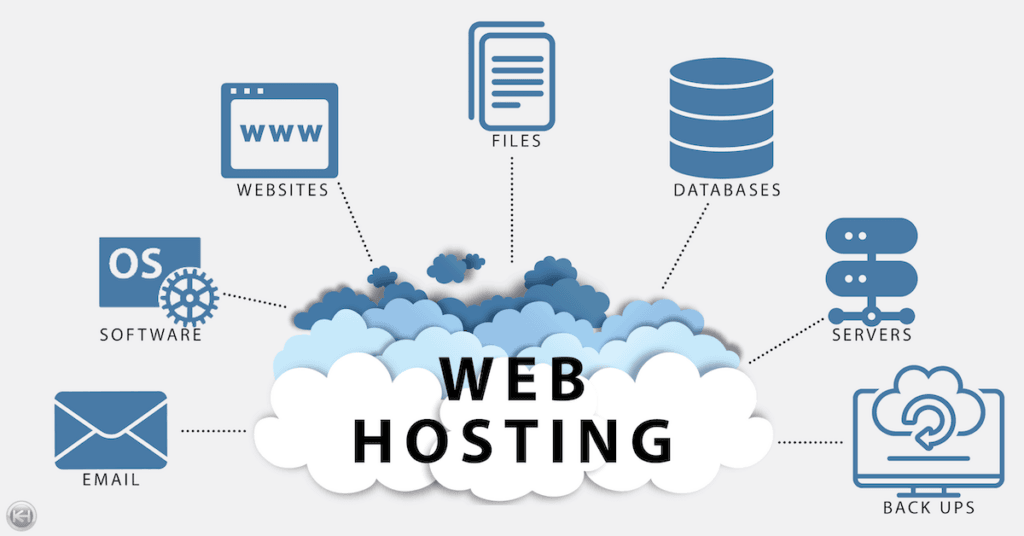
Credit: www.ramotion.com
Popular Web Hosting Providers
| Provider | Features | Price |
|---|---|---|
| Bluehost | Free domain, 24/7 support | $2.95/month |
| HostGator | Unlimited storage, easy setup | $2.75/month |
| SiteGround | Fast servers, great security | $3.99/month |
Bluehost has a user-friendly interface. It is good for beginners. But, it can be slow at times. HostGator offers unlimited storage. This is great for big sites. Yet, their support is not always fast. SiteGround provides excellent security. It is also very fast. But, it costs more than others.
Impact Of Hosting On Website Performance
Fast hosting means quick website loading. Slow hosting can frustrate users. Users leave if pages take too long. Hosting impacts speed directly. Faster sites rank better. Quick load times improve user satisfaction.
Speed affects SEO rankings. Search engines prefer fast sites. Slow sites drop in results. Hosting choice impacts ranking. Quality hosting boosts visibility. Faster sites have better SEO scores.
Good hosting improves user experience. Users enjoy fast websites. Slow websites annoy visitors. Hosting affects site reliability. Reliable hosting keeps sites running. Users trust stable websites. Trust leads to more visits.
Future Trends In Web Hosting
Web hosting uses a lot of energy. Green hosting tries to fix this. It uses renewable energy. This helps the earth. Many companies now use solar or wind power. This saves energy and reduces the carbon footprint. It helps make the planet cleaner.
AI helps in managing web servers. Automation makes work easier. It can handle tasks like updates. This saves time and reduces errors. AI can also help with security. It keeps websites safe from hackers. This makes hosting more reliable.
Serverless architecture is cost-effective. You only pay for what you use. It doesn’t need a physical server. This is good for small websites. They can grow without extra cost. This type of hosting is flexible and easy to manage.

Credit: www.transpacific-software.com
Frequently Asked Questions
What Do Web Hosting Companies Do?
Web hosting companies provide servers to store websites, making them accessible online. They offer domain registration, email hosting, and security features. They manage server maintenance, uptime, and technical support, ensuring smooth website performance. Hosting plans vary, catering to different needs like shared, VPS, or dedicated hosting.
What Is The Purpose Of Web Hosting?
Web hosting stores your website files on a server, making it accessible online. It ensures website availability, performance, and security. Hosting services provide necessary resources like bandwidth and storage to support website operations.
How Much Do I Pay To Host A Website?
Hosting a website costs range from $2 to $500 monthly, depending on needs. Shared hosting is cheapest, while dedicated or cloud hosting costs more. Always consider factors like bandwidth, storage, and customer support. Prices vary by provider, so compare options to find the best fit for your budget.
What Are The 3 Types Of Web Hosting?
The three types of web hosting are shared hosting, VPS hosting, and dedicated hosting. Shared hosting is cost-effective but shares resources. VPS hosting offers more control and scalability. Dedicated hosting provides maximum performance and customization, ideal for high-traffic websites. Choose based on your budget, technical needs, and site traffic.
Conclusion
Choosing the right web hosting company is important. It affects your website’s performance and reliability. Consider factors like speed, security, and customer support. Research different options and compare their features. Look for reviews from other users. Make sure the hosting plan fits your website’s needs.
A good choice can enhance your online presence. Poor hosting can cause issues and frustration. Take your time to decide. Ensure you understand what each company offers. A reliable web host supports your website’s success. Happy hosting!


