
Have you ever wondered what makes a website accessible to you anytime, anywhere? The answer lies with web hosting service providers.
Imagine your website is a book and the internet is a vast library. A web hosting service provider is the bookshelf that holds your book, making sure it’s available for anyone who wants to read it. Without this crucial element, your website would just be a collection of files sitting on your computer, inaccessible to the world.
You might think web hosting sounds complicated, but it’s not as daunting as it seems. In fact, understanding it is essential if you want your online presence to thrive. By the time you finish reading this article, you’ll know exactly what a web hosting service provider is, why you need one, and how to choose the right one for your needs. Let’s dive into the world of web hosting and unlock the secrets behind seamless online access!

Credit: en.wikipedia.org
Types Of Web Hosting
Shared hosting is like living in a dorm. Many websites share one server. It is affordable. But, if one site gets busy, others can slow down. Good for small sites with less traffic.
Virtual Private Server (VPS) hosting is like living in an apartment. You get your own space. But still share the main building. Offers more control and resources. Suitable for medium-sized websites.
Dedicated hosting is like owning a house. You get the whole server. No sharing with others. It is expensive. But offers high performance. Best for large websites needing lots of resources.
Cloud hosting is like renting a hotel room. You pay for what you use. It uses many servers together. Offers scalability and flexibility. Works well for growing websites. Easy to handle traffic spikes.
Key Features Of Hosting Providers
Hosting providers offer different amounts of storage and bandwidth. Storage is where you keep your website files. Bandwidth is how much data moves from the server to users. More storage means more space for your content. More bandwidth means faster access for users. Choose a plan that fits your needs.
Security is very important for websites. Hosting providers offer security measures to protect your data. Look for features like firewalls and SSL certificates. These keep hackers away from your site. Regular backups help if something goes wrong. Good security keeps your site safe and reliable.
Problems can happen anytime. Customer support helps fix them quickly. Many hosting providers offer 24/7 support. You can contact them by chat, email, or phone. Good support means faster solutions. Choose providers known for helpful support teams. They can save you time and stress.
As your site grows, it needs more resources. Scalability options help you expand easily. Hosting providers offer plans to add more storage or bandwidth. You can upgrade without moving your site. Flexible plans make growth simple. Pick a provider that supports your future needs.
Benefits Of Using A Hosting Provider
Websites need to be available all the time. Hosting providers offer 99.9% uptime. This means your site is rarely down. Users can visit any time. This keeps visitors happy.
Problems happen. Hosting providers have experts ready to help. They solve issues fast. You save time and stress. Help is just a call away.
Managing a website should be simple. Hosting providers offer user-friendly tools. You can update your site easily. No special skills needed. Make changes with a few clicks.
Choosing The Right Provider
Each website is different. Big sites need more space. Small sites need less space. Understanding your website needs is crucial. Consider how much storage you need. Think about the traffic you expect. Do you need special features? List your needs. Compare them with what providers offer. This helps in choosing wisely.
Money matters. Web hosting can be expensive. Some providers offer cheap plans. Others offer costly plans. Decide how much you can spend. Look for discounts or special offers. Sometimes paying more gets you better service. Balance cost with your needs. This ensures you don’t overspend.
Customer reviews are important. They tell you about real experiences. Read what others say. Look for patterns in reviews. Are people happy? Do they face problems? Reviews help you know if a provider is good. Choose providers with positive reviews. This increases your chances of getting good service.
Common Challenges With Hosting
Downtime means your website is not working. Visitors can’t see your site. It can happen for many reasons. Sometimes, servers need fixing. Other times, they get too busy. Even a few minutes can hurt your website. Search engines don’t like it. Users may leave and not come back.
Websites need to be safe. Hackers look for weak spots. They try to steal data. Hosting companies must protect sites. They use firewalls and other tools. But no system is perfect. It’s important to check security often. Strong passwords help keep data safe.
Websites need power to run. They use server resources. Hosting plans have limits. If you hit the limit, your site slows down. It may even stop working. Buying more resources can help. But it costs money. It’s smart to plan for growth.

Credit: maheshone.com
Future Trends In Web Hosting
Web hosting uses lots of energy. Green hosting is the answer. It uses renewable energy sources. Solar and wind power are popular choices. This helps the planet. Many companies are switching to green hosting. Customers like it. It reduces carbon footprint. Green hosting is eco-friendly. It’s a smart choice for the future.
AI is changing web hosting. Tasks become easier with automation. AI can manage servers. It helps with troubleshooting. Automation saves time. It reduces human errors. AI tools improve website performance. They provide smart solutions. Hosting becomes more efficient. AI is a key player in web hosting.
Security is very important. Web hosting companies use strong protocols. These protocols protect data. Hackers are a threat. Enhanced security stops them. SSL certificates are common. They keep information safe. Firewalls add extra protection. Regular updates are essential. Security measures are getting better each day.
Credit: wpactivethemes.com
Frequently Asked Questions
What Does A Web Hosting Service Provider Do?
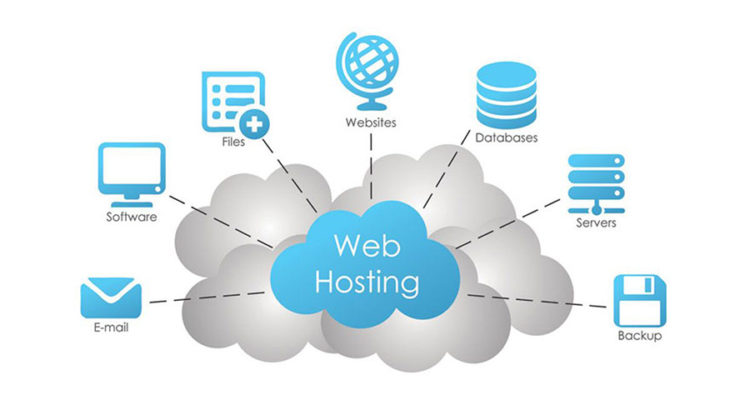
A web hosting service provider stores and manages website files on servers. They ensure your website is accessible online. They offer domain registration, email services, and technical support. Providers maintain server uptime and security, often offering various hosting plans for different needs.
What Is My Web Hosting Provider?
To find your web hosting provider, check your website’s domain records or your hosting service account. Tools like “Whois” can help identify the provider by displaying the domain’s registration details. Reviewing emails from your hosting company can also provide information about your web hosting provider.
What Is Web Hosting And An Example?
Web hosting stores website files on servers, allowing online access. An example is Bluehost, offering shared hosting and domain registration.
Is Godaddy A Web Hosting Provider?
Yes, GoDaddy is a web hosting provider. They offer various hosting solutions, including shared, VPS, and dedicated hosting. Their services are suitable for personal websites, businesses, and e-commerce platforms. GoDaddy also provides domain registration, website building tools, and email hosting to complement their hosting services.
Conclusion
Choosing the right web hosting service is crucial. It affects your site’s performance and reliability. A good provider ensures your site loads fast. And stays online. Consider your specific needs and budget. Shared hosting suits small sites. Larger businesses might need dedicated servers.
Research and compare different providers. Read reviews and check their support quality. This will help you make an informed decision. Remember, a reliable host contributes to your online success. It’s an investment in your digital presence. Make your choice wisely and enjoy a smooth web experience.
Your website deserves the best.


