
Have you ever wondered how your favorite websites are always available at the click of a button? Behind every smooth online experience, there’s a crucial player working tirelessly – a web hosting company.
But what exactly is a web hosting company, and why should you care? Whether you’re planning to launch your own website or simply want to understand more about the digital world, knowing how web hosting works can be a game changer.
By the end of this article, you’ll not only grasp the essentials of web hosting but also discover how choosing the right provider can make or break your online presence. Imagine having a website that loads instantly, never crashes, and provides a seamless experience for your visitors. That’s the power of effective web hosting. Ready to unlock the secrets behind a successful website? Let’s dive in.
Web Hosting Basics
Web hosting means storing websites on a special computer. This computer is called a server. It makes your website visible on the internet. When someone types your website address, the server shows it. Hosting lets people see your site from anywhere. It’s like a home for your website online.
Web hosting has an important job. It keeps your website safe and working. Hosting allows many users to visit your site at the same time. Hosting companies offer different plans. Some plans have more space and features. Choose a plan that fits your needs. Good hosting makes websites fast and secure.

Credit: www.hostinger.com
Types Of Web Hosting
Shared hosting is very simple. Many websites use the same server. This option is cheap and easy to use. Best for small websites and beginners. But, the speed can be slow. Many users affect the server’s speed. So, it is not for large websites. You may face downtime issues often.
A VPS is like a small private server. It is more powerful than shared hosting. You get more control and resources. It is good for growing websites. You will have better speed and performance. But, it costs more than shared hosting. It is a middle ground between shared and dedicated hosting.
A dedicated server is yours only. You have the whole server. It is very fast and reliable. Great for big websites with many visitors. It is also the most expensive option. You have full control and can customize it. But, you need technical skills to manage it.
Cloud hosting uses many servers. It is very flexible and scalable. You only pay for what you use. It is perfect for growing businesses. If one server fails, another takes over. This means less downtime. It is a modern and efficient option for hosting.
Key Features Of Web Hosting Services
Web hosting services offer bandwidth and storage. Bandwidth is the data your site uses. Storage is where your files stay. Both are important. Without enough bandwidth, sites load slowly. Without enough storage, you can’t add more files. Choosing wisely is important.
Security measures protect your site. SSL certificates keep data safe. Firewalls block harmful traffic. Malware scans find bad software. Backups save your data. A secure site builds trust. Always check security features.
Uptime means your site is online. Uptime guarantee shows reliability. 99% uptime means little downtime. Downtime can lose visitors. Reliable hosting keeps your site running. Always choose high uptime.
Good customer support helps you. 24/7 support is best. Live chat is fast. Email support can help, too. Friendly support solves problems. Choose hosts with good reviews. Support makes hosting easier.
How Web Hosting Companies Operate
Web hosting companies use servers to store websites. These servers need constant maintenance. They ensure websites are always accessible. Experts check servers for errors and fix issues quickly. This keeps sites running smoothly. Data is backed up to prevent data loss. Regular updates keep servers secure from threats.
Data centers are large buildings with many servers. They have cooling systems to keep servers from overheating. Power is always on, even during power outages. This makes sure websites stay live. Security is very tight to protect valuable information. Only authorized people can enter.
The technical infrastructure includes network equipment and software. It allows fast data transfer. Web hosting companies use firewalls to block attacks. They monitor network traffic for strange activity. Software updates keep everything current. This helps websites load quickly.
Choosing The Right Web Hosting Company
First, know what your website needs. Do you need a lot of space? Or is speed important? Understanding your needs helps in picking the right host. It saves money and time. Think about your site’s traffic. More visitors need better hosting. Always plan for growth. This way, you won’t need to change hosts soon.
Different hosts offer various features. Some give free domains. Others provide extra security. Look for 24/7 support. It’s crucial when problems arise. Check for easy-to-use control panels. They make managing your site simpler. Backups are essential. Ensure the host offers regular backups. This protects your data.
Prices can vary a lot. Some hosts offer cheap plans. Others might be expensive. Check for hidden fees. Sometimes, prices rise after the first year. Look for discounts. Many hosts offer deals for new customers. Always read the fine print. Understand what you’re paying for.

Credit: www.techradar.com
Benefits Of Professional Web Hosting
Professional web hosting boosts site speed. Fast loading attracts visitors. Slow sites lose users. Good hosting means quick access. Reliable servers ensure uptime. Your site stays live. Users enjoy better browsing.
Growing sites need more space. Professional hosting offers scalability. Add more resources easily. Handle more traffic smoothly. Upgrade plans as needed. Flexible options suit different needs. Your site grows without issues.
Problems happen. Technical support helps fix them. Experts offer solutions fast. Support is available 24/7. Peace of mind for website owners. Questions answered quickly. Professional help ensures site runs smoothly.
Common Challenges With Web Hosting
Websites can go offline. This is called downtime. Downtime makes users unhappy. They leave the site. Businesses lose money. Servers need to stay up. Many things cause downtime. Bad weather can damage servers. Software errors can crash sites. Hosting companies work hard to fix these problems.
Websites must be safe. Hackers look for security vulnerabilities. They steal data. This is very bad. Hosting companies use tools to protect sites. Firewalls keep hackers out. Strong passwords help too. Always update software. Updates fix security holes. Stay safe online.
Websites need resources. These are things like space and speed. Some sites need a lot. Others need less. Hosting plans limit resources. Heavy sites might run slow. This is not good. Choose the right plan. Make sure it fits your needs. Hosting companies offer different plans. Pick the best one for your site.
Future Trends In Web Hosting
Web hosting companies provide the technology and services needed for websites to be viewed on the internet. Future trends include faster speeds and enhanced security. New technologies will make hosting more efficient and affordable.
Green Hosting Initiatives
Web hosting uses a lot of energy. Green hosting aims to reduce this. Companies use renewable energy like wind or solar power. This helps the planet. Some companies also plant trees. This balances their carbon footprint. Many customers prefer eco-friendly options. Green hosting is good for business and the environment.
Advancements In Technology
Technology is always changing. Cloud hosting is faster now. It offers more space. Security is better too. New tech keeps data safe. Artificial Intelligence helps manage servers. It makes things run smoothly. Hosting will get smarter and quicker. This means better service for users.
Increased Personalization
Hosting is more personal. Custom plans fit different needs. Users can choose what they want. Support is also more personalized. Chat and help are faster. Companies know what users need. This makes hosting more friendly. Users feel special and cared for.
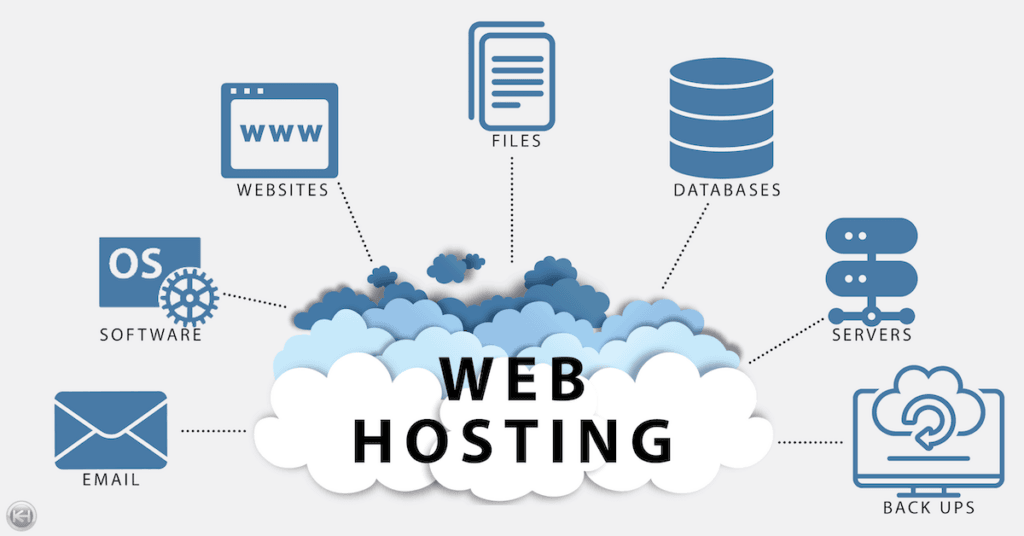
Credit: www.ramotion.com
Frequently Asked Questions
What Is An Example Of A Web Host?
An example of a web host is Bluehost. It offers reliable hosting services for websites. They provide various plans to suit different needs. Bluehost is popular for its excellent customer support and easy-to-use interface. It’s a great choice for bloggers and businesses alike.
What Are The 3 Types Of Web Hosting?
The three types of web hosting are shared hosting, VPS hosting, and dedicated hosting. Shared hosting is cost-effective but shares resources. VPS hosting offers more control and isolated resources. Dedicated hosting provides exclusive server use, ideal for large websites requiring high performance.
Each type suits different needs and budgets.
Is Godaddy A Web Hosting Company?
Yes, GoDaddy is a web hosting company. It offers various hosting services, including shared, VPS, and dedicated hosting. GoDaddy also provides domain registration, website building tools, and security features to help users create and manage their online presence efficiently.
How Much Do I Pay To Host A Website?
Website hosting costs vary based on provider, plan, and features. Basic hosting starts around $3-$10 monthly. Premium plans can exceed $100 monthly for enhanced performance and security. Choose a plan that fits your needs and budget for optimal results. Compare providers to find the best deal.
Conclusion
Web hosting companies are essential for website success. They provide the space for your site online. Choosing the right host ensures better performance. It affects speed, security, and reliability. Always research and compare options. Consider your website’s specific needs. Check for customer support and uptime guarantees.
A good web host enhances user experience. It also boosts site credibility. Remember, a reliable hosting company supports your online goals. With the right choice, you pave the way for online growth. So, invest wisely in your web hosting decision.


