
Have you ever wondered how websites are available online for you to explore anytime you want? The magic behind it is called web hosting.
Imagine your favorite website is a book, and web hosting is the shelf where it’s stored, ready for you to pick up and read whenever you like. Without web hosting, your favorite sites wouldn’t exist online for you to enjoy.
By understanding what web hosting is and how it works, you can unlock the secrets of the internet and even create your own website. This knowledge gives you the power to share your passion, business, or ideas with the world. You’ll discover how web hosting impacts your online experience and why choosing the right one is crucial for your website’s success. Dive in to uncover the essential role web hosting plays in the digital world and how it can open doors for your online presence.

Credit: www.godaddy.com
Web Hosting Basics
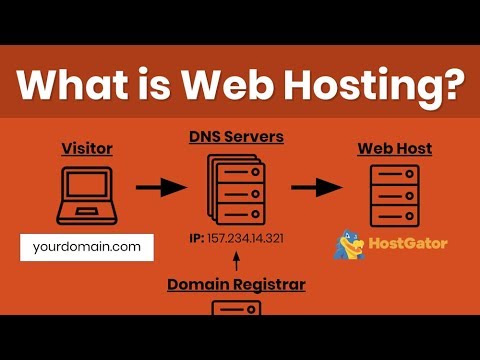
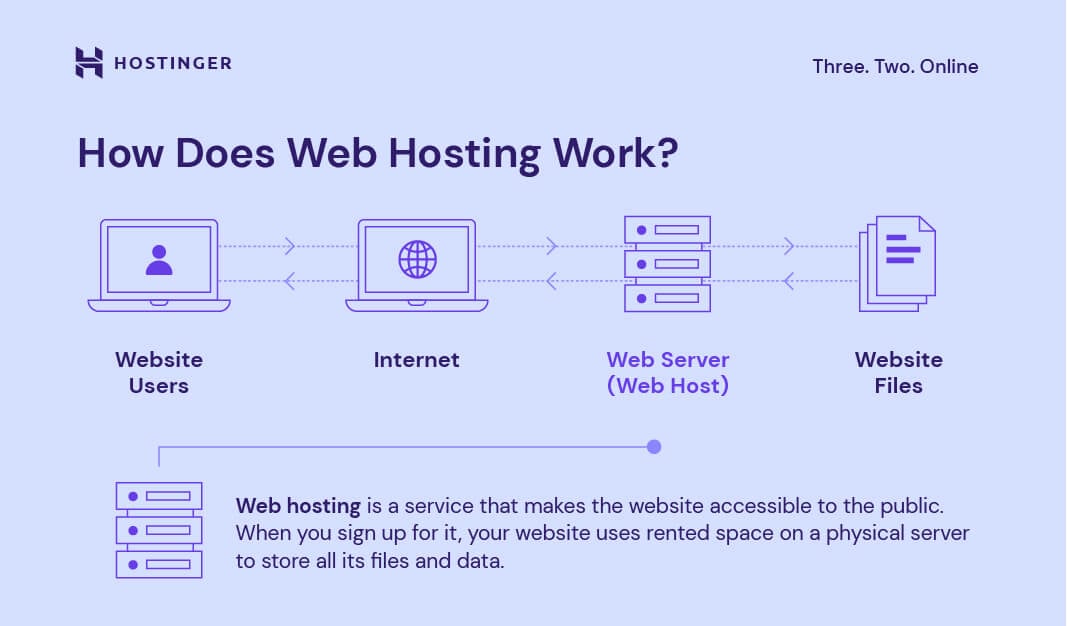
Every website needs a home on the internet. This is where web hosting comes in. It’s a service that lets you store your website’s files. A server is a big computer that runs 24/7. It keeps your website online all the time. There are different types of web hosting. Some are shared, some are dedicated, and others are cloud-based.
Shared hosting is like renting a room. You share resources with others. Dedicated hosting is like owning a whole house. It’s all yours, but costs more. Cloud hosting is flexible. It grows with your needs. Choosing the right hosting depends on your website’s size and traffic.
Credit: www.youtube.com
Types Of Web Hosting
Shared hosting is like living in a big house with many roommates. One server hosts many websites. It is cheap and easy to start. Performance can be slow if a site gets busy. It is a good choice for small websites and beginners.
VPS stands for Virtual Private Server. It is like having your own room in a big house. You get more control and better performance. Each site has its own space. It costs more than shared hosting. Good for growing websites.
Dedicated hosting means the server is all yours. It is like owning a house. You get full control and high performance. It is the most expensive option. Best for large websites with many visitors.
Cloud hosting uses many servers. It is like living in a hotel. If one server fails, others help. This gives great reliability. It is scalable. You pay for what you use. Good for websites with changing traffic.
Key Features Of Web Hosting
Web hosting gives space to store your website data. Storage is like a home for your files. More storage means more room for your photos and text. Bandwidth is like a road for data. It helps move information from your site to people. High bandwidth is important. It makes your site fast and smooth.
Uptime means your site is always online. A good host gives 99% uptime. Reliability is the trust that your site stays up. Reliable hosting keeps your site working well. No one likes a site that is always down. Choose a host that ensures uptime.
Security protects your site from bad guys. SSL certificates keep data safe. Look for firewalls to block threats. Regular backups are good. They save your data if something breaks. Security is like a shield for your website.
Help is there when you need it. Customer support answers your questions. They fix problems fast. Good support is like having a friend ready to help. They can chat, call, or email. Choose hosting with great support.
Credit: www.hostinger.com
Choosing The Right Web Hosting Provider
Decide what your website needs. Storage and bandwidth are crucial. Do you need email hosting? Consider security features. Think about customer support. A good host offers 24/7 help.
Prices vary widely. Shared hosting is usually cheaper. Dedicated hosting costs more. Check for hidden fees. Look for discounts on long-term plans. Quality is often worth the price.
Performance is key. Check uptime guarantees. Speed affects user experience. Server location can impact speed. Look for reliable hosts. Good hosts have fast servers. Read reviews to learn more.
Common Web Hosting Challenges
Websites can go offline sometimes. This is called downtime. Downtime can happen for many reasons. Servers might need updates. Sometimes, there’s too much traffic. This can make websites slow. If a website is down, users can’t visit it. This can be bad for businesses. They might lose money. Keeping a website online is important.
Security is very important for websites. Hackers can attack websites. They might steal data. Protecting a website is like locking a door. Websites need strong passwords. They also need regular updates. These updates fix security holes. Without security, websites are at risk. This can be dangerous for users too.
Scalability means growing bigger. Websites might need to handle more users. This can be hard. They might slow down. Some websites can’t grow easily. They need better servers. Growing websites need planning. This helps them stay fast. A good host can help with this. They make sure websites can grow.
Future Trends In Web Hosting
Green hosting uses less energy. It helps our planet. Many companies use solar or wind power. This saves energy and money. People care about the earth. Green hosting is popular. Choose green for a better future.
AI helps web hosting. It makes things fast and easy. Computers can fix problems quickly. Automation saves time. With AI, websites run smoothly. Less human help is needed. AI is smart and learns fast. It makes hosting better.
Security is important for websites. Hackers can be stopped with strong tools. New updates keep data safe. Companies use firewalls and antivirus. Passwords are strong and secret. Security measures protect users. Safety is key for trust.
Frequently Asked Questions
What Is Meant By Web Hosting?
Web hosting provides storage space on a server for your website. It allows online accessibility and functionality. Hosting services include server management, support, and uptime assurance. Different types include shared, VPS, and dedicated hosting. Choose based on your website’s requirements and traffic.
What Are The 3 Types Of Web Hosting?
The three types of web hosting are shared hosting, VPS hosting, and dedicated hosting. Shared hosting is cost-effective for beginners. VPS hosting offers more control with dedicated resources. Dedicated hosting provides maximum performance and security for large websites. Choose based on your website’s needs and budget.
Is Godaddy A Web Hosting?
Yes, GoDaddy offers web hosting services. It provides various hosting plans, including shared, VPS, and dedicated hosting. With GoDaddy, users can host websites, manage domains, and utilize additional features like email and security options. Its services are user-friendly, making it suitable for beginners and experienced web developers.
Can I Run My Website Without Hosting?
A website requires hosting to be accessible online. Hosting stores your site’s data on servers, making it visible to users. Without hosting, your website cannot be accessed via the internet. Choose a reliable hosting provider to ensure your site is always available and runs smoothly.
Conclusion
Web hosting is key for websites to be online. It stores your site’s data on servers. Choose a reliable provider for better performance. Consider factors like speed, security, and customer support. A good web host ensures your site runs smoothly.
It’s important for businesses and personal websites alike. With the right hosting, your site can reach more people. Make informed choices to enhance your online presence. Investing in quality web hosting pays off. Your website’s success depends on it.


