
Are you diving into the world of web hosting and stumbled upon the term “subdomain”? You’re not alone.
Many people find themselves puzzled by this concept, yet understanding it can unlock a whole new level of control over your website. Imagine being able to organize your site better or even expand your online presence without purchasing a new domain.
Sounds exciting, right? We’ll break down what a subdomain is and how it can benefit you, making the complex world of web hosting a little simpler and a lot more powerful. Stick around to learn how a simple tweak can make a massive difference in your online journey.
Credit: docs.plesk.com
Understanding Subdomains
A subdomain is part of a larger domain. Think of it like a house with rooms. Each room is unique but part of the same house. A subdomain helps organize content. It’s easy to create and use. Businesses often use subdomains for blogs or stores. This makes navigation simple for users. A subdomain keeps things neat and tidy. It’s a smart way to manage multiple sites under one domain. Web hosts offer tools to create subdomains. They are simple to set up and manage. Subdomains are useful for different languages too. They help reach different audiences. They can boost SEO with targeted keywords. Subdomains provide flexibility and organization. They are key for website growth.
Purpose Of Subdomains
Subdomains help organize your website. They make it easier to manage content. Imagine you have a big website. It has many sections. Each section can have its own subdomain. This keeps things tidy. Subdomains also help in SEO. They can target specific keywords. This way, your site can rank better. Many businesses use subdomains for different purposes. For example, blogs or stores. Each gets its own subdomain. This helps users find what they need quickly. Subdomains also allow for separate designs. Each can look and feel different. This makes your site more flexible and user-friendly.
Benefits Of Using Subdomains
Subdomains help to keep websites neat. Each subdomain can hold different content. This makes it easy to find information. Users like websites that are easy to navigate. Businesses use subdomains for blogs, shops, or forums. This helps them stay organized.
Subdomains can boost website visibility. They target keywords better. Search engines like organized sites. This means more visitors can find your site. Each subdomain can rank in search results. This leads to better traffic. More traffic means more success.
Subdomains save money. No need for new domain names. Hosting companies often allow free subdomains. This cuts costs for businesses. It’s a smart way to manage your web presence. Small businesses benefit the most. Saving money helps them grow.
Creating A Subdomain
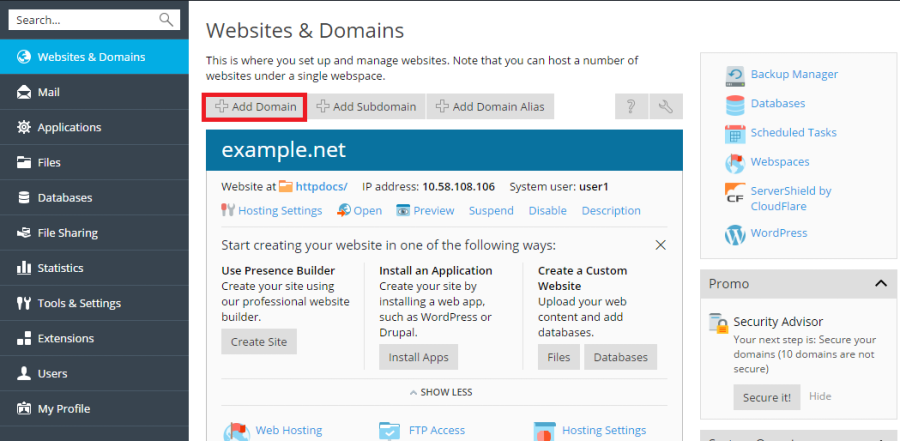
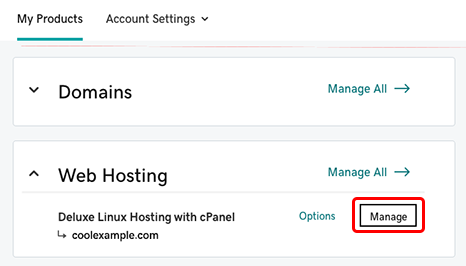
A subdomain is a part of your main domain. It helps in organizing different sections of your website. To create one, log in to your hosting control panel. Look for the subdomain section. Click on it and type your desired subdomain name. Choose the main domain for this subdomain. Finally, click on the create button. Your subdomain is now ready.
DNS settings help in directing traffic to your subdomain. Go to your DNS management section. Find the option to add a new record. Choose an A record or CNAME record. Enter your subdomain name. Set the destination IP address or domain. Save your changes. This setup will make your subdomain accessible.
Common Uses Of Subdomains
Websites often have a blog or news section. These sections bring updates and stories. A subdomain keeps these areas separate. This helps with organization. It makes the site neat and tidy. Search engines like clean sites. This can help with SEO.
Many sites sell things online. They use a subdomain for their store. This makes shopping easy. It keeps the store apart from other parts. Customers find products fast. This is good for business. It helps the site run smoothly.
Sites often have content for different places. A subdomain shows this localized content. It helps users find info for their area. This is very useful. People like getting info that fits them. It makes the site friendly and helpful.

Credit: www.greengeeks.com
Challenges With Subdomains
Subdomains can create SEO challenges. Search engines treat subdomains as separate sites. This means each subdomain must build its own authority. Traffic and links do not automatically help the main domain. This can split your SEO efforts. It may be harder to rank well. Search engines might not link subdomains with the main site. This can confuse algorithms.
Managing content on subdomains can be tricky. Each subdomain may need its own content system. This can make updates slow. Consistency across subdomains is important. It can be hard to keep all pages the same. Tools might not work on every subdomain. This can lead to extra work. Using one system for all helps.
Subdomains Vs. Subdirectories
A subdomain is like a branch of a website. It has its own URL. For example, ‘blog.website.com’. A subdirectory is a folder inside a main site. It looks like ‘website.com/blog’. Subdomains are seen as separate sites. Subdirectories are part of the main site. Choosing between them depends on the site’s needs.
Subdomains can rank separately in search engines. They can target different keywords. Subdirectories may share SEO strength with the main site. Some experts say subdomains can dilute SEO efforts. Others believe they can boost specific keywords. Both have pros and cons. It’s important to plan carefully.
Credit: www.godaddy.com
Case Studies Of Effective Subdomain Use
Subdomains help organize content. They create separate areas on a website. Google uses subdomains for different services. Mail.google.com is for email. Maps.google.com is for maps. This makes each service easy to find.
Amazon uses subdomains for shopping regions. Uk.amazon.com is for the UK. India.amazon.com is for India. Each region has its own site. This helps with local shopping needs.
Universities use subdomains for departments. Physics.university.edu is for physics. Math.university.edu is for math. Each department has its space online. It organizes information well.
WordPress.com offers free subdomains. Bloggers use them for personal sites. Username.wordpress.com is common. It gives each user their space. This makes it easy to start a blog.
Frequently Asked Questions
What Is A Subdomain With An Example?
A subdomain is an additional part of a primary domain, often used to organize or separate content. For example, in “blog. example. com,” “blog” is the subdomain of the primary domain “example. com. ” Subdomains help in managing different sections of a website efficiently.
What Is The Purpose Of A Subdomain?
A subdomain organizes and separates website content. It enhances user navigation and improves SEO by targeting specific keywords. Businesses use subdomains for blogs, forums, or regional sites, boosting site structure and user experience. They also help in testing new features or hosting different applications.
What Is The Difference Between A Url And A Subdomain?
A URL is the web address used to access a webpage. A subdomain is part of a larger domain, acting as a separate section or site within it. Subdomains often precede the main domain name, helping organize content or services.
Both aid navigation but serve different structural purposes.
What Are The Disadvantages Of Subdomains?
Subdomains can dilute domain authority, affecting SEO rankings. They may confuse visitors and complicate site management. Separate analytics may hinder unified tracking. Search engines treat them as distinct sites, reducing backlink benefits. Maintaining multiple subdomains can increase hosting costs and complexity.
Conclusion
Subdomains offer a flexible web hosting solution. They help organize and manage content. You can create separate sites for different purposes. This keeps the main domain clean and efficient. Subdomains are easy to set up and manage. They provide a clear structure for your website.
This enhances user experience and navigation. Businesses and individuals can benefit from using subdomains. They improve site functionality without extra cost. Understanding subdomains can simplify your web hosting journey. They are a practical tool for website management. Embrace subdomains to streamline your online presence.


