
Are you curious about how websites appear on the internet? Or perhaps you’ve wondered what makes your favorite online stores, blogs, and news sites accessible anytime, anywhere?
The answer lies in web hosting. By understanding web hosting, you unlock the secret behind the seamless operation of websites. Picture this: your website is like a book, and web hosting is the library that makes it available for everyone to read.
We’re diving into the world of web hosting, unraveling its mysteries with simple examples that will make you feel like a pro in no time. Whether you’re launching your first site or simply eager to learn, this guide will provide clarity and confidence. So, are you ready to explore the backbone of the internet and see how web hosting can power your online dreams? Let’s get started!
Web Hosting Basics
Web hosting is like storing a book in a library. It keeps your website safe and ready for visitors. Every website needs hosting to work online. It helps your site stay open all day and night. Hosting lets people find your site on the internet. Without hosting, your website cannot be seen by anyone.
Web hosting uses computers called servers. These servers hold your website files. When someone types your site address, the server sends files to their computer. Servers keep your site running smoothly. Hosting companies have many servers. They make sure your site is always available. Good hosting makes your website load fast. Slow hosting can make visitors leave.
Types Of Web Hosting
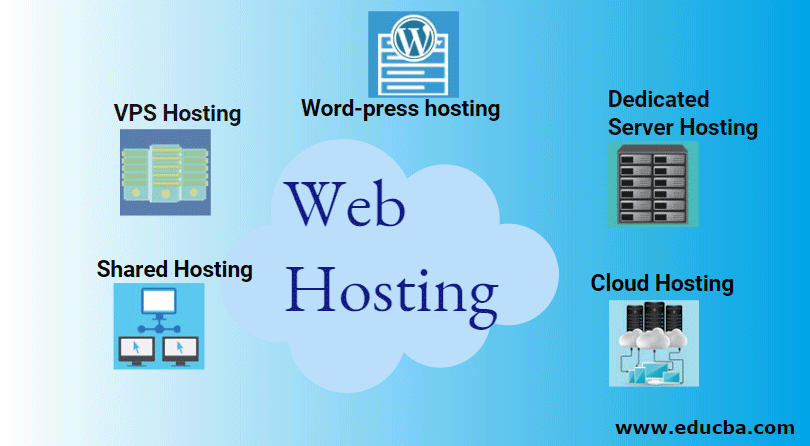
In shared hosting, many websites live on one server. This makes it a cheap option. But, sites may load slowly if others use too many resources. It is good for small websites. Many beginners start with shared hosting. It is like living in a crowded apartment. You share resources with others.
Dedicated hosting gives a whole server to one website. This is fast and secure. It costs more than shared hosting. It suits big websites with many visitors. Businesses often use dedicated servers. It is like owning a house. You have all resources to yourself.
Virtual Private Server (VPS) hosting is a middle ground. It splits a server into virtual spaces. Each site has its own resources. It is better than shared hosting. But, it costs less than dedicated hosting. It is like living in a townhouse. You have your own space.
Cloud hosting uses many servers. If one server fails, others help. This makes it very reliable. It is scalable too. Add more resources when needed. It fits growing websites well. Cloud hosting is like living in a smart city. You get help when needed.
Choosing A Web Hosting Provider
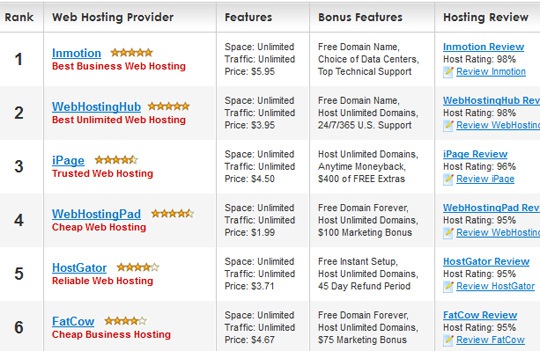
Choosing the right web hosting provider is important. Reliability is key; your site needs to be up all the time. Speed matters too; users dislike slow websites. Customer support can be a lifesaver when things go wrong. Security features protect your site from threats. Storage space is necessary for all your files. Bandwidth affects how many visitors your site can handle. Price must fit your budget, but don’t sacrifice quality for cost. Reviews from other users can help you make a decision. Consider these factors carefully.
| Provider | Features |
|---|---|
| Bluehost | Reliable, good for beginners |
| HostGator | Affordable, great support |
| SiteGround | Fast, secure |
| DreamHost | Unlimited storage, easy setup |

Credit: www.hostinger.com
Setting Up Your Website
Domain registration is the first step. You need a unique name. This is your website’s address. People type this to find you online. Choose a name that is easy to remember. Shorter names are often better. Make sure it’s easy to spell. This helps people find you easily.
After choosing, you must register the name. Use a domain registrar for this. Many companies offer this service. Some popular ones are GoDaddy and Namecheap. They help you secure your domain name. Once registered, it is yours. No one else can use it. Remember, a domain is like a home address. It tells people where to go.
Uploading files comes next. You need a place to store your website files. This is called web hosting. Choose a reliable hosting provider. They keep your website online. Hosting is like renting space. Your files live there. People access these files through the internet.
Web Hosting Features
Bandwidth means how much data can move at one time. More bandwidth allows more people to visit your site. Storage is where your website’s files are kept. Large storage means you can keep more files. Photos and videos need more space. Make sure you have enough for your needs.
Security keeps your site safe from bad people. Firewalls protect against attacks. SSL certificates make data safe. Regular backups are important. They help if something goes wrong. Look for hosts with good security tools.
Technical support helps when things go wrong. 24/7 support means help any time. Live chat is quick. Email support for detailed help. Support should be friendly and fast. Your site will run better with good support.
Credit: www.educba.com
Example Of Web Hosting Process
First, you need to choose a web hosting provider. This is a company that offers space on a server. Next, select a hosting plan that fits your needs. Plans can vary in size and cost. Then, register your domain name. This is your website’s address on the internet. After that, you can upload your website files. Use tools like FTP or a web-based file manager. Finally, set up your website settings. Configure your email accounts and databases. Your website is now live and accessible to everyone!
Sometimes, websites load slowly. This can happen if there is too much traffic. Another issue is downtime. It means your site is not available. Security breaches are also a concern. Hackers might try to get in. Keeping software updated helps. Regular backups prevent data loss. Always monitor your site’s performance. It keeps your site running smoothly.
Benefits Of Web Hosting
Improved Website Performance is a key benefit of web hosting. Fast websites make visitors happy. A hosting server can make your site load quickly. This helps users stay longer and explore more.
Enhanced Security keeps your site safe from bad people. Hosting services offer protection like firewalls. They also keep your data secure. This is important for online safety.
Scalability Options let your site grow with your needs. As more people visit, you can add more resources. Hosting makes it easy to expand. This helps your site handle more traffic.
Future Of Web Hosting
Web hosting is like renting space on the internet for your website. Imagine storing your files on a computer that is always connected to the web. This allows anyone to visit your site anytime. The future of web hosting promises faster speeds and more secure connections for all users.
Emerging Technologies
Web hosting is changing fast. Cloud hosting is becoming popular. It is more reliable than traditional hosting. With cloud hosting, websites stay online even during high traffic. Artificial Intelligence (AI) is another trend. AI helps in improving website performance. It can fix problems quickly. Green hosting is also gaining attention. It uses less energy and helps the planet. This is important for everyone.
Trends To Watch
New trends are shaping web hosting. Edge computing is one to watch. It brings data closer to users. This makes websites load faster. 5G technology will also impact hosting. Websites will be faster and more connected. Security is always a big concern. New tools are making websites safer. Blockchain is another trend. It offers secure and transparent transactions. These trends show a bright future for web hosting.
Credit: www.searchenginejournal.com
Frequently Asked Questions
What Is An Example Of Hosting A Website?
Hosting a website involves storing files on a server, like using Bluehost to manage your WordPress site. This allows users to access your website online. Choose a reliable hosting provider for optimal speed and security.
What Are The Three Types Of Web Hosting?
The three types of web hosting are shared hosting, VPS hosting, and dedicated hosting. Shared hosting is cost-effective, suitable for beginners. VPS hosting offers more control and resources. Dedicated hosting provides exclusive server access, ideal for high-traffic websites. Each type caters to different needs and budgets.
What Is Meant By Web Hosting?
Web hosting is a service that allows individuals and businesses to make their websites accessible online. Hosting providers store website files on servers, ensuring site availability. This service is essential for website functionality and internet visibility. Choosing reliable web hosting enhances site speed, security, and user experience.
Can I Run My Website Without Hosting?
No, you can’t run a website without hosting. Hosting stores your website’s files online, making them accessible. Choose a reliable hosting provider for optimal performance and security. Hosting ensures your website is always available to visitors. Consider options like shared, VPS, or dedicated hosting based on your needs and budget.
Conclusion
Web hosting is vital for any website. It stores your site’s data. Think of it as renting space online. Your website needs this space to exist. Many types exist, like shared and dedicated hosting. Choose what fits your needs best.
Consider factors like cost, support, and features. The right choice helps your website run smoothly. It also impacts your site’s speed and reliability. A good host ensures your site is always online. This is crucial for attracting and keeping visitors.
Make an informed decision for a successful online presence.


