
Have you ever wondered what makes your favorite websites run smoothly or why some pages take forever to load? The secret often lies in something called data transfer in web hosting.
This might sound technical, but don’t worry—it’s simpler than you think. Understanding data transfer can help you make better decisions when choosing your web hosting provider. Plus, it can save you time, money, and a lot of frustration. You’ll discover what data transfer really means, why it’s crucial for your website, and how it affects your online experience.
So, if you’re ready to unlock the mystery behind the performance of your website, keep reading to find out more!
Basics Of Data Transfer
Data transfer means moving data from one place to another. This happens between your computer and a server. It is very important for websites. Websites need data transfer to show content to visitors. If data transfer is slow, websites load slowly. This can make people leave the site. A fast data transfer gives a better user experience. It keeps visitors happy and coming back.
Data transfer uses bandwidth to send data. Bandwidth is like a road. The wider the road, the more cars can pass. Similarly, more bandwidth means more data can move at once. Web hosting services provide bandwidth for websites. They help data move smoothly between servers and users. If a website gets lots of visitors, it needs more bandwidth. This ensures the site runs well even with many users.

Credit: nitropack.io
Types Of Data Transfer
Data transfer involves moving information between computers. Uploading sends data from your device to a server. Downloading brings data from a server to your device. Uploading is useful for sharing files or posting online. Downloading lets you get files, like music or videos. Both actions affect your internet speed. Faster connections upload and download quickly. Slow connections might take longer.
Streaming sends data continuously in small pieces. It helps watch videos or listen to music online. Data flows while you watch or listen. Streaming doesn’t need to download the whole file first. This saves time and space. You need a good internet connection for smooth streaming. Poor connections cause buffering. Buffering makes videos pause and load often. Buffering can be frustrating. Streaming is popular for entertainment.
Data Transfer Limits
Understanding Bandwidth is key to web hosting. It is the amount of data your website can send and receive. Think of it like a highway. More bandwidth means more cars can travel on it. If your website has high traffic, you need more bandwidth. Limited bandwidth can slow down your site. A slow website can make visitors leave. Choose a plan with enough bandwidth to handle your needs.
Monthly Data Caps are limits set by web hosts. They control how much data you can use in a month. If you hit the cap, your site might slow down. Or it could stop working until next month. Check your host’s data cap before signing up. It should match your website’s needs. Always plan for future growth. More visitors mean more data use.
Factors Affecting Data Transfer
Server location affects how fast data moves. Closer servers mean faster data travel. Faraway servers can slow data. Users wait longer. Geography plays a big role here. Choose servers near your audience.
Strong networks help data move quickly. Poor networks make data slow. Fiber optic cables are fast. Old cables are slow. Quality equipment matters. Good routers and switches improve speed. Up-to-date technology is crucial for fast data.
Monitoring Data Transfer
Analytics tools help watch data transfer. These tools show how much data moves. Data moves from the server to the user. Tools also show data coming in. Tracking data is important. It helps know how the website works.
Traffic analysis shows website visitors. It tells how many people visit. It also shows which pages they like. Knowing traffic helps plan better. It helps make the website work well. Good traffic means more people see the website.
Optimizing Data Transfer
Compression makes files smaller. Smaller files travel faster on the internet. Gzip is a popular method. It compresses text files like HTML and CSS. Images can also be compressed. Use formats like JPEG or PNG. These formats keep quality good but make files smaller. Faster loading helps websites. More visitors stay on your site longer.
Good coding saves data. Minify your code. It removes spaces and comments. Smaller code loads quicker. Use CSS instead of images for design. CSS uses less data. Write clean code. Clean code is easy to read and uses less data. Organize your files well. It helps browsers find them faster.
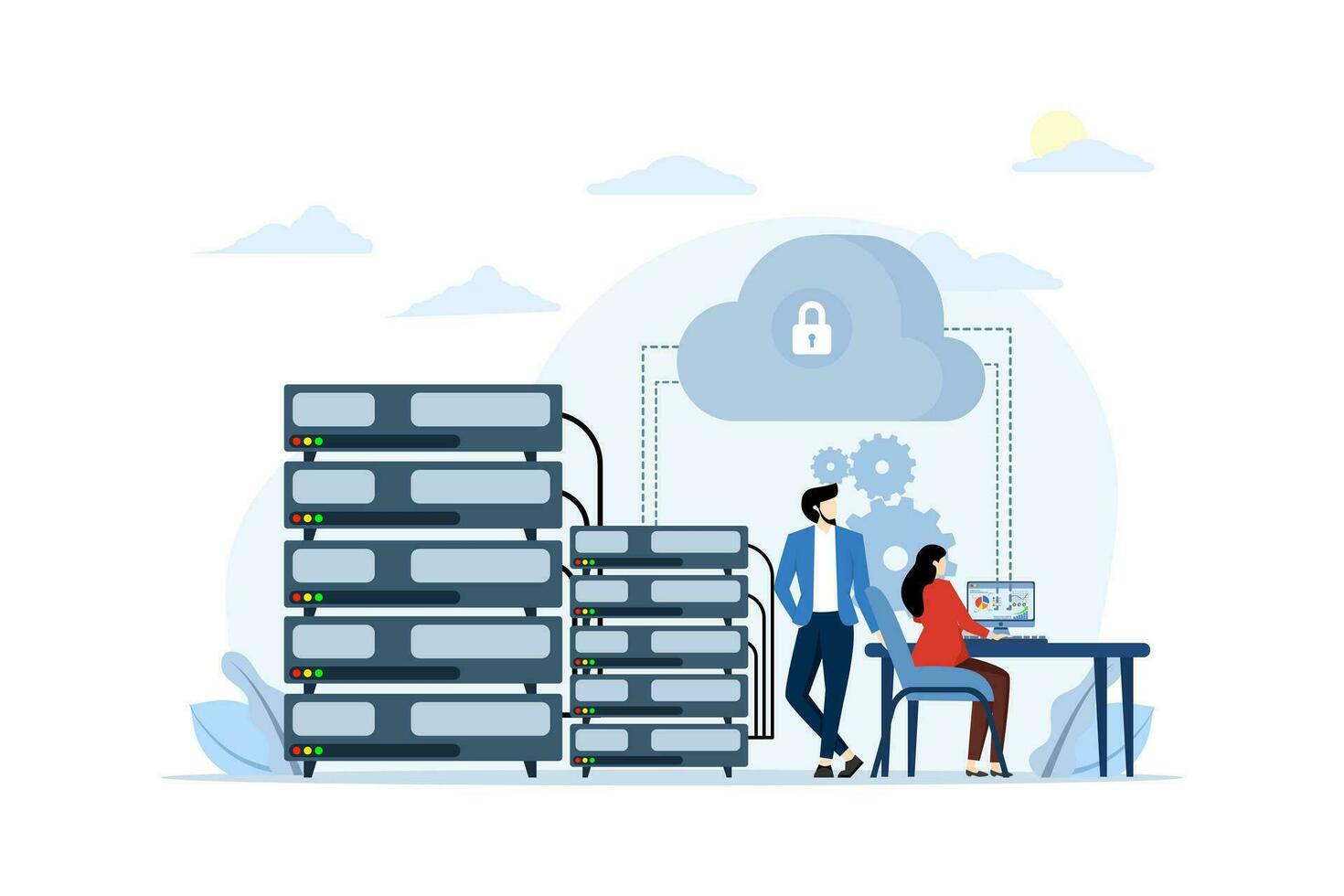
Security In Data Transfer
Encryption keeps data safe. It turns data into a secret code. Only the right key can read it. This helps keep data private. Hackers can’t read the data. Strong encryption is important. It stops data from being stolen. There are many methods. Each has a special way to protect data. AES is a common method. It is fast and safe. RSA is another method. It uses two keys, making it very secure.
Protocols guard data as it moves. They are like rules for computers. HTTPS is a popular protocol. It keeps websites safe. SSL/TLS is also used. It secures data between servers. These protocols stop data from being read. They are very important for online safety. Firewalls add extra protection. They block bad traffic. Keeping data safe is a big job. These tools help do it well.
Credit: www.vecteezy.com
Future Of Data Transfer
New technologies are changing data transfer. 5G networks are one such technology. They help data move faster than before. Fiber optic cables are another. They use light to send data at high speed. Cloud computing is growing too. It stores data online, making access easy.
Artificial Intelligence is also playing a part. It makes data transfer smart and efficient. AI helps predict and manage data flow. This keeps systems running smoothly. Blockchain adds security to data transfer. It makes data safe from changes and hacks.
Many trends are seen in web hosting. Green hosting is becoming popular. It uses less energy and is better for the planet. Scalable hosting is important too. It allows websites to grow without issues. Managed hosting is on the rise. It gives users less to worry about. Experts handle the technical parts.
Virtual servers are used more often. They offer flexibility and cost savings. Security enhancements are also trending. They protect data and keep it private. Hosting is evolving with these trends.

Credit: diggitymarketing.com
Frequently Asked Questions
What Is Data Transfer In Hosting?
Data transfer in hosting refers to the amount of data exchanged between a website and its users. It includes downloads, uploads, and site visits. Hosting plans often limit data transfer, impacting website performance and costs. Monitor usage to avoid exceeding limits and incurring extra charges.
What Is Web Data Transfer?
Web data transfer refers to the movement of data between servers and clients via the internet. It involves downloading or uploading files, images, and other content. Efficient data transfer ensures smooth website performance and user experience. Fast and secure data transfer is crucial for maintaining website functionality and reliability.
What Do You Mean By Data Transfer?
Data transfer means moving digital information between devices or networks. It’s crucial for internet usage and sharing files. Efficient data transfer ensures quick access to information, enhancing user experience. Common methods include wired connections, Wi-Fi, and mobile data services. It supports communication, streaming, and cloud computing.
What Are Examples Of Data Transfers?
Data transfers include sharing files over email, uploading to cloud services, and transferring via USB drives. They also involve syncing data between devices, streaming media, and using APIs for data exchange. These activities ensure seamless digital communication and information accessibility across platforms and devices.
Conclusion
Data transfer is key in web hosting. It impacts website speed and accessibility. Choosing the right hosting plan is crucial. Consider your website’s needs carefully. Monitor your data usage regularly. This helps avoid unexpected charges. Keep your website optimized. Faster websites use less data.
Use tools to track performance. This ensures smooth operation. Understanding data transfer benefits your online presence. It can improve user experience. Choose wisely and manage effectively. Your website will thrive.


