
Are you planning to launch your website but feeling overwhelmed by the different web hosting options available? Choosing the right web hosting is crucial, and it can make or break your online presence.
Whether you’re starting a blog, setting up an online store, or building a portfolio, the type of web hosting you select will impact your site’s speed, reliability, and even its security. We will break down the different types of web hosting in simple terms.
You’ll discover which option suits your needs best, allowing you to make an informed decision without any technical jargon. Imagine having a website that loads fast, stays online, and keeps your visitors engaged – all thanks to the right hosting choice. So, let’s dive in and explore what each type of web hosting offers, because the perfect fit for your website is waiting just around the corner.
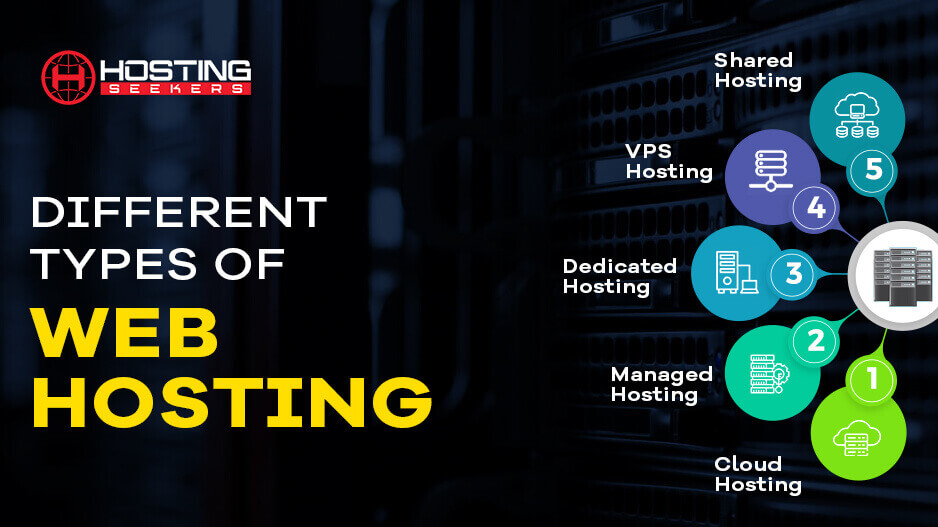
Credit: www.hostingseekers.com
Shared Hosting
Shared hosting is easy to use. It is also cost-effective. This makes it popular for beginners. Many websites share one server. This can save money. But, there are drawbacks. Slow speeds can happen if many users are online. It offers basic security features. Yet, it may not suit sites with high traffic. The control is also limited. This means less customization.
Shared hosting is good for small sites. Blogs and personal pages fit well. It serves small businesses too. Yet, it’s not for high-traffic sites. New users find it easy to start. It is best when budget is tight. Beginners can learn web basics here.

Credit: www.siteground.com
Virtual Private Server (vps) Hosting
VPS hosting is like having your own small server. It gives you more control than shared hosting. You can change settings and install software. This makes your site faster and more secure. You get your own resources. Other sites do not affect your site. You get more privacy. Your data is safer.
Choose VPS when your site grows bigger. Shared hosting might slow down your site. VPS is good for medium-sized sites. It works well for online stores. It handles more visitors easily. If you want more control, choose VPS. You can manage your site better. VPS is also good for tech-savvy people. You can set up your site as you like.
Dedicated Server Hosting
Dedicated servers provide full control. Users get their own server. No sharing with others. It offers high performance. Perfect for heavy applications. Security is strong. Data stays safe. Users can pick their own software. Full customization is possible. It gives better reliability and speed. Users enjoy fast loading times. Dedicated servers are powerful.
Large businesses need dedicated servers. They handle high traffic easily. Great for online stores. Websites with heavy data also benefit. Perfect for companies with sensitive data. It’s useful for those needing high security. Programmers love the control. Offers flexibility to tech-savvy users. Ideal for big projects. It suits websites needing lots of resources.
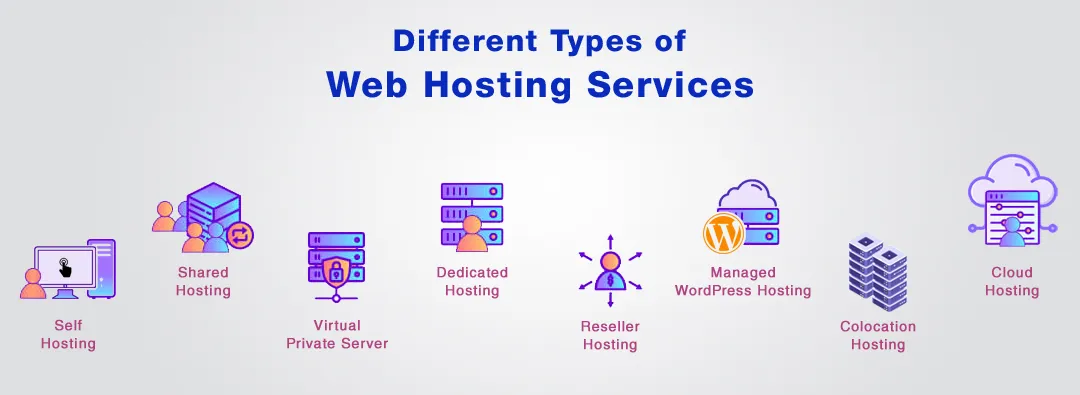
Credit: community.aws
Cloud Hosting
Exploring web hosting options, cloud hosting stands out for its flexibility. Resources are pooled from multiple servers, ensuring reliability. Unlike traditional hosting, it adapts to traffic spikes, providing scalability without interruption. Ideal for sites needing consistent performance.
Scalability
Cloud hosting is known for its scalability. You can add or remove resources easily. This means your website can handle more visitors. No need to worry about sudden spikes. The system adjusts automatically. This is helpful for growing businesses. It ensures smooth operation without interruptions.
Benefits Of Cloud Hosting
There are many benefits of cloud hosting. First, you pay for what you use. This can save money. Second, it offers high uptime. Your site stays online most of the time. Third, cloud hosting is secure. It protects your data with strong measures. Finally, it offers great flexibility. You can access your files from anywhere. All you need is an internet connection.
Managed Hosting
Managed hosting is a type where the hosting company takes care of everything. They handle server setup, maintenance, and security. Users don’t need to worry about technical parts. Experts manage software updates and monitor server health. This service gives peace of mind. Clients focus on their business instead of server issues.
People who lack technical skills benefit from managed hosting. It suits those who prefer ease over complexity. Beginners find managed hosting easy to use. Businesses with limited IT staff also prefer this option. They enjoy expert support without extra effort. Managed hosting offers simple solutions for non-tech users.
Colocation Hosting
Colocation hosting lets you rent space in a data center. Your server stays there. The data center provides power, cooling, and security. You control the server software and hardware. It’s like renting a parking spot. The spot is secure and maintained. You visit to make changes or upgrades. The data center staff can help with issues. They monitor and keep systems running smoothly. Colocation is popular for businesses needing control.
- Security: Data centers have strong security measures. Your server is safe.
- Reliability: Power and cooling are always available. Servers stay online.
- Control: You choose and manage your hardware. Customize it your way.
- Support: Experts can assist with technical problems. They ensure everything works.
- Cost: Sharing space reduces costs. It’s cheaper than building your own center.
Reseller Hosting
Reseller hosting opens doors for businesses. You can sell hosting to others. This is a great opportunity for earning extra money. It allows you to have your own hosting brand. You manage clients and their needs.
Reseller hosting offers useful features. You get a control panel to manage accounts. Bandwidth and disk space are flexible. You can offer your own hosting plans. Customers appreciate 24/7 support. It comes with customizable packages.
WordPress Hosting
WordPress hosting is made for WordPress sites. It has special tools to make your site work better. These tools help your site load fast. It also keeps your site safe from bad people.
Many hosts give automatic updates. This means your site always has the latest features. You don’t have to do it yourself. Less work for you!
Many bloggers use WordPress. It is easy for them. WordPress hosting is good for them too. It helps their blogs run smooth. Readers like it when pages load fast. They stay longer on the blog.
Some hosts also give free themes. These themes make blogs look nice. Bloggers can choose a look they like.
E-commerce Hosting
Security is very important for e-commerce websites. They handle sensitive data. This includes credit card numbers and personal details. Many hosting services provide SSL certificates. SSL encrypts data. Hackers can’t steal information easily. Another feature is firewalls. Firewalls block harmful traffic. They protect your website from attacks. Regular software updates are necessary. Updated systems are less prone to breaches. Most hosts offer 24/7 monitoring. Experts watch for suspicious activity. They respond quickly to any threats.
Hosting services must support online stores well. They should offer fast loading times. Slow sites lose customers. Many services have easy-to-use tools. These tools help set up products and manage sales. Some hosts offer built-in payment gateways. This makes transactions smooth and secure. Good hosting includes inventory management. You can track stock easily. Customer support is crucial. Help is available if problems arise. Hosting should also allow customizable designs. Your store should look unique.
Factors To Consider
Performance is a key factor in web hosting. Websites need to load fast. Slow sites lose visitors. Fast websites keep users happy. Choose a host with strong servers. Look for high uptime. Uptime means your site is always online. Check for bandwidth limits. More bandwidth means more visitors can visit. Ensure the host has SSD storage. SSDs load data faster than older drives.
Cost is important when picking a web host. Some hosts are cheap. Others cost more. Expensive hosts may offer more features. Set a budget first. Compare plans and prices. Look for hidden fees. Some hosts charge for extra services. Choose a host that fits your budget. Remember, cheap isn’t always best. Balance cost with quality.
Support helps when things go wrong. Choose a host with good support. Some hosts offer 24/7 support. You can call or chat anytime. Check if support is free. Some charge extra. Read reviews about support quality. Good support solves problems fast. Look for a knowledge base. It helps fix issues yourself. Support is crucial for beginners.
Frequently Asked Questions
What Are The 3 Types Of Web Hosting?
The three types of web hosting are shared hosting, virtual private server (VPS) hosting, and dedicated server hosting. Shared hosting is cost-effective and suitable for beginners. VPS hosting offers more control and resources. Dedicated server hosting provides maximum control and performance for large websites.
What Is The Best Type Of Web Hosting?
The best web hosting type depends on your needs. Shared hosting suits small sites, VPS offers control, dedicated hosting ensures maximum resources, and cloud hosting provides scalability. Assess your website’s requirements for performance, budget, and scalability to choose the ideal hosting solution.
Which Hosting Option Should You Use?
Choose a hosting option based on your website’s needs. Shared hosting is affordable for small sites. Consider VPS for better performance. Dedicated hosting suits large websites needing full control. Cloud hosting offers scalability. Match your choice with your budget, traffic, and technical expertise.
What Is The Difference Between A Web Server And A Web Host?
A web server stores, processes, and delivers web pages to users. A web host provides the technology and services needed for websites to be viewed on the internet. Web servers are part of web hosting services, while web hosting includes server space, bandwidth, and support for website functionality.
Conclusion
Choosing the right web hosting is crucial for your website’s success. There are several types available. Shared hosting is budget-friendly. VPS hosting offers more control. Dedicated hosting provides maximum resources. Cloud hosting ensures flexibility and scalability. Each type has unique benefits and drawbacks.
Assess your needs and budget to decide. Consider the expected website traffic. Security and support are important too. Make an informed choice for optimal performance. Reliable hosting improves your site’s speed and uptime. Your audience will appreciate a smooth browsing experience.
Explore options and pick the best fit for your online presence.


