
Imagine opening a website and watching it load at a snail’s pace. Frustrating, right?
If you’ve ever experienced this, you might be witnessing the effects of limited bandwidth in web hosting. But what exactly is bandwidth, and why should it matter to you? Understanding bandwidth is crucial if you own a website or plan to create one.
It directly impacts how fast your site runs and how many visitors it can handle at once. This isn’t just a technical term reserved for web developers; it’s a key factor that can make or break your online presence. We’ll dive into what bandwidth in web hosting really means, why it’s important, and how it affects your website’s performance. Get ready to unlock the secrets to a faster, more efficient website that keeps your visitors coming back for more!
Bandwidth Basics
Bandwidth is the amount of data your website can send or receive. It’s like a road where cars travel. More bandwidth means more cars can go at once. This is important for website speed and performance. A website with low bandwidth can slow down. Visitors might leave if it takes too long to load. High bandwidth keeps your website running smoothly. It helps handle more visitors at the same time. Bandwidth is essential for a good user experience.
Bandwidth is measured in megabytes or gigabytes per second. Think of it as a pipe. A big pipe can carry more water. Similarly, more bandwidth can carry more data. When someone visits your site, data travels from the server to their device. Each image, video, or text uses some of this bandwidth. If many people visit at once, you need more bandwidth. This ensures everyone sees your site quickly. Without enough bandwidth, your site may slow down. Visitors could face delays or errors.
Credit: kripeshadwani.com
Types Of Bandwidth
Bandwidth in web hosting refers to the data transfer capacity between your website and its users. Different types include shared bandwidth, where resources are split among many sites, and dedicated bandwidth, offering exclusive access to data transfer. Choosing the right type impacts site speed and user experience.
Metered Bandwidth
Metered bandwidth limits how much data you can use. It’s like having a data cap on your phone. You pay for the amount you use. If you use more than allowed, extra charges might apply. It helps in managing costs. But, be careful with heavy usage. Watching videos or downloading big files can quickly use up your allowance. Some people prefer this to keep control over their expenses.
Unmetered Bandwidth
Unmetered bandwidth offers a fixed price for unlimited data. You can use as much data as you need. No extra charges for more usage. It’s good for websites with high traffic. There’s peace of mind knowing you won’t face unexpected costs. But, always check if there are any hidden limits. Some providers might throttle speed after heavy use. Choose this if you want freedom and predictability in costs.
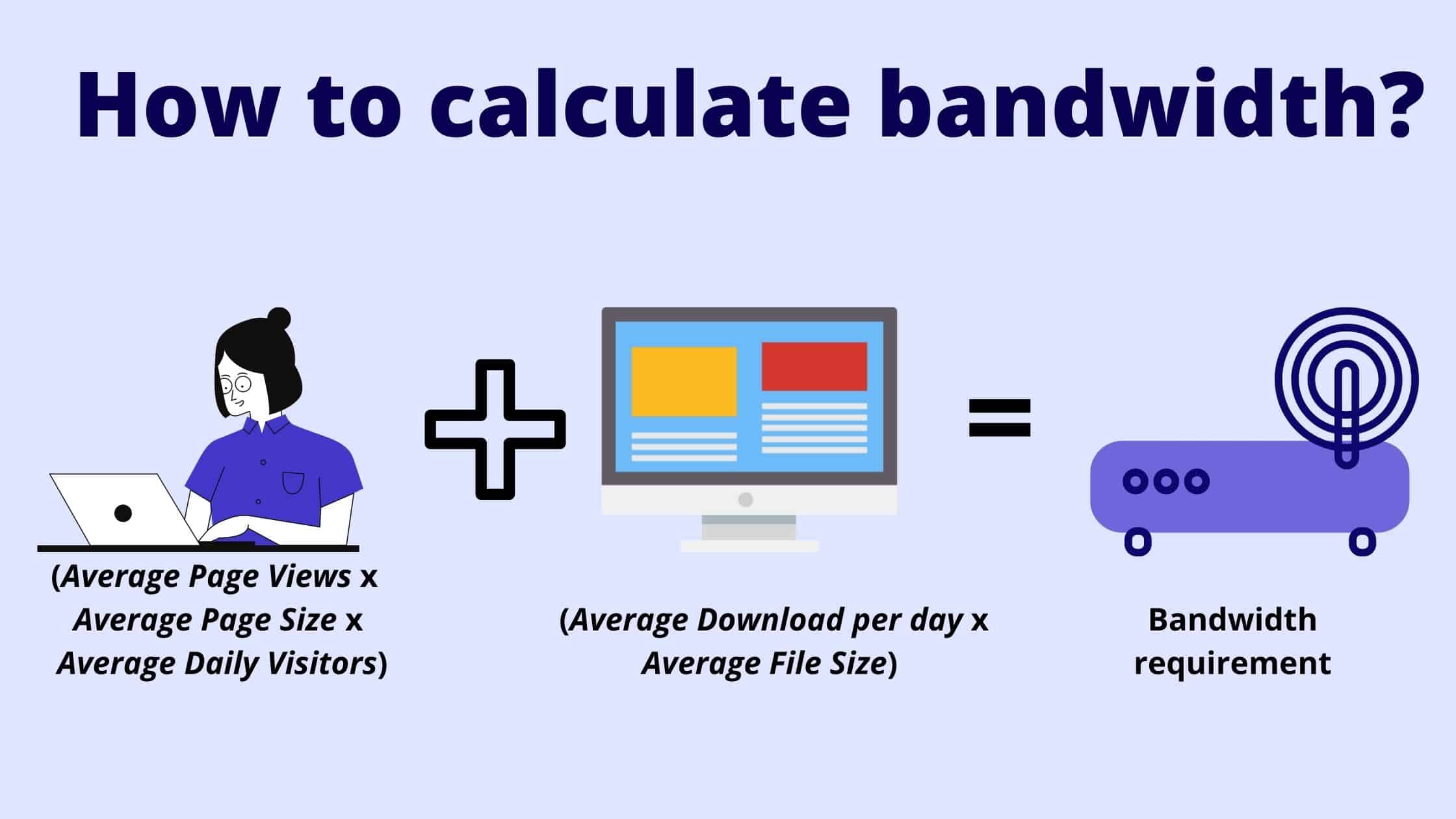
Calculating Bandwidth Needs
First, check how many visitors come to your site. Look at the data from your hosting provider. This helps you know how much data is used. More visitors mean more bandwidth is needed.
Bandwidth also depends on the content type. Videos and large images use more data. Text uses less. A site with many videos needs more bandwidth. Sites with mostly text need less.
Check your files’ sizes. Add them up for a total. This helps plan your bandwidth needs better.
Factors Affecting Bandwidth
More visitors mean more bandwidth is used. Busy times use a lot. On holidays, traffic may rise. Websites need to handle this. Too much traffic can slow a site. This might upset users. Planning for traffic spikes is smart. It helps sites run smoothly. A website should be ready for big days. Like sales or events.
Downloading files uses a lot of bandwidth. Videos and music files are large. They can slow down a site. Many users downloading at once is tough. Websites should manage downloads wisely. Making files smaller can help. This saves bandwidth. It also speeds up the site. Users like faster sites. It keeps them happy.
Bandwidth In Web Hosting Plans
Shared hosting is a budget-friendly option. Here, many websites use the same server. Bandwidth is limited. This means websites share the internet resources. This can slow down websites during high traffic. It’s good for small websites with less visitors.
Dedicated hosting offers a whole server for one website. This means high bandwidth. This type handles large traffic easily. It’s best for big websites. These websites need fast and smooth performance. But, it’s more expensive than shared hosting.
Cloud hosting uses many servers to host websites. This offers flexible bandwidth. Resources adjust based on traffic needs. Good for growing websites. It ensures websites stay online even during traffic spikes. It’s reliable but can cost more.
Managing Bandwidth Usage
Monitoring tools help you track your bandwidth. They show how much data you use. This is important. It helps you avoid overuse. Some tools send alerts. These alerts warn you of high usage. With alerts, you can act quickly. Many tools are easy to use. They have simple dashboards. Dashboards show data in graphs and charts. This makes it easy to understand. Kids can even read them. They help you save money too. Less overuse means lower costs.
Optimization techniques help reduce bandwidth use. One way is compressing files. Smaller files use less data. Another way is caching. Caching stores data for later. It loads faster and saves bandwidth. Image optimization is also key. Smaller images use less data. Minifying code helps too. It removes extra spaces in code. This makes the site load faster. All these techniques save bandwidth. They keep your site running smoothly.
Bandwidth Overages And Limits
Bandwidth in web hosting refers to the data transfer limit of your website. Exceeding this limit can lead to overages, possibly resulting in extra fees or slowed website performance. Understanding bandwidth helps in managing website traffic efficiently.
Consequences Of Exceeding Limits
Exceeding bandwidth limits can cause trouble. Website may slow down. Some visitors might see errors. Extra charges may apply. Hosting companies often have rules. Breaking them could lead to service suspension. Your site could go offline. This affects business and reputation. Traffic may drop. Visitors might leave quickly. Search rankings can suffer. It’s important to watch usage. Stay within the limits.
Avoiding Overages
Monitor your bandwidth regularly. Use tracking tools. Know how much data your site uses. Optimize images and videos. Smaller files save bandwidth. Limit downloads from your site. Check for traffic spikes. Upgrade your plan if needed. Some hosts offer flexible plans. Communicate with your host. They can advise on usage. Keep your site running smoothly. Plan for growth and extra traffic.

Credit: www.hostitsmart.com
Future Trends In Bandwidth
Technology changes fast. New gadgets need more bandwidth. Phones and computers do more things. They stream videos and play games. This needs a lot of data. Faster internet is now a must. As technology grows, so does the need for speed. Websites must keep up. They need to load fast. People do not like waiting. Slow sites lose visitors. So, web hosts need more bandwidth. It helps sites run smoothly. It keeps users happy.
More people use the internet each day. They use it for work and fun. Watching videos needs a lot of data. So does playing games online. This means more bandwidth is needed. Businesses also need it. They have big websites. They want many visitors. They need fast loading times. More bandwidth helps with this. It is important for a good user experience. Without enough bandwidth, sites can go slow. This makes users unhappy. They might leave the site. So, having enough bandwidth is key.

Credit: www.cloudways.com
Frequently Asked Questions
What Is Bandwidth In Hosting?
Bandwidth in hosting refers to the amount of data transferred between your website and users over a specific period. It impacts site speed and accessibility. Adequate bandwidth ensures smooth user experience and prevents downtime. Always choose hosting plans that match your website’s traffic needs for optimal performance.
How Much Bandwidth Do I Need To Host A Website?
Estimate your website’s bandwidth needs based on monthly visitors, page size, and page views. Small sites often need 10-100GB monthly. Increase bandwidth for multimedia content and high traffic. Regular monitoring can help adjust your requirements. Choose a scalable hosting plan to accommodate growth without interruptions.
Is 100gb Bandwidth Enough For A Website?
100GB bandwidth is generally enough for small to medium websites. It depends on website traffic and content type. Websites with high media usage or traffic might need more. Regular monitoring helps ensure it meets your needs.
What Is A Good Bandwidth For A Website?
A good website bandwidth usually ranges from 10 to 100 GB per month. It depends on traffic volume, media content, and website complexity. Consider future growth and user experience when choosing bandwidth. Opt for scalable plans to accommodate increasing traffic.
Conclusion
Understanding bandwidth is crucial for web hosting success. It affects website speed. Faster sites attract more visitors. Good bandwidth management ensures smooth user experiences. Choose hosting plans wisely. They should match your site’s needs. Monitor your usage regularly. This helps avoid unexpected costs.
Efficient use of bandwidth boosts site performance. It keeps users happy and engaged. Remember, a slow site can lose visitors. So, prioritize your bandwidth needs. Keep your website running efficiently. This enhances user satisfaction and retention. In web hosting, bandwidth matters.
It’s a key factor for online success.


