
Are you curious about launching your own website but unsure about the costs involved? You’re not alone.
Many aspiring website owners find themselves asking, “What is the cost of web hosting? ” This is a crucial question, as understanding web hosting expenses is the first step to making informed decisions about your online presence. Whether you’re setting up a personal blog, an online store, or a corporate site, knowing how much you’ll need to invest in web hosting can save you from unexpected surprises down the line.
We’ll break down the costs, help you understand what you’re paying for, and guide you towards the best choices for your needs. Stay with us to uncover the secrets of web hosting pricing and make sure you’re getting the best value for your money.
Types Of Web Hosting
Shared hosting is the most affordable option. Many websites share one server. Each site gets some space. This keeps costs low. Good for small sites. Not good for busy sites. Limited resources can slow your site. Easy to use. Perfect for beginners.
VPS stands for Virtual Private Server. Better than shared hosting. More control and space. Costs more than shared hosting. Good for growing sites. Offers more security. You get a part of the server. Not as much space as dedicated hosting.
Dedicated hosting means the whole server is yours. No sharing with others. Best for large sites. Offers the most control. High security and speed. Costs the most. Great for sites with heavy traffic. You need tech skills to manage it.
Cloud hosting uses many servers. It spreads your site across them. If one server fails, others help. Very reliable. Costs can vary. Good for sites with changing traffic. Offers flexibility. You pay for what you use. Easy to scale up or down.
Factors Influencing Hosting Costs
Server resources affect web hosting costs. More resources mean more cost. CPU power and RAM are key. More power means faster loading. It’s like a car engine. Bigger engine, faster speed. But it costs more.
Bandwidth and storage are crucial. Bandwidth is data transfer. More bandwidth, more visitors. Storage is like a closet. More space, more files. Need many visitors? Choose higher bandwidth. Need more space? Choose more storage.
Security features protect your website. They keep it safe. SSL certificates are important. They secure data. Firewalls block bad traffic. More security means more cost. But it keeps your site safe.
Technical support helps fix problems. Good support is like a friend. Always there to help. Some hosts offer 24/7 support. This can cost more. But it is worth it. You get help anytime.
Comparing Hosting Providers
Providers with strong reputation offer better service. Big names in hosting are often trusted. Their reliability is usually higher. Smaller companies may have less reliability. Check reviews to see feedback on service quality.
Reviews show real experiences from users. Happy customers often write positive reviews. Negative reviews highlight issues. Look at many reviews. This gives a clearer picture of service. Avoid basing decisions on a single review.
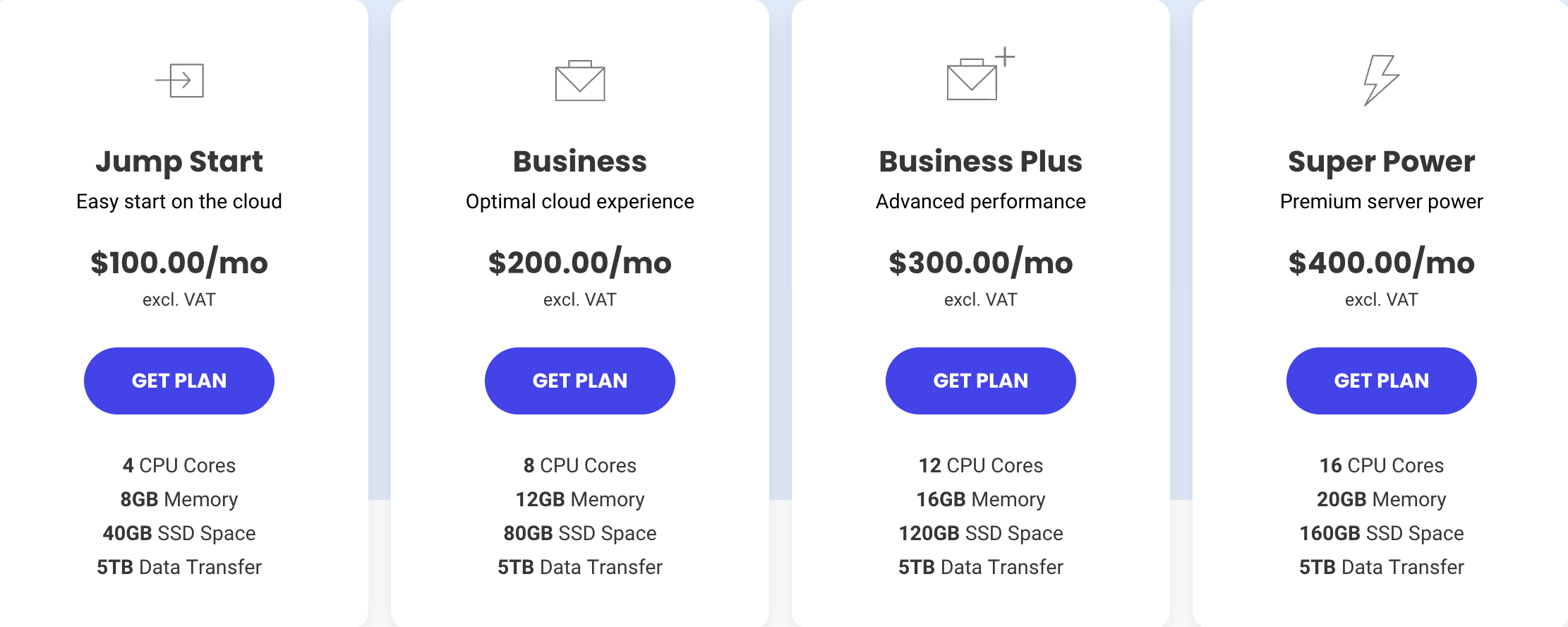
Pricing varies by provider. Some offer cheap plans with basic features. Others provide premium options. Compare plans to see what fits your budget. Check for hidden fees. Look for discounts on long-term plans.
Hidden Costs To Consider
The domain name is like your website’s address. You need to pay for it each year. Some hosting providers offer a free domain for the first year. After that, you will pay a fee. It can be $10 to $15 per year. Always check if this cost is included.
An SSL certificate keeps your site safe. It protects data from hackers. Some hosts give a free SSL. Others charge you for it. The cost may be $10 to $100 per year. Make sure your host provides SSL for free.
Backups save copies of your site. If something breaks, you can restore it. Some hosts give free backups. Many charge extra for this service. Costs can range from $2 to $10 monthly. Always ask about backup services before buying.
Cost-saving Tips
Choose long-term contracts for better deals. Save more with yearly plans. Monthly plans cost more. Big savings with longer commitment. Check all terms before signing.
Bundled services offer discounts. Get hosting and domain together. Some bundles include email. These packages cost less. Compare bundles from different providers. Pick the best offer.
Promotional offers reduce hosting costs. Look for special deals. Providers offer discounts often. Watch for sales during holidays. Sign up for newsletters. Get alerts for new offers.
Credit: www.ryrob.com
Assessing Your Needs
Predicting website traffic is important. More visitors need more resources. High traffic sites often need stronger plans. Choose wisely to avoid downtime. Downtime can make visitors leave. Estimate your monthly visitors. This helps in picking the right plan.
Websites need space and power. Large files need more storage. Multimedia content like videos takes up space. Basic sites need less storage. E-commerce sites need more. Picking the right plan saves money. Keep costs low but performance high.
Plan for growth. Websites often get bigger. Traffic can increase over time. Choose a plan that allows growth. Upgrading should be easy. Avoid starting over. Make sure your host supports future needs. This saves time and stress.
Future Trends In Web Hosting
Exploring the costs of web hosting reveals a range of options. Prices vary based on features and storage. Many providers offer budget-friendly plans for small websites. Larger businesses might need advanced services, influencing the cost. Understanding needs helps in selecting the right plan.
Green Hosting
Web hosting uses a lot of energy. Green hosting helps the planet. It uses renewable energy sources. This reduces carbon footprints. Green hosting protects the Earth. Companies are choosing green hosting. It is good for the environment.
Ai And Machine Learning
AI helps web hosting work better. Machine learning predicts problems. It fixes them fast. AI improves security. It stops bad attacks. AI makes hosting smarter. Companies use AI for better service. AI helps save money and time.
Serverless Architectures
Serverless hosting is new. It does not need a server. Tasks run in the cloud. It is easy to scale. Serverless saves costs. Developers love serverless. It is fast and flexible. Serverless hosting is growing. More companies use serverless.

Credit: www.hostgator.com

Credit: www.crazyegg.com
Frequently Asked Questions
What Is The Average Cost Of Hosting A Website?
The average cost of hosting a website ranges from $2. 95 to $300 per month. Shared hosting is cheaper, while dedicated hosting is more expensive. Prices vary based on features, performance, and support. Choose a plan that fits your website’s needs and budget for optimal results.
How Much Money Is Required To Host A Website?
Website hosting costs vary widely, ranging from $3 to $300 monthly, depending on the provider and plan. Basic shared hosting is cheaper, while dedicated hosting is more expensive. Additional costs include domain registration, security features, and potential add-ons, affecting the overall budget.
Choose a plan that fits your needs and budget.
What Is The Pricing For Hosting?
Hosting prices vary based on provider, plan, and features. Basic plans start at $3 to $10 monthly. Premium plans, offering more resources, range from $20 to $100 monthly. Custom enterprise solutions may cost higher, depending on specific needs. Always compare features and read user reviews before choosing.
Can I Host My Website For Free?
Yes, you can host your website for free using platforms like GitHub Pages, Netlify, or InfinityFree. These services offer free hosting with limited features. Ensure you understand their terms and limitations before choosing. Free hosting is ideal for personal projects or small websites without heavy traffic.
Conclusion
Choosing the right web hosting impacts your website’s success. Costs vary based on features and provider. Basic plans can be affordable. Advanced options might cost more. Consider your needs and budget carefully. Research different hosting companies. Read reviews from other users.
Compare prices and features. A good choice can enhance website performance. Don’t rush the decision. Take your time. Assess your site’s requirements. Reliable hosting supports growth and security. Make informed choices for the best results.


