
Have you ever wondered what powers the websites you visit every day? Behind every website, big or small, there’s a web hosting business making it accessible to you.
But what exactly is a web hosting business, and why should you care? Imagine your favorite website vanishing because it had nowhere to ‘live’ online. That’s where web hosting comes in, providing that essential home. You’ll discover the fascinating world of web hosting businesses.
We’ll break it down for you, exploring how they operate, why they are crucial, and how they impact your online experience. Whether you’re a curious web surfer or someone looking to start your own website, understanding web hosting could be the key to unlocking a deeper digital insight. So, let’s dive in and uncover the secrets behind the web hosting curtain. Your journey to mastering the web starts here.
Web Hosting Basics
Web hosting is a service. It makes your website live online. Websites need a home to live. This home is the server. Hosting companies provide this home. They store your website files. They make sure your site is accessible.
Servers are like big computers. They are always on. This is important for 24/7 access. Without hosting, your site can’t be seen. This is why hosting is crucial.
Hosting providers are important for your website. They offer space on a server. They also manage the server. This includes security and updates. Their role is to keep your site running smoothly.
Providers also help with technical support. If your site has a problem, they can fix it. They ensure your site is fast and reliable. Choosing a good provider is key for your website’s success.
Types Of Web Hosting
Shared hosting is a popular choice for beginners. Many websites share one server. This means lower costs. Performance may be slow with heavy traffic. It’s perfect for personal sites or small businesses. Security is basic but enough for most users. Easy to use, even for kids!
VPS stands for Virtual Private Server. It offers more control than shared hosting. Each user gets a portion of the server. This means better performance. Costs are higher than shared hosting. Great for growing websites. Offers better security and flexibility. A good choice for tech-savvy users.
Dedicated hosting means one server for one user. No sharing with others. This offers top performance and security. It is the most expensive option. Ideal for big websites and businesses. Users have full control over the server. Requires technical knowledge to manage.
Cloud hosting uses many servers. This allows for better reliability. If one server fails, another takes over. Costs vary based on usage. Great for websites with changing traffic. Offers flexibility and scalability. Easy to upgrade when needed. Suitable for growing businesses.
Key Features Of Web Hosting Services
Web hosting provides bandwidth to transfer data. More bandwidth means faster loading. Storage is where you keep your files. More storage allows for more content. Both are key for a website’s performance.
Web hosting services offer uptime. Uptime is the time your site is online. A good service has 99.9% uptime. This ensures your site is reliable. People can visit any time.
Security is important for web hosting. Hosts provide firewalls and SSL certificates. These protect your site from hackers. Keeping data safe is a top priority.
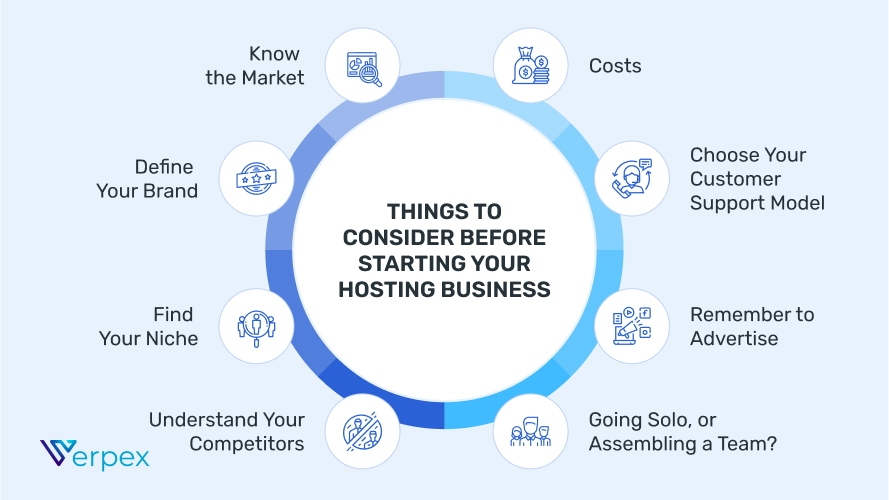
Credit: verpex.com
Choosing The Right Hosting Plan
Understanding business needs is crucial. Start by thinking about the website’s size. A small blog has different needs than a big store. Consider the traffic. More visitors need more power. Check if the website needs special features. Some sites use videos or pictures. These need more storage.
Budget is important. Hosting plans come at different costs. Basic plans are cheaper but offer fewer features. Advanced plans cost more but provide better services. Choose a plan that fits your money plan. Don’t spend too much or too little. Balance cost and need.
Scalability means growth. Businesses grow over time. Hosting should grow too. Look for plans that allow easy upgrades. This helps when your site becomes popular. Flexible plans save time and money. Choose a plan that can handle more traffic later.
Setting Up A Web Hosting Business
Starting costs for a web hosting business can vary. You need basic servers. These are important for hosting websites. You might also need software licenses. These help run your servers smoothly. Don’t forget about marketing costs. They help in attracting customers. Every penny counts, so plan your budget well.
Good infrastructure is crucial. Reliable servers are a must. They ensure websites stay online. Fast internet connection is also needed. It helps in quick data transfer. Backup systems protect data from loss. A secure environment is important. It keeps customer data safe.
Legal steps are vital before starting. You must register your business. This makes it official. Privacy policies are needed. They protect customer data. Don’t forget terms of service. They outline user responsibilities. Consult a lawyer for guidance. It’s better to be safe than sorry.

Credit: verpex.com
Marketing And Customer Acquisition
Finding the right customers is key. Identify who needs web hosting. Small businesses often need a reliable host. Bloggers also look for hosting services. Knowing your audience helps make better ads. Use surveys to learn more about them. Social media can also help find potential users. Keep your target group in mind always.
Use ads to reach more people. Ads on Google can bring traffic. Social media ads are also helpful. Share useful content on your blog. Write about how web hosting works. Offer discounts to attract new customers. Use email marketing to stay in touch. Send newsletters about your services. Keep your message clear and simple.
Happy customers come back. Offer good customer support to solve problems fast. Provide guides and tutorials. Help users understand their hosting better. Reward customers for staying loyal. Loyalty programs can keep them happy. Ask for feedback to improve services. Show that you care about their needs. Keep your promises to build trust.
Challenges In Web Hosting Business
Web hosting businesses face many challenges. Maintaining server uptime and ensuring data security is crucial. Handling customer support and managing costs also pose difficulties. Adapting to new technologies and meeting customer expectations requires constant effort. Effective strategies and innovation are key to overcoming these obstacles.
Competition In The Market
The web hosting market is crowded. Many companies offer similar services. Standing out is hard. Companies fight for customers. Prices drop due to competition. Some companies may use unfair tactics. Quality can suffer when prices are too low. Staying ahead is tough. It’s important to be unique. Offer something special. Customers look for value, not just low prices.
Technological Advancements
Technology changes quickly. Web hosting must keep up. New software is released often. Hardware gets better every year. Companies must update their systems. Falling behind is risky. Customers want fast and safe services. Investing in tech is costly. Training staff is important. Everyone must understand new tools. Keeping up is a constant challenge.
Customer Support Demands
Customers have high expectations. They want help fast. Support must be available 24/7. Questions can be complex. Staff need strong skills. Solving problems quickly is key. Good support builds trust. Poor support loses customers. Investing in training is vital. Happy customers come back. They tell others about your service. Support quality matters.
Future Trends In Web Hosting
Web hosting businesses provide online space for websites. Future trends include cloud hosting and improved security measures. These innovations make websites faster and safer. As more people use the internet, web hosting services grow in demand. This creates new opportunities for businesses to expand their online presence effectively.
Emergence Of Green Hosting
Green hosting uses less energy. It helps the planet. Renewable energy powers the servers. This reduces carbon footprints. Many companies now choose green hosting. This is to be eco-friendly. Customers also love this idea. It makes them feel good.
Ai Integration
AI is making hosting smart. It helps in many ways. Predicting server issues is one way. This prevents downtime. AI also improves speed. Websites load faster. Faster sites make users happy. Smart tools help manage data better. This saves time and effort.
Enhanced Security Protocols
Security is very important. Hackers want data. New protocols keep data safe. These protocols are stronger. They stop attacks fast. Encrypting data is one method. This makes it unreadable to bad people. Firewalls are also better. They block threats quickly.
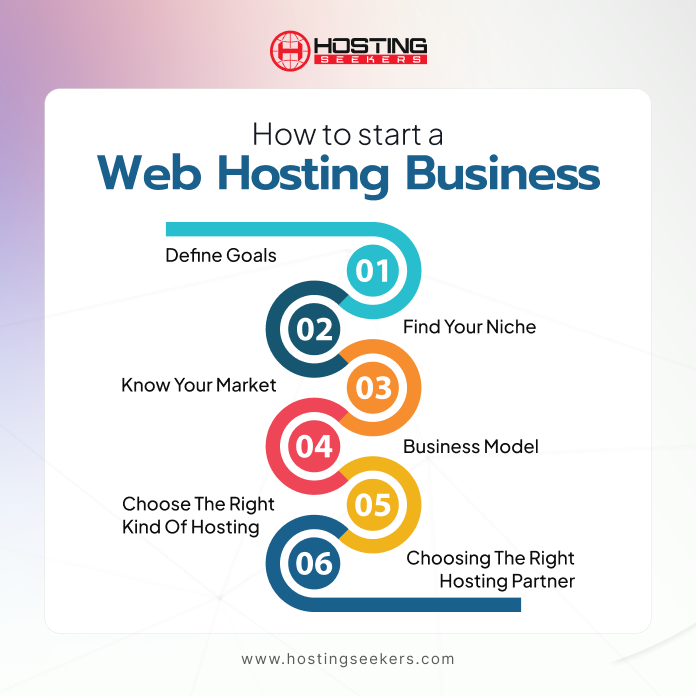
Credit: www.hostingseekers.com
Frequently Asked Questions
What Does A Web Hosting Company Do?
A web hosting company provides the technology and services needed for websites to be accessible online. It stores website files on servers, ensuring they are available to users. They offer domain registration, email accounts, and customer support. Hosting plans vary, including shared, VPS, and dedicated server options, catering to different needs and budgets.
What Are The 3 Types Of Web Hosting?
Web hosting types include shared hosting, VPS hosting, and dedicated hosting. Shared hosting is cost-effective and suitable for beginners. VPS offers more resources and control. Dedicated hosting provides exclusive server use for high-traffic websites. Each type caters to different needs based on budget and site requirements.
Is Web Hosting A Good Business?
Web hosting is a profitable business with growing demand. It offers recurring revenue and scalability. Success depends on competitive pricing, reliable service, and effective marketing strategies.
What Is Web Hosting With An Example?
Web hosting is a service that allows individuals or businesses to store their websites on the internet. Hosting companies provide the technology and server space needed. For example, Bluehost hosts your website files, making it accessible online. Choose a reliable host for better website performance and security.
Conclusion
Starting a web hosting business offers great potential. It provides essential services for website owners. Understanding the basics is crucial for success. A reliable server and strong customer support are key. You need to choose the right hosting type. Shared, VPS, or dedicated hosting each have benefits.
Research and plan carefully to meet customer needs. Focus on security and uptime. Keep your pricing competitive yet fair. Building a web hosting business requires dedication and effort. With the right approach, it can be rewarding. Keep learning and adapting to industry changes.
This ensures long-term success and growth.


