
Have you ever wondered how your favorite websites are always available whenever you need them? It’s not magic; it’s web hosting.
Understanding how web hosting works can seem complex at first, but it’s quite straightforward. Imagine your website as a book and web hosting as the library where it is stored. Just as you need a library to house books, your website needs a host to be accessible on the internet.
You’ll uncover the secrets behind web hosting, how it powers your online presence, and why choosing the right web hosting service is crucial for your site’s success. Whether you’re planning to launch a personal blog or a business website, knowing how web hosting works will empower you to make informed decisions. Let’s demystify the process and take the first step towards a robust online presence.
Web Hosting Basics
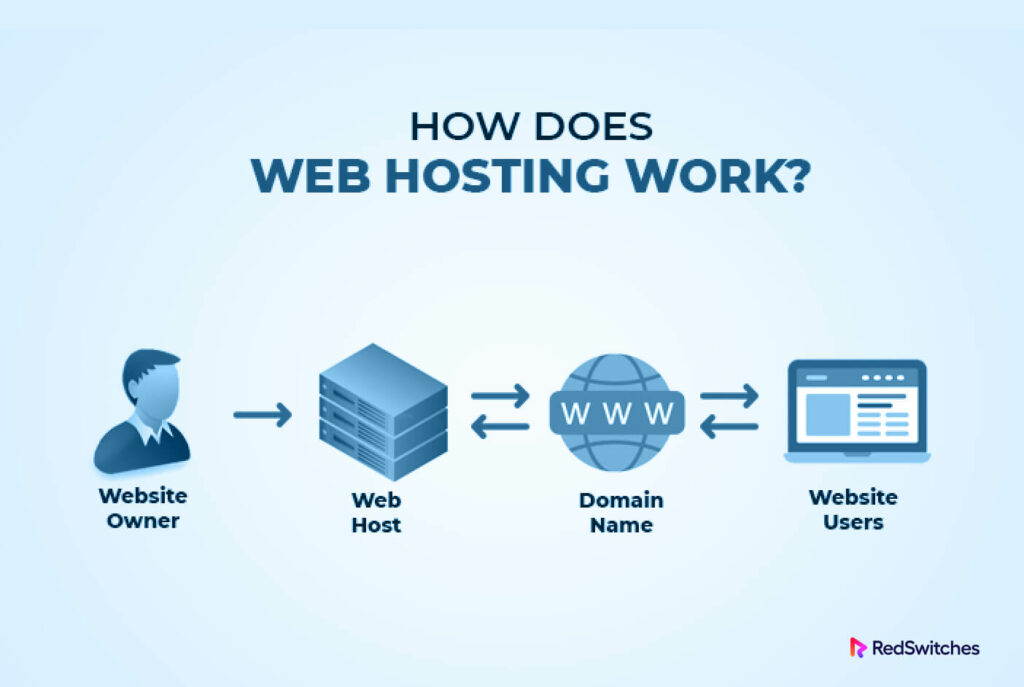
Web hosting lets you store your website on a computer. This computer is called a server. The server keeps your website files safe. It allows people to see your site online. Without hosting, your website cannot be seen. Hosting is like renting a space on the internet. You pay a company to use their server. They make sure your site works all the time. Different hosting types exist. Shared hosting is common and cheap. You share the server with other websites. Dedicated hosting is for big sites. You get your own server. It costs more than shared hosting. Choosing the right hosting is important. It affects how fast your site loads. A slow site can make visitors leave. Fast sites keep visitors happy. Hosting companies offer support. They help fix problems quickly. Good hosting keeps your site safe. It protects against hackers. Regular updates keep your site secure.
Types Of Web Hosting
Shared hosting means many websites share one server. It is cost-effective and easy to use. Perfect for small websites or blogs. But it can be slow if too many websites are on the same server. Limited resources might make your site slower.
VPS stands for Virtual Private Server. It is like shared hosting but with more control. You get more resources and power. It’s good for medium-sized websites. You can do more with it than shared hosting. More expensive than shared hosting.
Dedicated hosting means your site has its own server. You get all the resources. It is fast and very reliable. Great for big websites with lots of visitors. You have full control. But it costs much more money.
Cloud hosting uses many servers to host your website. If one server fails, another takes over. It is flexible and scalable. Good for websites that grow fast. You pay only for what you use. It can be complex to manage.
Key Components Of Web Hosting
Servers are like big computers. They store your website data. Web hosting means using these servers. They keep your site online. Without servers, your website can’t be seen. Fast servers help your site load quickly. This keeps visitors happy. Slow servers can cause problems. Choose a good server for your website.
Data centers are large buildings. They hold many servers. Data centers have strong internet connections. They keep servers safe and cool. They have backups for power. This helps servers stay online. Data centers are important for web hosting. They make sure websites work all the time.
Bandwidth is about how much data moves. It affects how fast your site loads. More bandwidth means better speed. Websites need good bandwidth. It helps many people visit at once. Bandwidth is measured in bits per second. Choose a host with enough bandwidth. It keeps your site smooth and fast.
Domain And Hosting Relationship
A domain is like your home address on the internet. It helps people find your website. Think of hosting as the land where your house sits. Hosting keeps all your website files safe. Together, they make your website live online. Without a domain, no one can visit your site. Without hosting, your site has no place to live.
Every website needs both to work. Domains and hosting are sold by companies. These companies are called registrars and hosting providers. You can choose different companies for each, or the same for both. Choosing the right one is important. It keeps your website fast and safe.
Choosing The Right Hosting Provider
Different hosting providers offer various pricing plans. Some plans are cheap but have few features. Others cost more but offer extra benefits. Look for plans that match your needs. Compare prices to get the best deal. Always check what’s included in each plan. Some might offer free domains or extra storage. Keep an eye on hidden fees. These can make a plan more expensive.
Good customer support is vital. Choose a provider with 24/7 support. This helps if problems occur at odd hours. Many companies offer support through chat, email, or phone. Check reviews on their support quality. Quick and effective help can save time. Helpful support can make hosting a smooth experience.
Hosting should include strong security features. Look for providers that offer SSL certificates. These help protect data. Regular backups are also important. They ensure data safety in case of problems. Firewalls and malware protection are key. They help keep websites safe from attacks. Ensure the provider has a good reputation for security.

Credit: www.hostinger.com
Setting Up Your Website
Domains are like addresses on the internet. You need one to start. Choose a name that is easy to remember. Then, go to a domain registrar website. Here, you can buy your domain. You pay a fee each year to keep your domain. Make sure your name is unique. If someone else has it, you must pick another.
You need to put your website files online. Use FTP software to upload files. Connect to your web host with this software. Then, move your files to the server. Now, people can see your website. Check that all files are in the right place. Your site won’t work if files are missing.
DNS settings help computers find your website. Think of it like a phone book. You need to set them up correctly. Log into your domain registrar account. Find the DNS settings section. Enter the details given by your web host. This links your domain to the website files. It can take a few hours to update. Wait patiently for the changes to take effect.
Managing Hosting Services
Control panels help manage website settings. They give access to files and databases. Users can add email accounts easily. Control panels are user-friendly. They simplify complex tasks for beginners. Most panels offer security settings. They protect sites from threats. Popular panels include cPanel and Plesk. They provide helpful tools for site management.
Backups save copies of website data. They prevent data loss during problems. Regular backups are important for safety. Many hosts offer automatic backups. Users can set schedules for backups. Backups restore lost files quickly. They are stored in secure places. They ensure data is safe from errors.
Monitoring checks site speed and uptime. It alerts users to slowdowns. Good performance keeps visitors happy. Many tools track website health. They provide reports on site speed. Users can fix problems using these reports. Monitoring helps find issues fast. It improves website experience for everyone.

Credit: www.znetlive.com
Common Hosting Issues
Understanding web hosting involves recognizing common issues like server downtime and slow loading speeds. These problems can affect website performance, causing frustration for visitors. Choosing a reliable hosting provider helps ensure smooth operation and better user experience.
Downtime
Downtime means your website is not online. This can upset visitors. They might leave and never return. Long downtime can hurt your site’s reputation. Every second counts when your site is down. Regular checks can help avoid problems. Hosting providers should offer good uptime. Choosing a reliable host reduces downtime risk.
Slow Load Times
Websites should load fast. Slow load times frustrate users. They may leave if waiting too long. Speed matters for a good user experience. Fast sites keep visitors happy. Slow sites can impact search rankings. Optimize images to improve speed. Choose a host with fast servers. Test your site speed often.
Security Breaches
Security breaches are dangerous. Hackers can steal data. This can harm your site’s trust. Protect your site with strong passwords. Regular updates keep software safe. Choose hosts with good security features. Monitor your site for unusual activity. Secure sites keep visitors safe.
Future Of Web Hosting
Web hosting can be friendly to the earth. Green hosting uses clean energy. This helps to reduce pollution. Companies plant trees or use solar power. This makes hosting better for nature. People like this because it helps the planet. Everyone wants a clean earth. Green hosting is good for the future. It helps keep the world safe.
Edge computing is about moving data closer. It helps websites run faster. This is because data travels less distance. Devices near you do the work. This saves time and energy. It also makes the internet quicker. Edge computing helps in smart homes. It makes things easy and fast. Many people like this new way.
Credit: safiakhatoon.hashnode.dev
Frequently Asked Questions
How Does The Web Hosting Work?
Web hosting stores your website files on servers, making them accessible online. It provides space, bandwidth, and support.
How Much Does Web Hosting Cost Per Month?
Web hosting costs vary widely. Shared hosting starts around $3 to $10 per month. VPS hosting ranges from $20 to $100 monthly. Dedicated servers can cost $80 to $300 or more. Prices depend on features, storage, and bandwidth requirements. Compare providers to find the best deal for your needs.
Can I Run My Website Without Hosting?
No, a website requires hosting to be accessible online. Hosting stores your website’s files on a server. Without hosting, users can’t access your site through the internet. Choose reliable hosting for optimal performance and security.
What Are The Three Types Of Web Hosting?
The three types of web hosting are shared hosting, VPS hosting, and dedicated hosting. Shared hosting is cost-effective, ideal for beginners. VPS hosting offers more control and resources. Dedicated hosting provides maximum performance and security, suitable for large websites. Choose based on your site’s needs and budget.
Conclusion
Understanding web hosting is essential for your online presence. It acts as a home for your website. Choosing the right host impacts speed and security. Reliable hosts ensure your site runs smoothly. They offer essential features like backups and support.
Cost varies based on needs and features. Free options exist but come with limits. Consider your site’s growth when selecting a plan. A good host supports your website goals. Always research before making a decision. Hosting is the backbone of your online journey.
Make informed choices for the best results.


