Have you ever felt lost in the maze of installing WordPress? You’re not alone.
Whether you’re a seasoned developer or a first-time user, finding the right installation path can be a daunting task. But fear not, because this guide is designed with you in mind. We know the frustration that comes with technical jargon and complicated instructions.
That’s why we’re breaking it down into simple, easy-to-follow steps. Imagine the satisfaction of navigating WordPress installation with confidence and ease. Your journey to mastering WordPress starts here, and by the end of this article, you’ll be equipped with the knowledge you need to get your site up and running smoothly. So, let’s dive in and unlock the secrets of the WordPress installation path. Your website awaits!
Credit: support.plesk.com
WordPress Installation Basics
Installing WordPress is easy. First, download the WordPress package. Next, upload the files to your server. Use an FTP client for this task. Make sure files are in the correct folder. This folder is your installation path. It is usually the root or a subdirectory.
Create a database for WordPress. Use your hosting account for this. Remember the database name and password. You need them later. Run the WordPress installation script. This is the final step. Enter your database details when prompted.
Now, you have installed WordPress. Access it via your web browser. Use your website’s URL to see the results.
Choosing The Right Hosting Provider
Shared hosting is like sharing a room with others. It’s affordable and simple. Many websites use the same server. This makes it cost-effective. But, it might slow down if many visitors come. It’s a good choice for small sites.
VPS stands for Virtual Private Server. It’s like having your own room in a house. More control and resources than shared hosting. It’s flexible and faster. Best for growing websites. Costs more than shared hosting but offers better performance.
Dedicated hosting means you get the whole house. Full control and power. No sharing with others. It’s fast and secure. Ideal for big websites with many visitors. It’s more expensive, but worth it for large businesses.
Managed WordPress hosting is like having a helper. Experts handle the technical stuff. This makes it easy for you. Fast and secure with WordPress updates. Great for those who want less hassle. Costs more, but saves you time.
Setting Up A Domain
Choose a name for your website. This name is called a domain. Visit a domain registrar website. Type your chosen name in the search box. Check if it’s available. If it is, register it. Follow the steps on the site. Pay the fee. Keep your login details safe. You will need them later. Registration is now complete.
Log in to your domain registrar account. Find the DNS settings section. You must add your hosting provider’s details here. Look for nameservers. Enter the correct values provided by your host. Save the changes. DNS settings will help connect your domain to your website. It might take some time for changes to appear. Sometimes up to 48 hours. Be patient. Your domain is now ready for use.
Downloading WordPress
Visit the official WordPress website to download the software. This ensures you get the latest version. Always download from trusted sources. This keeps your site safe and secure.
Check your hosting server’s PHP and MySQL versions. They must be compatible with WordPress. This helps to avoid errors during installation. It’s important to update old software. This keeps everything running smoothly.
Uploading Files To Server
FTP clients help in uploading files to servers. FileZilla is a popular choice. It is easy to use. Connect to the server using your login details. Drag and drop files to the server. Ensure the files are placed in the correct folder. This ensures WordPress works well.
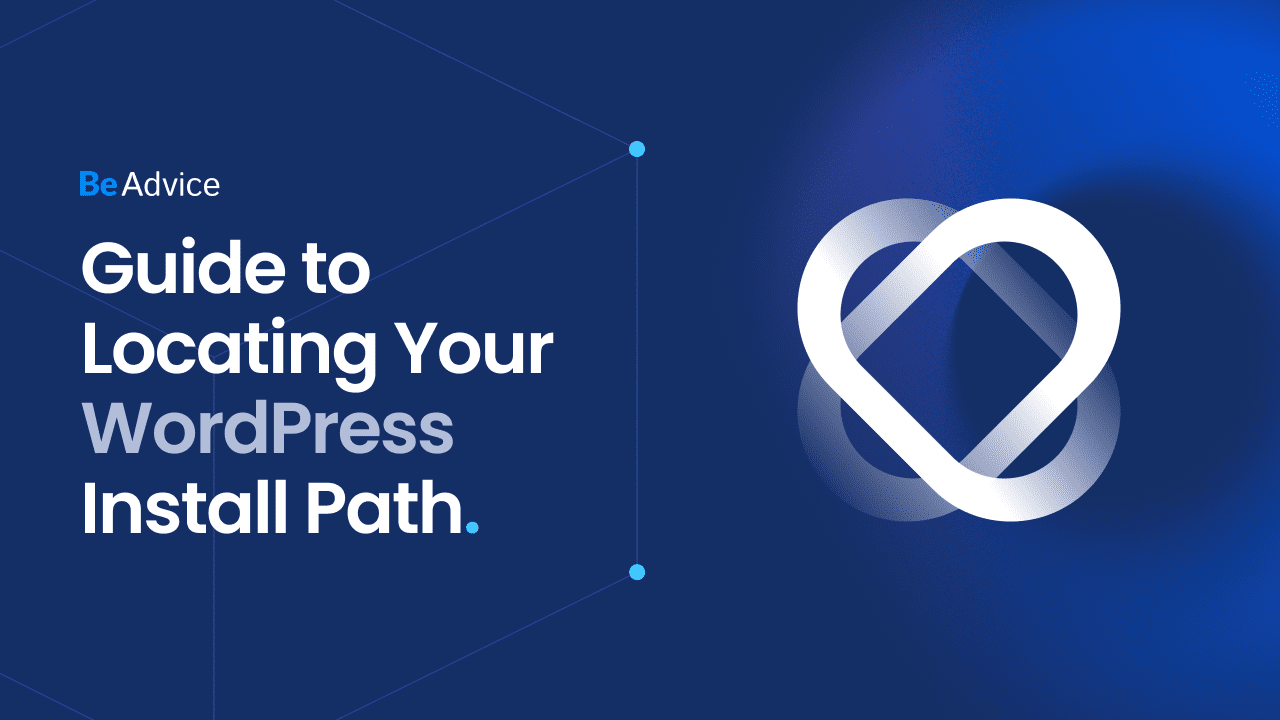
cPanel’s File Manager is another option. It is user-friendly. Access it through your hosting account. Navigate to the WordPress folder. Click “Upload” to add files. Make sure files go to the right directory. This ensures smooth WordPress installation.
Credit: muffingroup.com
Creating A Database
Setting up a MySQL database is a key step for WordPress. Start by accessing your web hosting account. Look for the MySQL databases section. Click on it to create a new database. Choose a simple name. This makes it easy to remember.
Next, create a database user. Assign a username and a strong password. Make sure to note these down. They are important for later steps. Now, connect the user to the database. Give the user all privileges. This allows full access to the database.
Double-check everything. Ensure the database name, username, and password are correct. This will help avoid errors during WordPress installation. Once done, you are ready for the next step.
Configuring Wp-config.php
Database Details are crucial for WordPress. You need to enter them in the wp-config.php file. This file is in the root folder of your WordPress. Open the file using a text editor. You will see lines for database name, user, and password. Replace these with your own information. Make sure they are correct. Mistakes can break your site.
Security Keys make your site safer. They are like secret codes. You will find them in the wp-config.php file too. WordPress provides a link to generate these keys. Use this link to get unique keys. Copy and paste them into the file. This helps in keeping your site secure and safe.
Running The Installation Script
Find the WordPress installation path in your browser. Type the URL to start the installer. You see a welcome page. Click on the “Let’s go!” button. This begins the setup process.
Fill in the database details. These include database name, username, and password. Hit the “Submit” button. If details are right, you see a success message. Click the “Run the installation” button next. Enter your site title and login details. Press the “Install WordPress” button to finish.
Troubleshooting Common Issues
Finding the installation path for WordPress can be tricky. Typically, it’s in the root directory of your web server. Check your hosting control panel for specific details.
File Permission Errors
File permission errors can cause problems. WordPress needs access to files. Files have different permissions. Permissions can be too strict. This stops WordPress from working. Permissions must be set correctly. Folders need 775 permission. Files need 664 permission. Use a File Manager to change permissions. Check the settings. Make sure they are correct. If files are blocked, WordPress breaks.
Database Connection Issues
WordPress needs a database. Sometimes it cannot connect. This causes errors. Check the wp-config.php file. Make sure database name, username, and password are correct. Look at the database server name. It should be localhost. If not, change it. Check the database server. Is it running? If not, start it. Errors happen if the server stops. Ensure everything is correct. WordPress needs access to the database.
Credit: wcanvas.com
Frequently Asked Questions
What Is The Default WordPress Installation Path?
The default installation path for WordPress is typically in the root directory of your web server, such as `/public_html/` or `/www/`. This location can vary based on your hosting provider. It’s important to ensure the directory has the necessary permissions for WordPress to function properly.
Can I Change The WordPress Installation Path?
Yes, you can change the WordPress installation path. During installation, you can choose a custom directory. Alternatively, you can move your existing WordPress files to a new location and update your `wp-config. php` and `. htaccess` files accordingly to reflect the changes.
How Do I Find My WordPress Installation Path?
To find your WordPress installation path, access your hosting control panel or file manager. Navigate to the root directory of your website. Look for folders like `wp-admin`, `wp-content`, and `wp-includes`. The presence of these folders confirms the WordPress installation path.
Why Is The Installation Path Important For WordPress?
The installation path is crucial for WordPress functionality and security. It determines where WordPress files reside on your server. A correct installation path ensures proper file access, execution, and updates. Securely managing this path helps protect your site from unauthorized access and attacks.
Conclusion
Choosing the right installation path for WordPress is crucial. It affects your site’s performance and accessibility. Ensure the path is simple and logical. This helps in managing your site better. Avoid complex directories that confuse. Simple paths lead to a smoother WordPress experience.
Regular updates and backups are easier with clear paths. Remember, a clear installation path means better site management. Your WordPress journey starts with a smart path choice. Keep it straightforward. Make your site easy to navigate and maintain. Happy WordPress installation!