
Are you dreaming of starting your own web hosting company? Do you want to tap into the booming internet industry and offer reliable services to eager businesses and individuals?
Creating a web hosting company can be a rewarding venture, both financially and professionally. But where do you start, and how can you ensure your company stands out in a crowded market? You might be wondering about the steps involved, the resources required, and the challenges you might face.
This guide is designed to answer all those questions and more. We’ll walk you through each stage, from planning and setup to attracting your first customers. Imagine having the tools and insights to build a successful web hosting business, tailored to your vision and goals. Curious about how you can make it happen? Dive into this article to discover the secrets behind launching a successful web hosting company. You’ll find practical advice and expert tips that will empower you to take action and turn your dreams into reality.
Market Research
First, find out who needs web hosting. Beginners and businesses often do. Small businesses want reliable hosting. Bloggers look for easy setups. Developers need custom options. Ask questions. What do they want? What problems do they face? Knowing this helps you plan better.
Check what other hosting companies offer. Look at their prices and features. Do they have good reviews? Customer support is important. Find out what they do well. Also, see where they lack. This gives you ideas to improve. Offer something different.
Technology changes fast. Stay updated. Cloud hosting is popular now. Security is a big concern. People want fast websites. Keep an eye on these trends. Adjust your plans to meet new demands.

Credit: www.hostingseekers.com
Business Planning
Start by choosing the best business model for your web hosting company. Options include shared hosting, dedicated servers, and cloud services. Each model has unique benefits. Think about what suits your goals and resources. It’s important to align this with your target audience’s needs.
Making financial projections is very important. List all costs and potential earnings. Know your startup costs and monthly expenses. Include things like server costs, domain fees, and marketing. Predict how much money you will make in the first year. This helps in planning your budget wisely.
Your brand identity sets you apart. Choose a name that is easy to remember. Create a logo that looks professional. Decide on your company colors. These elements help in building trust with customers. Make sure your website reflects your brand’s values. Consistency is key to a strong identity.
Legal Requirements
Choose a unique name for your company. Ensure it’s available in your state. Check with the local business registry. This helps avoid conflicts with other businesses. You might need to pay a small fee. The process can be quick and easy.
Different locations have different rules. Some places need specific licenses. Visit your local government office. Ask about requirements for web hosting. Complete the necessary forms. Pay attention to deadlines and fees. Keep copies of all documents.
Every business must pay taxes. Learn about your tax responsibilities. Register for an Employer Identification Number (EIN). This is like a social security number for your business. Keep track of all earnings and expenses. Filing taxes on time is important. Consider hiring a tax professional for help.
Infrastructure Setup
Data center location is crucial. Pick a place with stable power. Ensure internet connectivity is strong. Avoid areas prone to natural disasters. Consider customer proximity. This reduces latency. It’s essential for user experience. Choose wisely to optimize performance.
Hardware reliability matters. Invest in high-quality servers. Choose durable components. Ensure compatibility with existing systems. Regularly update hardware. It ensures smooth operations. Prioritize performance and longevity. Reliable hardware boosts customer satisfaction.
Security measures protect data. Use firewalls to block threats. Install antivirus software. Regularly update security systems. Educate staff about cyber threats. Implement access controls. Ensure data encryption. Security is critical for trust.
Software And Tools
A hosting control panel is like a dashboard. It helps you manage your server. cPanel and Plesk are popular choices. They make tasks easy. You can set up emails, domains, and more. Choose a panel that suits your needs. It should be user-friendly. Also, it should be reliable.
Billing software is important for payments. It handles invoices and subscriptions. Options like WHMCS and Blesta are good. They help automate billing. This saves time. It also reduces errors. Make sure the software is secure. Customers trust you with their data.
Monitoring tools check your server health. They alert you to issues. Nagios and Zabbix are examples. These tools track performance and uptime. They help you fix problems fast. Keeping servers running smoothly is key. Clients rely on your service. Ensure you use reliable tools.

Credit: verpex.com
Develop Service Offerings
Create different hosting packages for users. Start with basic and premium options. Basic packages should offer good speed and security. Premium packages can include extra features. Make sure each package fits different needs. Users should see clear benefits of each package.
Allow users to register domains easily. Provide a search tool for available names. Offer popular domain extensions like .com and .net. Make registration simple and fast. Users should feel confident when choosing a name. Ensure competitive prices for domain registration.
Offer extra services to improve user experience. Include SSL certificates for website safety. Provide email hosting for professional communication. Offer website builders for easy site creation. Support customers with 24/7 help. Make sure users have everything they need.
Pricing Strategy
Understanding your cost structure is key. Break down every expense. Include server costs, support staff, and marketing. Know how much each service costs. This helps in setting prices that cover expenses. Keep an eye on hidden costs. Regularly review all expenses.
Check what others charge. Compare your services with theirs. Find a good price that attracts customers. Don’t set prices too high. But avoid very low prices too. A balanced price keeps customers happy. Make sure your prices cover costs.
Discounts attract new customers. Offer promotions during holidays. Provide special deals for first-time users. Reward loyal customers with discounts. Use limited-time offers to create urgency. Discounts can help fill gaps in business cycles.
Marketing And Sales
A strong online presence is essential. Start with a simple website. Use it to show your hosting services. Add a blog to share useful tips. Keep content fresh and engaging. Use SEO to help people find you online. The website should be easy to navigate. Make sure it loads quickly. Fast websites keep visitors happy. Happy visitors might become your customers.
Social media is a great tool. Share updates about your hosting services. Post interesting articles about web hosting. Engage with your audience. Answer their questions. Social media helps you reach more people. It’s a way to build trust. People like to follow active businesses. Consistent posting is key. Use platforms like Facebook and Twitter.
Affiliates can help you grow. Start an affiliate program for your company. Partners promote your services. They earn a commission for each sale. This helps you reach new customers. Affiliates are like your sales team. Choose partners who understand hosting. Provide them with marketing materials. This makes it easy for them to promote you. It’s a win-win situation.
Customer Support
Customers need help often. Offer many ways to contact support. Use email, phone, and live chat. Make support easy to find. Ensure response is quick. Happy customers are loyal customers.
Train staff well. Teach them about the products. Explain how to talk to customers. Role play different situations. This helps them learn. Confidence is key. A trained staff solves problems fast.
Listen to customer feedback. It helps improve services. Ask for feedback after support. Use surveys or feedback forms. Analyze the feedback. Find areas to improve. Make changes based on it. This makes the service better.
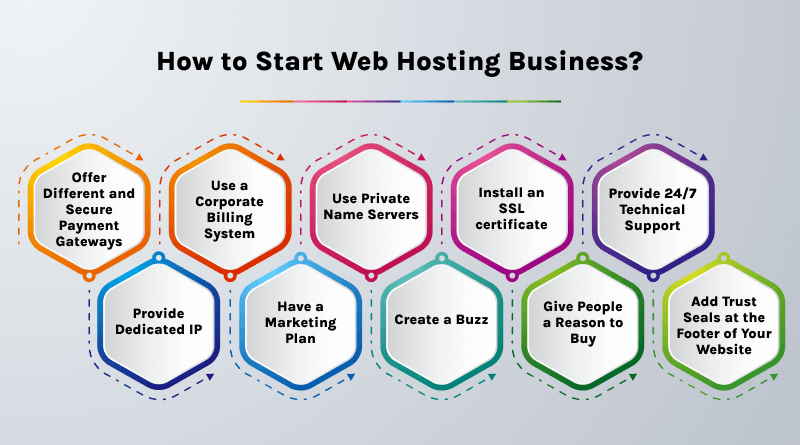
Credit: www.milesweb.in
Growth And Scaling
Keeping track of business numbers is vital. Check monthly sales. Review customer feedback regularly. Look at website traffic stats often. Use these to measure success. Adjust plans when needed. This helps improve services. Stay ahead of competitors. Regular checks make a big difference.
Offer more services to attract new clients. Consider adding cloud hosting options. Include domain registration services. Offer website builder tools. These additions can bring more customers. More services mean more revenue streams. It keeps your company growing strong.
Partnering with other companies can benefit you. Look for businesses that complement yours. Collaborate with web design firms. Work with software developers. These partnerships can bring mutual growth. Sharing resources is helpful. It opens doors to new markets. New customers will find you.
Frequently Asked Questions
How Do I Start My Own Web Hosting Business?
Start by researching the web hosting industry. Choose a reliable reseller hosting plan. Set up a professional website. Offer competitive pricing and excellent customer support. Promote your services using SEO and social media strategies.
How To Make Own Web Hosting?
Set up a server by installing Linux. Configure Apache or Nginx for web hosting. Secure your server with firewalls. Register a domain and link it to your server’s IP address. Regularly update software for security. Use control panels like cPanel for easier management.
Ensure reliable internet connection and backup solutions.
Is Web Hosting Profitable?
Web hosting can be profitable with effective management, quality service, and competitive pricing. Demand for online presence continues to grow, offering opportunities. Success depends on customer satisfaction, reliable infrastructure, and marketing strategies. Scaling operations and offering added services can enhance profitability.
Can I Be My Own Hosting Provider?
Yes, you can be your own hosting provider. Set up a server, manage security, and maintain hardware. Ensure a stable internet connection and technical expertise for success. It’s cost-effective but requires time and knowledge. Consider scalability and reliability for long-term growth.
Conclusion
Creating a web hosting company is rewarding. Start with thorough planning. Understand your target audience and their needs. Choose reliable technology. Focus on user-friendly services. Build a strong support team. Your brand’s reputation matters. Offer competitive pricing to attract clients.
Stay updated with industry trends. Marketing is crucial. Engage with your audience online. Listen to feedback and improve. Remember, success doesn’t happen overnight. Stay committed and patient. With persistence, you can build a successful web hosting business.


