
Are you tired of relying on third-party web hosting services and craving more control over your online space? Setting up your own Linux web hosting server might be the solution you’ve been searching for.
Imagine having the power to manage your websites, control your data, and customize your server environment to suit your specific needs. This guide is designed to take you through every step of the process, making it simple and achievable, even if you’re not a tech guru.
You’ll discover the essential tools and techniques to transform your computer into a fully-functioning web hosting server. By the end, you’ll have the knowledge to take your web presence into your own hands, offering you unprecedented flexibility and control. Ready to dive in and unlock the potential of your Linux server? Let’s get started!

Credit: en.wikipedia.org
Choosing The Right Linux Distribution
Ubuntu is easy to use and very popular. Many people choose it for servers. It has a big community. You can find help quickly. CentOS is stable and reliable. It is often used for business servers. It is free and open-source. Debian is another good choice. It is known for its stability. It is also very secure. Many people trust it for servers. Fedora is updated often. It has the latest features. It is great for developers. It is free to use.
Think about your needs. Do you need a stable server? Choose CentOS or Debian. Want easy updates? Fedora might be best. Check community support. Ubuntu has many users. Help is easy to find. Consider security. Debian is very secure. Plan for the future. Updates are important. Fedora updates often. Choose wisely for your needs. Each distribution has strengths.
Setting Up Hardware
A basic server needs a strong CPU. It helps in fast processing. At least 4 GB of RAM is necessary. This ensures smooth performance. You also need 500 GB of storage. It holds all your files. A reliable network card is important. It connects your server to the internet.
Using SSDs can boost the speed of your server. They read and write data faster. Increasing RAM can help run many tasks. It reduces lag. A good cooling system keeps the server cool. This stops overheating. Regularly update software. This keeps the server secure and fast.
Installing The Operating System
Choose a Linux version. Ubuntu or CentOS are good options. Download the ISO file from their website. Create a bootable USB drive. Use software like Rufus for this task. Insert the USB into the server. Restart and enter the BIOS menu. Set the USB as the first boot option. Save changes and exit BIOS. The installation process will begin.
Follow the on-screen instructions. Enter your preferred settings. Choose your language and time zone. Create a user account. Set a strong password. Wait for the installation to finish. Remove the USB drive when done. Reboot the server. Your Linux OS is now ready.
Decide how to split your hard drive. Separate partitions can improve performance. Create a partition for the root directory. Use ext4 for better stability. Another partition for swap space helps memory. Keep it double your RAM size. Optional: Create a home partition. Keeps user files safe.
Use a partition manager. GParted is a popular choice. Check your partitions before continuing. Make sure they are correctly formatted. Apply changes carefully. Now your server is ready for hosting.
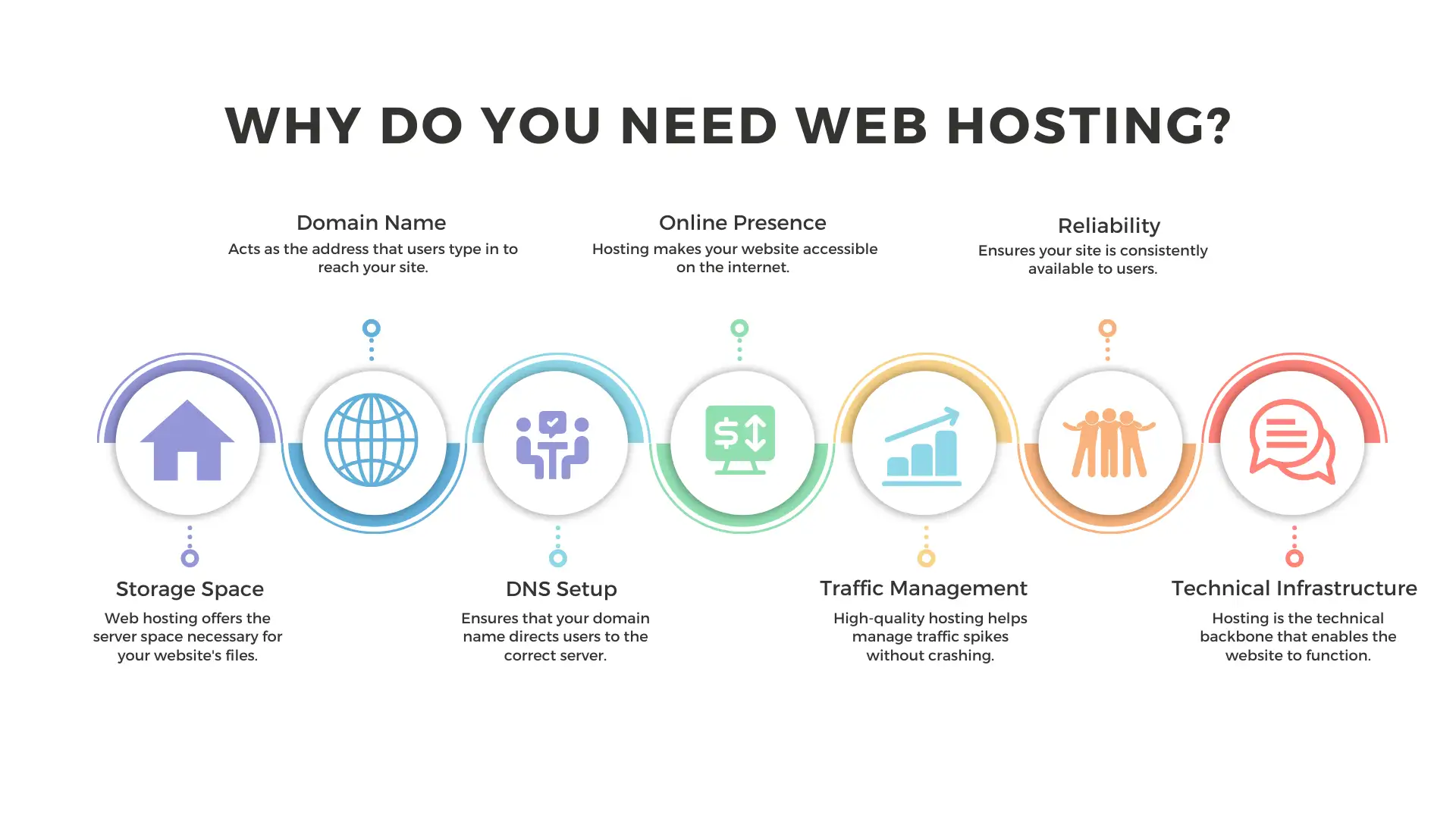
Credit: wegic.ai
Configuring Network Settings
Each device needs an IP address. This helps in identifying it. Use the command line to assign it. Type ifconfig and hit enter. Check the interface name. It might be eth0 or wlan0. Then type ifconfig eth0 192.168.1.10. Replace 192.168.1.10 with your desired IP. Make sure it is unique. Don’t use another device’s IP. Check your changes by typing ifconfig again.
DNS helps in finding websites. It translates domain names to IP addresses. Open the resolv.conf file. Use a text editor like nano. Type nano /etc/resolv.conf in the terminal. Add nameserver details. Type nameserver 8.8.8.8 to use Google’s DNS. Save the file and exit. This ensures your server can find websites. Test it by pinging a website. Type ping google.com and check the response.
Securing The Server
Setting up a firewall is important. It helps protect your server. Use tools like iptables or ufw. These tools control incoming and outgoing traffic. Make rules to allow only safe traffic. Block unwanted connections. Keep the rules simple. Always check your firewall settings. Update them often.
SSH is for secure access. Change the default port from 22 to another number. This reduces risks. Use strong passwords. Better yet, use key-based authentication. Keys are safer than passwords. Disable root login for extra safety. Always update your SSH settings. Check for security updates regularly.
Setting Up Web Hosting Software
Choose between Apache and Nginx for your web server. Apache is popular and easy to use. Many beginners start with it. Nginx is fast and handles many users well. Both have strong communities and support. Pick one that fits your needs.
First, update your system. Use simple commands for this. Next, install your chosen server. Type sudo apt install apache2 for Apache. For Nginx, type sudo apt install nginx. Follow the steps that appear. Check if the server is running. Type sudo systemctl status apache2 for Apache. For Nginx, use sudo systemctl status nginx. Ensure the server is active and working.
Managing Databases
Setting up your own Linux web hosting server offers control over managing databases. Linux servers provide flexibility and security. Ensure your server is properly configured for hosting.
Installing Mysql Or Postgresql
Setting up a database is vital for web hosting. MySQL and PostgreSQL are popular choices. Both are free and open-source. Choose one based on your needs. MySQL is widely used and simple to install. It is perfect for beginners. PostgreSQL offers advanced features. It is great for complex projects. To install, use your Linux terminal. Type simple commands to get started. Keep your database updated. Updates fix bugs and add new features. Always back up your database. Backups prevent data loss.
Database Security Best Practices
Database security is crucial. Secure your database with strong passwords. Use a mix of letters, numbers, and symbols. Change passwords often. Limit access to trusted users. Only allow necessary permissions. Regularly update your database software. Updates fix security holes. Monitor database activity. Look for unusual behavior. Always encrypt sensitive data. Encryption keeps data safe from hackers. Use a firewall to protect your server. Firewalls block unwanted access. Follow these steps to keep your database secure.

Credit: cyfuture.cloud
Configuring Email Services
SMTP helps send emails. Use it for outgoing mail. Install Postfix on your server. It is a popular choice. Configure Postfix with the correct settings. Set the hostname and domain name properly. This makes sure emails are sent correctly. Check the ports and make sure they are open. This allows emails to pass through. Test the SMTP service by sending a test email. This checks if everything works.
Webmail lets you see emails online. Use Roundcube for this. Install Roundcube on your server. Connect it with your email server. This lets you check emails in a browser. Set up the database for Roundcube. This stores user data. Configure the IMAP settings. This fetches emails from the server. Make sure the webmail interface is easy to use. This helps users check their emails easily.
Monitoring And Maintenance
Ensure your Linux web hosting server runs smoothly with regular monitoring. Keep software updated to prevent security risks. Always check for unusual activities and address issues promptly to maintain optimal performance.
Using Monitoring Tools
Monitoring tools help keep your server healthy. They check server status and performance. These tools alert you about any issues. Important data is always shown on your screen. This includes CPU usage, memory, and disk space. Keeping an eye on these helps prevent problems. Use tools like Nagios or Zabbix. They are popular and easy to use. You can set them up quickly. Keep your server running smoothly with these tools.
Regular Updates And Backups
Updates keep your server safe from threats. Software updates fix bugs and improve security. Always install updates as soon as possible. Backups are your safety net. They save your data from being lost. Regular backups ensure you can restore your server. Use tools like rsync or backup scripts. They make the process easy and quick. Set up automatic backups to save time. Protect your data and server with regular updates and backups.
Troubleshooting Common Issues
Setting up a Linux web hosting server can be tricky. Common issues include network configuration errors and software compatibility problems. Effective troubleshooting requires checking server logs and ensuring correct installation of necessary packages.
Network Problems
Network issues might arise due to incorrect IP settings. Check if the IP address is set correctly. Ensure your router is working. Restart the router for a fresh connection. Verify cables are plugged in properly. Use tools like Ping to test connectivity. Make sure firewalls are not blocking ports. Adjust firewall settings if necessary. Update network drivers if outdated. Sometimes, older drivers cause problems. Check for any software updates that might help.
Performance Bottlenecks
Performance can drop due to high CPU usage. Monitor CPU and RAM usage regularly. Check if any processes are consuming too many resources. Stop or restart heavy processes when needed. Ensure disk space is not full. Free up space by deleting unnecessary files. Optimize your server settings for better performance. Use tools like top and htop to see real-time usage. Make sure your server is well-ventilated. Overheating can slow down performance.
Frequently Asked Questions
How To Setup A Web Server In Linux?
Install Apache using the command: `sudo apt-get install apache2`. Start Apache with `sudo systemctl start apache2`. Verify by accessing http://localhost. Configure settings in `/etc/apache2`. Restart Apache to apply changes using `sudo systemctl restart apache2`. Make sure your firewall allows HTTP traffic.
How Much Does A Linux Server Cost?
Linux server costs vary widely, from free for open-source versions to hundreds of dollars for enterprise solutions. Prices depend on hardware, support, and licensing needs. Many choose affordable cloud-based options, reducing upfront expenses. Evaluate your requirements to determine the most cost-effective solution.
How To Create A Domain Server On Linux?
Install a Linux server OS and configure DNS software like BIND. Set up zone files and DNS records. Use system tools to manage services and ensure proper security configurations. Regularly update software for optimal performance.
Can I Create My Own Web Hosting?
Yes, you can create your own web hosting by setting up a server with the necessary software. Ensure you have a stable internet connection, server hardware, and technical skills. Consider security measures and regular maintenance for optimal performance. This allows full control over your hosting environment.
Conclusion
Building your own Linux web hosting server is rewarding. You gain control and flexibility. It might seem complex at first. But, step-by-step, it gets clearer. Start by learning the basics. Then, choose the right hardware. Install Linux. Configure your server properly.
Secure it to protect your data. Monitor your server regularly. Practice makes perfect. Mistakes teach valuable lessons. You save money and learn new skills. Enjoy the freedom of managing your own server. It empowers you in the tech world. Dive in and explore more.
Your journey in hosting begins now.


