
Are you ready to transform your passion for technology into a profitable venture? Setting up a web hosting business might be the perfect opportunity for you to dive into the thriving digital landscape.
Imagine creating a platform where individuals and businesses rely on your services to keep their websites running smoothly. You become the backbone of their online presence, and in return, your business grows and flourishes. In this guide, you’ll discover the essential steps to establish your very own web hosting business.
From selecting the right infrastructure to marketing your services effectively, we’ve got you covered. Whether you’re a tech enthusiast or an aspiring entrepreneur, this article will equip you with the knowledge to make informed decisions and succeed in this dynamic industry. Get ready to unlock the potential of your future business and take control of your digital destiny!
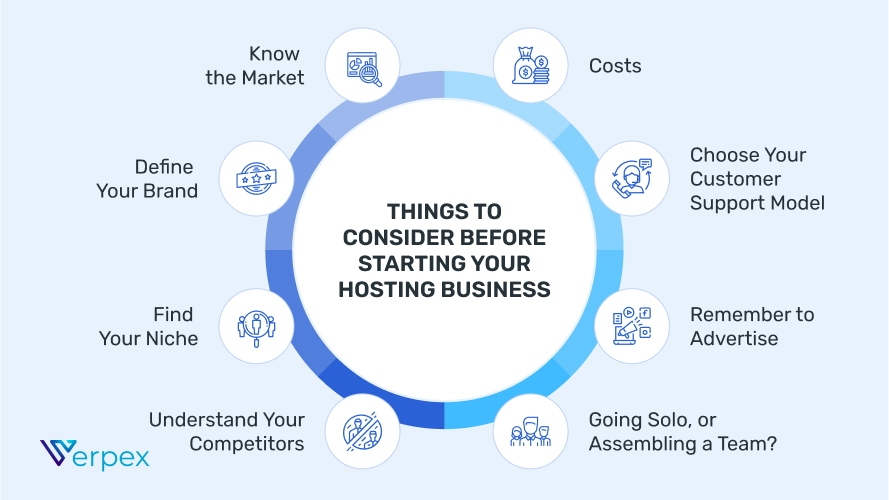
Credit: verpex.com
Market Research
Find people who need hosting. Focus on small businesses and bloggers. New websites need hosting. E-commerce sites need it too. Ask what they need. Know their budget. Understand their technical skills. Offer what they want.
Look at other hosting companies. Check their services and prices. See who their customers are. Find their strengths. Spot their weaknesses. Learn from their mistakes. Offer better features and support. Stand out in the market.
Set prices wisely. Compare with others. Keep affordable rates. Offer discounts for long-term plans. Provide value for money. Reward loyal customers. Consider seasonal offers. Make pricing simple. Avoid hidden fees.
Business Plan Creation
Set clear goals for your web hosting business. Think about what you want to achieve. Are you aiming to support small businesses? Or maybe you want to offer premium hosting services? Your goals should guide your actions and decisions. Write them down clearly. These goals will help you stay on track.
List all the services you plan to offer. Start with basic hosting plans. Then add extras like email hosting or website builder tools. Make sure to describe each service clearly. This helps customers understand what they get. Keep it simple so everyone can understand.
Estimate your costs and earnings. Think about how much you will charge. Consider your expenses like servers and software. Make a simple table to compare costs and profits. This helps you plan for the future and ensure your business can grow.
Legal And Regulatory Compliance
Starting a web hosting business requires proper business registration. Choose a business name that is unique. This helps you stand out. Register your business with the local authorities. Get an Employer Identification Number (EIN) if you are in the USA. This is necessary for tax purposes.
Every country has different hosting regulations. You need to know these rules. This ensures your business is legal. Research the laws in your area. This helps avoid any legal issues. Following the rules keeps your business safe.
You may need specific licenses to run a hosting business. Check what licenses are required. Apply for these licenses early. This process can take time. Holding the right licenses keeps your business legitimate. It builds trust with your clients.
Technical Infrastructure
Picking the right servers is key. Reliable servers mean happy customers. Look for servers with high uptime. This means they rarely go down. Good servers also handle many users. Fast servers keep websites loading quickly. This makes users happy. Speed and reliability are important.
Security keeps data safe. Use strong passwords and change them often. Firewalls help block bad traffic. SSL certificates encrypt data. This keeps information private. Always update software. Updates fix holes in security. Protecting data is a big deal.
Backups save information. Regular backups mean no lost data. Store copies in different places. Cloud backups are a good idea. They keep data safe from disasters. Backups give peace of mind. If something breaks, data can be restored.
Partnerships And Vendor Selection
Choose a data center close to your main customers. This helps with faster loading times. Ensure the data center has strong security measures. Look for centers with backup power and cooling systems. These features keep your servers running smoothly. A good data center should also have 24/7 support. This ensures help is available anytime.
Find software providers that fit your needs. Check if they offer easy-to-use tools. Look for features that help manage websites efficiently. Good software makes your job easier. Talk to the providers and ask about support. Choose ones that offer help when you need it.
Discuss with Internet Service Providers for good deals. Check their speed and reliability. Faster internet means better service for your clients. Ask about downtime policies. Less downtime is better for business. Make sure they offer a fair price. Good deals save money and improve your profit.
Website And Branding
Create a simple, easy-to-use website. Navigation should be clear. Use bold headings and buttons. Colors must be pleasing. Make sure it works on phones and computers. Fast loading is key. People like quick sites.
Choose a name that is easy to say. Logo should be unique. Your colors should match your logo. Voice matters too. Write in a way that shows your style. People should feel your brand. Consistent is vital.
Design flyers and brochures. Use simple words and clear images. Make posters easy to read. Include contact information. Business cards are small but important. Keep them simple. Make sure everything matches your brand.
Customer Support Setup
Setting up customer support for a web hosting business involves establishing a reliable help desk. Ensure quick response times to customer queries. Offer multiple communication channels like email, chat, and phone support. Train your team to handle technical issues efficiently and build a knowledge base for common questions.
Establish Support Channels
Setting up support channels is key for web hosting. Customers need help fast. Use email and live chat for instant support. Phone support is great for urgent issues. A help center on your website is helpful. Use FAQs to answer common questions. Social media can also be a support channel. Make sure all channels are easy to find.
Hire And Train Support Staff
Staff are important for customer support. Hire people who are patient and polite. Training is crucial. Teach staff about your services. Make sure they know how to fix issues. Use role-play to practice customer interactions. Continuous training helps improve skills. Happy customers mean a successful business.
Implement A Ticketing System
A ticketing system keeps support organized. It tracks customer requests. Each ticket shows the issue and status. Staff can manage tickets easily. Customers get updates on their issues. This helps solve problems faster. Choose a system that fits your business size. A good system makes support smooth and efficient.

Credit: verpex.com
Marketing And Promotion
SEO helps your website show up in search results. Use keywords related to web hosting. This helps people find your business. Make sure your website loads fast. Search engines like fast websites. Also, write clear and useful content. This keeps visitors on your site.
Social media is a great place to talk about your business. Share posts about your services. Use pictures and short videos. Talk with your followers. Answer their questions. This makes them feel special. It also helps more people learn about your business.
Discounts attract new customers. Offer a special price for the first month. Or give a discount for a yearly plan. This makes your service appealing. People love to save money. They might choose your service over others.
Monitoring And Maintenance
Regular monitoring and maintenance keep your web hosting business running smoothly. Identify issues early to prevent downtime. Ensure updates are timely for security and performance.
Regularly Update Software
Software updates are very important. They keep your system safe and fast. Always check for new updates. Install them as soon as they are available. This helps in fixing bugs and improving security. Keeping your software up to date is like locking your door at night. It protects your business from unwanted problems.
Monitor Server Performance
Server performance affects your business. Slow servers can make users unhappy. Use tools to watch server performance. These tools show if servers are working well. Look for any issues like slow speed or downtime. Fix issues quickly to keep users happy. A well-performing server is like a smooth-running car. It gets you where you need to go without any trouble.
Implement Feedback Mechanisms
Feedback is important for improvement. Set up ways for users to give feedback. This can be through forms or emails. Listen to what users say. Make changes based on their feedback. This helps in making services better. Happy users will keep coming back. Feedback is like a guide. It shows you the right path to take.

Credit: www.inmotionhosting.com
Scaling And Growth
Building a web hosting business requires careful planning and strategic decisions. Start by researching market trends and identifying target audiences. Ensure reliable infrastructure and offer competitive pricing to attract clients.
Evaluate Expansion Opportunities
Growing a web hosting business requires smart planning. Look for new markets. Focus on regions with rising internet users. Identify potential partners to boost your reach. Study competitor strategies. Understand customer needs in different areas. This helps in making wise decisions. Expand step-by-step to avoid risks.
Enhance Service Offerings
Offer more services to attract clients. Consider adding cloud hosting. It is popular. Add security features like SSL certificates. Improve customer support. Provide 24/7 assistance. Offer easy-to-use control panels. Ensure fast loading times. Regular updates keep services fresh. Listen to feedback. Adjust offers based on client needs.
Invest In Advanced Technologies
Technology changes fast. Stay ahead by adopting new tools. Use high-speed servers for better performance. Implement AI for smart support solutions. Automate routine tasks for efficiency. Invest in cybersecurity. Protect client data from threats. Regularly upgrade hardware and software. This ensures reliability. Clients trust businesses with the latest tech.
Frequently Asked Questions
How Do You Start Your Own Web Hosting Company?
Begin by researching the web hosting industry thoroughly. Choose reliable server providers and set competitive pricing. Develop a user-friendly website, and offer excellent customer support. Obtain necessary licenses and ensure strong security measures. Focus on marketing strategies to attract clients and grow your business.
Are Web Hosting Companies Profitable?
Web hosting companies are often profitable due to rising internet demand. They generate revenue through subscription fees and additional services. Success depends on market competition, pricing strategy, and service quality. Reliable hosting attracts more customers, boosting profitability. Efficient operations and strong customer support enhance business growth and sustainability.
How Do I Get Started With Web Hosting?
Choose a reliable web hosting provider with good reviews. Select a suitable hosting plan for your needs. Register a domain name if you don’t have one. Set up your website using the hosting provider’s control panel. Ensure your site is secure and optimized for performance.
How Much Money Do You Need To Host A Website?
The cost to host a website can range from $3 to $300 per month. Shared hosting is cheaper, while dedicated hosting is pricier. Factors like bandwidth, storage, and additional features influence costs. Budget-friendly options are available for small websites, while large sites may need more investment.
Conclusion
Starting a web hosting business is a rewarding journey. You need careful planning and dedication. Focus on quality service for your clients. Understand their needs and offer reliable solutions. Strong customer support builds trust and loyalty. Keep learning about new technologies.
Stay updated with industry trends. This helps you stay competitive. Remember, success takes time and effort. Patience and persistence are key. Grow your business step by step. Celebrate small victories along the way. Your hosting business can thrive with the right approach.
Aim for excellence every day. Your hard work will pay off.


