
Imagine owning a business that powers the online presence of countless companies and individuals. As you ponder how to start up a web hosting company, you’re stepping into a realm filled with opportunity and potential for growth.
Whether you’re a tech enthusiast or an entrepreneur seeking a lucrative venture, starting a web hosting company can be your gateway to success. But how do you transform this idea into a thriving business? You might feel overwhelmed by the technicalities and competitive landscape, but don’t worry—this guide will simplify the process and help you navigate the essentials.
You’ll discover the key steps to set up your web hosting company, from understanding the market and choosing the right infrastructure to crafting compelling services that attract clients. By the end of this article, you will have a clear roadmap to confidently launch your web hosting business. Let’s dive in and turn your vision into reality!

Credit: www.hostinger.com
Market Research And Analysis
Identify your target audience by learning who needs web hosting. Small businesses, bloggers, and online stores often need these services. Understand their needs and wants. Find out what problems they face. Your service should solve these problems.
Analyze your competitors to know what they offer. Check their prices and customer reviews. Find out what makes them popular. See where they lack. This helps you create better services.
Assess industry trends to keep up with changes. Cloud hosting and green hosting are popular now. Keep an eye on new technologies. This keeps your company modern and attractive.
Business Planning Essentials
Starting a web hosting company involves careful planning and research. Determine your target market and analyze competitors to identify gaps. Develop a comprehensive business plan outlining services, pricing, and marketing strategies.
Define Business Goals
Setting clear goals is crucial. Know what success looks like for your company. Goals should be specific and measurable. Short-term and long-term goals help guide decisions. They also help track progress.
Develop A Business Model
Choose a model that fits your vision. Decide on services you will offer. Shared hosting or dedicated servers? Consider pricing strategies. Competitive pricing attracts customers. Look at industry trends. Adapt your model as needed.
Budgeting And Financial Projections
Plan your budget wisely. Estimate start-up costs. Include equipment and marketing expenses. Project revenue for the first year. Forecast expenses monthly. Keep track of cash flow. Adjust projections as your business grows.
Legal And Regulatory Requirements
Choosing the right business structure is key. Many choose between LLC, Sole Proprietorship, or Corporation. Each has its pros and cons. Consider taxes, liability, and control.
Register your business with the local authorities. This step makes your company official. You get a business license. This helps in gaining trust.
Understanding hosting laws and regulations is vital. These laws protect both you and your clients. Comply with data protection laws. It keeps customer data safe. Research is essential. Stay updated as laws change often.
Infrastructure And Technology Setup
Choosing the right servers is crucial. Reliable servers keep websites running smoothly. Look for servers with high uptime guarantees. This means they are rarely down. Fast servers make websites load quickly. This keeps users happy. Make sure your servers can handle traffic. More traffic means more visitors. Check the server’s support options. Good support solves problems fast.
Hosting software helps manage websites. Choose software that’s easy to use. Many people like cPanel or Plesk. These are popular choices. They make tasks simple. Ensure the software is compatible with your servers. It should also support various website scripts. This allows for flexibility. Regular updates keep software secure. Updates also add new features.
Security is very important. Start with firewalls to block bad traffic. Use SSL certificates for safe data transfer. These protect sensitive information. Install antivirus software to catch threats early. Regularly update all software. This fixes security holes. Back up data often. Backups help recover lost information. Educate users on security practices. Safe habits prevent many issues.
Developing Service Offerings
Create simple hosting plans. Start with basic, intermediate, and advanced packages. Each package should offer more resources. This includes disk space, bandwidth, and email accounts. Make sure clients can easily understand each plan. Use clear language and avoid jargon. Highlight features that matter most. Keep everything straightforward. Make comparisons easy.
Pricing is crucial. Analyze competitors. Find out what they charge. Offer competitive rates. Ensure prices cover costs. Provide value without being too expensive. Consider discounts for longer commitments. Monthly, yearly, or biennial payments can be options. Clients appreciate flexibility. Keep pricing transparent. Avoid hidden fees. This builds trust.
Offer extra services. These make your packages more attractive. Include SSL certificates, daily backups, and site builders. These features enhance user experience. Make them easily accessible. Promote security and ease of use. Provide expert technical support. Clients need assistance when issues arise. Ensure support is reliable and quick. Happy clients recommend services.
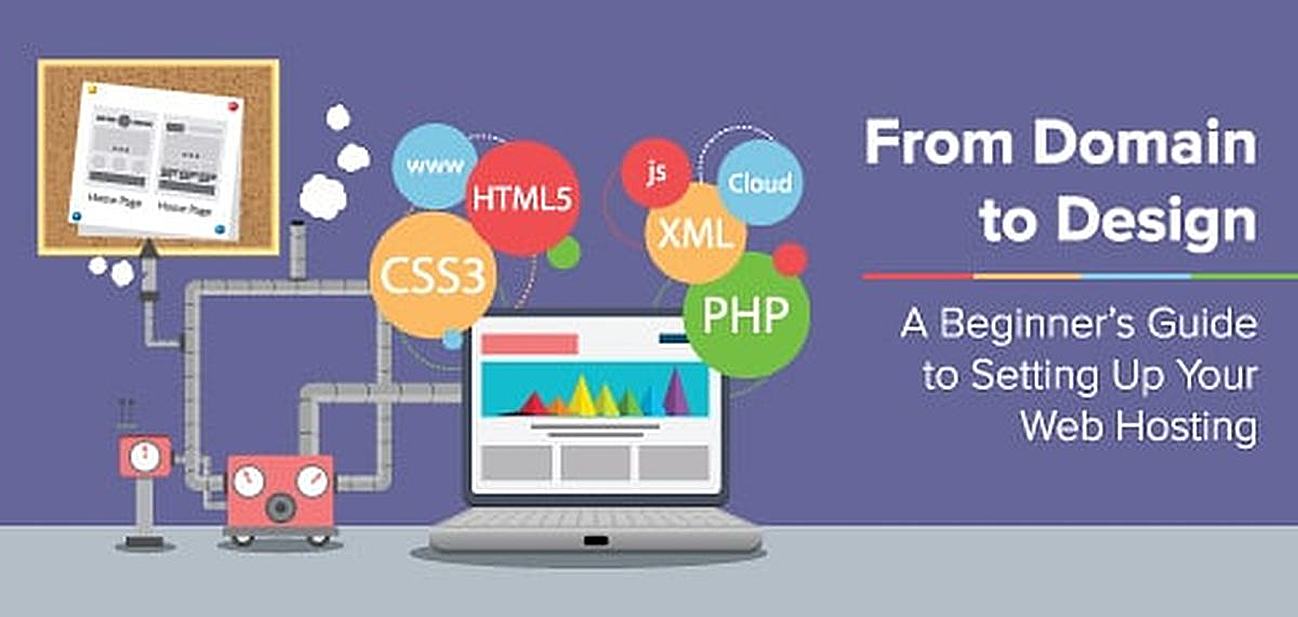
Credit: www.hostingadvice.com
Building A Brand Identity
A good brand name is very important. It should be short and easy to say. This helps people remember it. Think of words that show what your company does. Mix these words to make something new and special. Check online to make sure no one else uses it. This ensures your brand stands out.
A logo is like your company’s face. It should be simple and clear. Use colors that look nice together. These colors should also show your brand’s feelings. Use the same colors and style on all your company’s things. This makes your brand look the same everywhere.
The brand message tells people what your company is about. It should be clear and easy to understand. It talks about what makes your company different. Share how you help people and why they should choose you. This message helps build trust with customers.
Marketing And Promotion Strategies
Starting a web hosting company requires effective marketing strategies. Focus on creating a strong online presence and offering competitive pricing. Engage potential customers through social media and informative content to build trust and brand awareness.
Digital Marketing Techniques
Start with social media ads. They reach many people. Use Google Ads to show up in searches. Write blogs about web hosting. Share tips and news. Email newsletters keep people interested. Update them regularly. SEO helps your site rank better. Use keywords wisely. Track results with analytics tools. Improve your strategies based on data.
Networking And Partnerships
Join industry forums. Connect with other hosts. Learn from each other. Attend web hosting events. Meet new friends. Share ideas. Partner with tech companies. Offer special deals together. Collaborate on projects. Build trust with clients. Your network helps you grow. Always be open to new partnerships.
Customer Retention Methods
Offer excellent customer service. Reply quickly. Solve problems fast. Reward loyal customers. Give them discounts or special offers. Make your services easy to use. Provide helpful guides. Ask for feedback. Improve based on their thoughts. Keep the website updated. Make sure it’s fast and secure. Happy customers stay longer.

Credit: www.hostinger.com
Customer Support And Service
To help customers, create different support channels. Use email, phone, and live chat. These channels help people get answers fast. Make sure staff are ready to assist 24/7. Happy customers stay longer.
Develop FAQ and Help Resources. Write clear answers for common questions. FAQs save time for everyone. Place them on your website. Help guides explain steps with pictures. Customers learn easily this way.
Feedback is important. Implement feedback systems for improvement. Customers can share their thoughts. Use surveys or forms online. Feedback helps improve services. Listen to customers and make changes. They feel valued and heard.
Growth And Expansion Plans
Creating a web hosting company involves planning for growth and expansion. Start small and invest in reliable servers. Focus on excellent customer service to build trust. Gradually expand your offerings as your client base grows.
Scaling Infrastructure
To grow, a web hosting company needs strong infrastructure. Start by upgrading servers. More servers mean faster sites. Fast sites make users happy. Also, use cloud storage. It helps store more data. Cloud storage is flexible. It grows with your needs. Network upgrades are key too. A good network handles more users.
Exploring New Markets
New markets bring more customers. Look for areas with less competition. Research places with growing businesses. These places need web hosting. Offer services in different languages. This attracts more people. Local partnerships can help too. They know the market well. Learn about local laws and rules. It’s important for smooth business.
Adapting To Technological Changes
Technology changes quickly. Stay updated with new tools. Use the latest software for better service. Offer new features like SSL certificates. They keep websites secure. Also, provide easy-to-use control panels. Customers like simple tools. Train your team regularly. Skilled teams handle tech changes well.
Frequently Asked Questions
Are Web Hosting Companies Profitable?
Web hosting companies can be profitable due to high demand for online services. They earn through subscription fees, offering value-added services, and efficient infrastructure management. Success depends on competitive pricing, reliable services, and strong marketing strategies. Profitability varies across companies based on their scale and customer base.
How Do I Get Started With Web Hosting?
Choose a reliable web hosting provider. Register your domain name. Select a hosting plan that suits your needs. Set up your website using a content management system like WordPress. Ensure your website is secure and optimized for performance.
How To Make Own Web Hosting?
Start by acquiring a server and installing server software like Apache or Nginx. Configure DNS settings for domain pointing. Set up FTP for file transfers. Ensure security with firewalls and regular updates. Monitor performance and backups regularly for smooth operation.
What Are The Three Types Of Web Hosting?
The three types of web hosting are shared, VPS, and dedicated hosting. Shared hosting is cost-effective and best for beginners. VPS hosting offers more resources and flexibility. Dedicated hosting provides exclusive server use, ideal for high-traffic websites. Each type suits different needs and budgets.
Conclusion
Starting a web hosting company takes dedication and planning. Focus on customer needs. Always prioritize reliable service and support. Choose scalable solutions for growth. Keep your website secure and fast. Build a strong team with shared values. Maintain transparency with clients.
Adapt to market changes swiftly. Invest in marketing strategies that resonate. Stay committed to continuous improvement. Success comes with patience and persistence. Keep learning and evolving every day. Your hosting business journey begins now. Embrace the challenges. Enjoy the rewards.


