
Starting a blog can be a thrilling venture, especially in a vibrant and growing digital landscape like Nigeria. Imagine sharing your ideas, passions, or business insights with the world, right from the comfort of your home.
But where do you begin? You might feel overwhelmed with questions about web hosting, design, and content. The good news is, you’re not alone, and the answers are simpler than you think. In this guide, you will learn the essential steps to kickstart your blogging journey using Nigeria web hosting services.
Discover how to choose the right platform, set up your site, and make it stand out in the crowded online space. You’ll find practical tips, expert advice, and all the tools you need to turn your vision into reality. Get ready to dive into the world of blogging and unlock the potential of your creativity. Your blog awaits—let’s make it happen!
Choosing The Right Blogging Platform
Picking the best platform is a big step. WordPress is very popular. It is easy to use. Many people start with it. Blogger is another option. It is free and simple. Some people like Wix. It has many cool designs. You can drag and drop things. This makes it fun. Squarespace is also good. It has many styles. Each platform has its own tools. Some are better for beginners. Others are for experts. Think about what you need. Cost is important too. Some platforms are free. Others cost money. Check if they have support. Support helps when you have questions. Choose a platform that fits you.
Selecting A Domain Name
Choosing a domain name is an important step. It should be short and easy to spell. This makes it easy to remember. A good domain name reflects your blog’s topic. Avoid using numbers or special characters. They can be confusing.
Check if the domain name is available. Use domain search tools online for this. A unique name is best. It helps your blog stand out. Also, consider using a .com domain. It’s more common and trusted by many users.
Understanding Web Hosting Basics
Web hosting is where your website lives. It is like a house for your blog. A good host makes your blog fast. Fast blogs make readers happy. Slow blogs make readers leave.
Servers store your blog’s files. These files include text and pictures. The host must keep your blog safe. Safety is important to keep your data secure. Choose a host that protects well.
Bandwidth is like a road. It carries data to readers. More bandwidth means more readers can visit. Choose a host that offers enough bandwidth. This helps your blog grow.

Credit: m.facebook.com
Top Nigerian Web Hosting Providers
Choosing the right web host is key. Look for reliable uptime. This ensures your blog stays online. Speed is important too. Fast websites make users happy. Don’t forget about security. Protect your blog from hackers.
Web hosts offer different prices. Some are cheap, others cost more. Check what you get for the money. Look for unlimited storage and bandwidth. Some hosts offer free domains. Compare packages before you decide.
Good support is a must. Problems can happen anytime. 24/7 customer service is ideal. Look for hosts with chat or phone help. It’s good if they respond quickly. Happy customers often mean good support.
Setting Up Your Blog Hosting
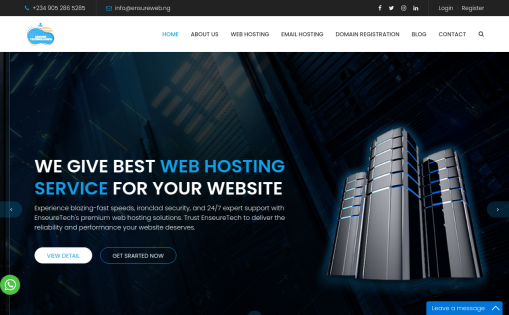
Pick a name for your blog. It should be simple and unique. Use a domain registrar. Enter your chosen name. Check if it’s available. If not, try another name. Register your domain when available. Pay the fee to complete registration. Keep your domain details safe.
Select a hosting provider. Choose a plan that fits your needs. Access the control panel. Set up your domain on the server. Adjust settings like email and security. Monitor storage and bandwidth. Keep login details secure.
Choose a blogging platform. Popular options include WordPress or Blogger. Download the software from the website. Follow installation instructions carefully. Set up themes and plugins. Customize your blog’s look. Start writing and sharing your content.
Credit: www.hostsearch.com
Designing Your Blog
Picking a blog theme is fun. A good theme makes your blog look nice. Choose a theme that is simple and clean. It should also be easy to use. Some themes cost money. Others are free. Pick what you like best. Make sure your theme works well on phones and computers.
You can change how your blog looks. Move things around. Make your blog unique. Add a logo or special colors. Try different font styles. Use your own pictures. Make sure your blog is easy to read. People should find what they need fast.
Plugins help your blog do more. Install plugins for security. Use plugins for speed. Add plugins for SEO. Some plugins help with social media sharing. Others help you see how many people visit. Only use the plugins you need. Too many can slow down your blog.
Creating Quality Content
Choosing a niche is like picking a favorite subject. It must be interesting to you. Consider what you enjoy most. This could be cooking, travel, or technology. A niche helps focus your blog. It attracts readers who like the same topics. Understanding your audience is key. Think about what they need. What problems can you solve for them? Your blog becomes more valuable this way.
Planning is like making a map. It guides your writing. Start with a list of topics. These are ideas for your posts. Organize them in a calendar. This helps keep track of what you write. Include special days or events. They might inspire a blog post. Planning saves time. It helps create regular content. Readers like blogs that update often.
Engaging posts keep readers interested. Use simple words. Short sentences are best. Tell stories or share experiences. Readers like personal touches. Ask questions to make them think. Include pictures or videos. They break up text. Visuals make your blog lively. Always check your work. Correct mistakes before publishing. Good writing builds trust with your audience. It encourages them to return.
Credit: truehost.com.ng
Promoting Your Blog
Social media is a great place for your blog. Share posts on different platforms. Engage with your audience. Respond to comments quickly. Use images and videos to attract attention. Consistency is important. Post regularly to keep followers interested. Join groups related to your niche. Learn from others and share your thoughts.
SEO helps your blog appear in search results. Use keywords wisely. Write clear and easy-to-read content. Headlines should be catchy and relevant. Use meta tags for better visibility. Link to other posts in your blog. Improve site speed and mobile experience. Search engines like fast websites. Analyze your progress and adjust.
Connect with bloggers in your field. Share their posts, and they might share yours. Comment on their blogs. Be helpful and genuine. Attend meetups and online events. Collaborate on projects or guest posts. This builds relationships and your blog’s reputation. Learn from their experiences. Support each other and grow together.
Monetizing Your Blog
Earn money by sharing products. Sign up for affiliate programs. Share links on your blog. When someone buys, you get paid. It’s like getting a small thank you for sharing.
Companies pay you to write about them. They want your readers to see their products. You write honest reviews. They give you money or products. It’s a way to earn and keep your blog exciting.
Join networks like Google AdSense. Place ads on your blog. Earn money when people see or click. It’s simple and works for most bloggers. Ads should match your blog’s topic. This way, readers find them useful.
Frequently Asked Questions
How Much Does It Cost To Start A Blog In Nigeria?
Starting a blog in Nigeria costs between ₦5,000 to ₦20,000 for domain and hosting. Costs vary by provider.
How To Start Blogging In Nigeria?
Choose a niche, register a domain, and select a blogging platform. Create engaging content regularly. Promote your blog through social media and SEO strategies. Monetize with ads, affiliate marketing, or sponsored posts.
How Much Do Bloggers Earn In Nigeria?
Bloggers in Nigeria earn between $100 to over $5,000 monthly. Earnings depend on niche, audience, and monetization strategies. Popular bloggers can earn significantly more through advertising, sponsored posts, and affiliate marketing. Consistent content and audience engagement are key to increasing income.
Which Hosting Is Best For Blogging?
The best hosting for blogging includes Bluehost, SiteGround, and HostGator. These providers offer reliability and excellent support. They ensure fast loading speeds and high uptime. Choose based on your specific needs and budget for optimal performance.
Conclusion
Starting a blog in Nigeria is an exciting journey. Choose the right web hosting. It matters for your blog’s success. Reliable hosting boosts speed and security. Look for affordable and trusted options. Plan your content carefully. Keep your audience engaged with fresh ideas.
Regular updates attract more readers. Stay consistent with your posting schedule. This builds trust and reliability. Engage with your readers through comments. Listen to feedback and adapt. Blogging is about sharing and connecting. Keep learning and improving your skills. Your blog can grow and succeed in Nigeria’s digital space.
Happy blogging!


