
Imagine launching your own web hosting company, providing the digital infrastructure that countless websites rely on daily. The question that might be buzzing in your mind is: how much does it cost to make this dream a reality?
If you’re curious about diving into this lucrative business, you’re in the right place. Understanding the financial requirements is crucial before you take the leap. You’ll uncover the key expenses involved in setting up a web hosting company, helping you make informed decisions.
From hardware investments to software licenses and marketing strategies, we’ll guide you through the essential elements that determine the overall cost. Stay with us, as we reveal the roadmap to your successful web hosting venture.

Credit: www.hostinger.com
Market Research
Web hosting is growing fast. Many businesses need online space. Trends show more demand for cloud hosting. This type is flexible and cost-effective. Green hosting is popular too. It uses eco-friendly methods. People care about the environment. Data security is another trend. Companies want safe servers. They protect their client’s data. Keep an eye on these trends.
Check what others offer. Look at their prices and services. Some focus on small businesses. Others target large companies. Compare their features. Do they have 24/7 support? Is their uptime good? Find their weaknesses. This helps in making your plan. Be better than them. Offer something unique.
Know your customers. Are they small firms or big ones? Do they need basic plans or advanced? Understand their needs. Some want cheap hosting. Others need fast and reliable servers. Listen to feedback. This helps in making good offers. Build trust with your audience. Give them what they want.
Business Planning
Choose a business model that fits your goals. Options include shared hosting, VPS, and dedicated servers. Each model has its own benefits. Shared hosting is cheaper. VPS offers more control. Dedicated servers provide full resources.
Revenue streams are important for growth. You can earn from monthly subscriptions. Add setup fees for custom services. Consider offering add-ons like extra storage or security. These boost your income.
Set a pricing strategy that attracts customers. Keep it simple and clear. Compare with competitors. Offer different pricing tiers. This way, users can choose what suits them. Promotions and discounts can help attract new clients.
Initial Costs
Building a web hosting company needs strong infrastructure investment. You need fast servers. These are computers that store websites. Also, consider network equipment. This keeps connections strong and fast. Don’t forget security systems. They protect data from bad people. Costs can add up quickly. Make a list and plan wisely.
Software and licensing are key parts. Web hosting needs special programs. These programs help manage websites. You need licenses for these. They ensure legal use. Budget for control panels. These make site management easy. Costs vary by brand and features. Choose what fits your needs best.
Marketing and branding are important. They help people find your company. Start with a good logo. It should be simple and memorable. Create a nice website. It shows what you offer. Use online ads to reach more people. Plan a budget for these activities. They help grow your business.

Credit: www.geeksforgeeks.org
Operational Expenses
Building a web hosting company involves hiring skilled staff. Technical experts are crucial to ensure servers run smoothly. They handle problems quickly. Customer service reps help clients with questions. They should be friendly and patient. Marketing staff promote your company. They attract new customers. Salaries and benefits for staff add to expenses. Training is also needed. It helps staff stay updated with the latest technology.
Excellent customer support is vital for a hosting company. 24/7 support is expected by most clients. It means being ready to help day or night. Phone, email, and chat are common support methods. Fast response times keep clients happy. Support costs include salaries and software. Training for support staff is important. It improves their ability to help customers effectively.
Servers need regular maintenance to stay reliable. Upgrades improve speed and security. They keep your services competitive. Maintenance involves checking hardware and software. It prevents breakdowns and data loss. Upgrades can be costly but necessary. They include new software versions and hardware improvements. Regular checks ensure everything runs smoothly. This protects client data and boosts trust.
Legal And Regulatory Considerations
Every web hosting company needs licenses and permits. These are important for legal operations. Local governments might have different rules. Always check what is needed in your area. Missing a license can cause big problems. They may include fines or closures. Your business could be stopped. Always keep your licenses updated. Make sure you have all necessary permits.
Data protection laws are very important. They keep customer information safe. These laws vary by location. Understand the laws in your region. Encrypt sensitive data. Protect user privacy. Violating these laws can lead to penalties. Customers need to trust you. Always follow data rules. This keeps your company safe.
A clear contract is essential. It explains what you offer. Terms of service should be simple. Customers should understand their rights. Define what happens if rules are broken. Ensure terms protect your business. Include payment details and service limits. Always review and update contracts. This ensures clarity and trust.
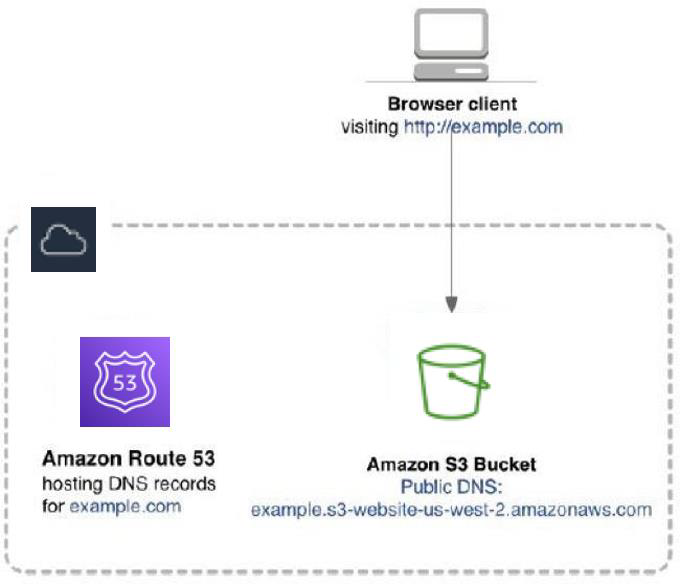
Credit: docs.aws.amazon.com
Funding Options
Starting a web hosting company requires thoughtful financial planning. Costs include server setup, software licenses, and marketing. Securing funding can help manage these expenses effectively, ensuring a smoother launch.
Self-funding
Starting with personal savings is a common choice. It gives full control. No need for outside influence. Use funds wisely. Budget is key. Many rely on family support. This option avoids debt. Risks exist, but rewards can be great.
Investor Opportunities
Seeking investors can bring big funds. They often seek returns. Share company vision with them. Present clear plans. Build trust. Investors provide guidance. They connect with other business minds. Be prepared to share profits. They can push for faster growth.
Loans And Grants
Banks offer loans for businesses. Repayment terms vary. Interest rates apply. Grants are another path. They don’t need repayment. Grants are often limited. Check eligibility criteria. Apply early. Government programs can help. They support new ventures. Understand all terms.
Growth And Scaling
Expanding into new markets is key for growth. Research is crucial. Know what your customers need. Identify gaps in the market. Offer services that others don’t. Pricing matters. Keep it competitive. Advertising helps. Reach out to potential customers. Use online platforms. Feedback is vital. Listen to your clients. Make changes when needed.
Upgrading technology is essential for scaling. Keep servers fast and reliable. Invest in new hardware. Software should be up-to-date. Security is a must. Protect client data. Automation saves time. Use it for routine tasks. Monitoring tools help. They ensure everything runs smoothly. Regular checks prevent issues.
Collaborating with others can boost your business. Find partners who share your goals. Work together on projects. Share resources and knowledge. Networking is key. Attend industry events. Meet new people. Joint ventures can be beneficial. They offer new opportunities. Trust is important. Build strong relationships.
Risk Management
Strong security measures protect your web hosting company. Use firewalls and encryption. They keep data safe from hackers. Regular security audits find weak spots. Fix them quickly. Train staff on cybersecurity practices. They must recognize threats early. Always update software. This prevents vulnerabilities.
Backups are essential. They save important data. Use cloud storage for backups. It’s safe and reliable. Have a disaster recovery plan. It guides actions during crises. Test this plan regularly. Ensure it works well. Quick recovery minimizes downtime. Your customers will appreciate it.
Insurance offers protection. Choose policies that cover data breaches. They can be costly. Liability insurance is crucial. It covers legal fees. Equipment insurance helps too. It protects servers from damage. Review insurance yearly. Make sure coverage fits your needs.
Frequently Asked Questions
How Do You Start Your Own Web Hosting Company?
Start by researching the market and choosing a niche. Invest in reliable server hardware and software. Create a user-friendly website with competitive pricing. Implement effective marketing strategies to attract customers. Ensure excellent customer support for retention and growth.
How Much Does It Cost For A Company To Build A Website?
Building a company website costs between $1,000 to $10,000, depending on design, functionality, and features. Custom websites can exceed $10,000. Domain and hosting add extra expenses. Prices vary based on developer expertise and location. Always get multiple quotes for accurate budgeting.
Is Web Hosting Reseller Profitable?
Yes, web hosting reseller can be profitable. Success depends on effective marketing, competitive pricing, and reliable services. Building a strong customer base enhances profitability. Choose a trusted hosting provider and tailor packages to meet customer needs. Focus on exceptional support to boost customer satisfaction and retention.
How Much Should I Pay Someone To Host My Website?
Website hosting costs range from $3 to $300 monthly. Pricing depends on factors like storage, bandwidth, and support. Shared hosting is affordable, while dedicated servers are pricier. Evaluate your needs and budget for best results. Compare providers for competitive rates and features to suit your business goals.
Conclusion
Building a web hosting company requires careful planning and budgeting. Start by assessing initial costs. Equipment, software, and marketing are key expenses. Each decision impacts your total investment. Understand market trends to make informed choices. Keep an eye on competitors.
Seek advice from industry experts. Small steps lead to big results. Stay focused and patient. Success takes time and effort. Balance quality and price to attract customers. Adapt to changes and grow steadily. Ensure reliable service to build trust. A well-managed budget paves the way for growth.
Aim for sustainable development. Your dedication will drive your hosting company forward.


